
If you hang around ponds or gardens in the UK, you might start to wonder—do frogs here carry diseases that could affect you or your pets? UK frogs do carry infectious diseases, but honestly, most of these aren’t a problem for humans. The real worry is how these illnesses hit frog and amphibian populations, not people.
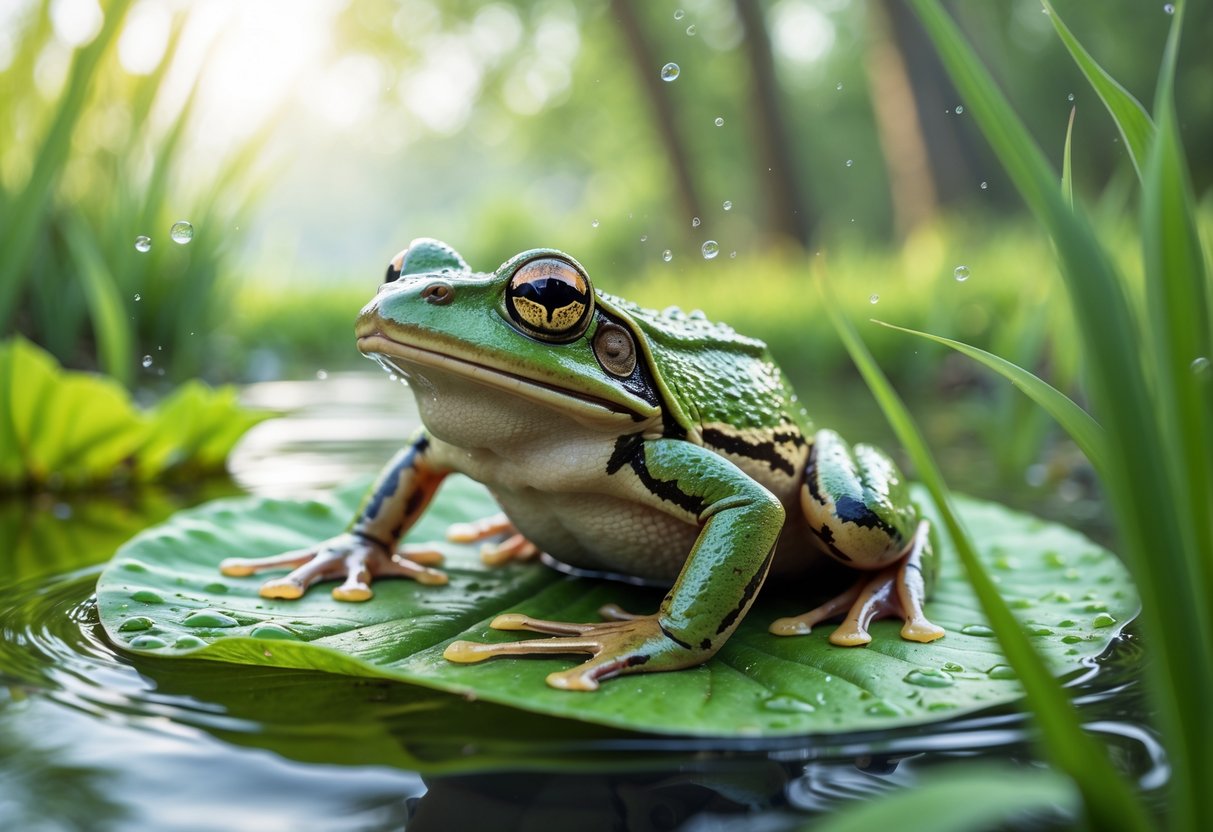
Ranavirus stands out as one of the biggest threats to amphibians like frogs in the UK. This nasty infection can wipe out tons of frogs during summer and usually hits wild common frogs the hardest.
It spreads quickly among amphibians, but humans and pets don’t really need to worry about catching it. When you know how these diseases work, it becomes clear why protecting frog habitats matters so much.
Amphibians play a huge role in the environment, eating bugs and keeping things in balance. If you know what risks they face, especially from diseases in the UK, you start to see why we need to look out for them.
Maybe you’re curious about how frog diseases spread or want to help out. If so, keep reading. For more on ranavirus and amphibian health, check out this Ranavirus Disease article.
Diseases Carried by UK Frogs
UK frogs can carry a handful of serious diseases. Some only mess with frogs, but others can shake up whole pond ecosystems.
These illnesses often show up with obvious symptoms. Sometimes, they cause mass deaths in local frog populations.
Ranavirus Infections in Common Frogs
Ranavirus is everywhere and it’s brutal for the common frog (Rana temporaria) in the UK. It can kill frogs suddenly, usually in warm summer months when adults gather at ponds.
Watch for signs like tiredness, red skin, ulcers, bleeding from the mouth or rear, and damaged limbs. Sometimes you’ll find lots of dead or dying frogs at once, looking thin and weak.
No one has found a cure for ranavirus yet. Some frog populations bounce back as a few tough frogs develop resistance.
Don’t move frogs, pond plants, or water between places, since that spreads the virus. If you want details or need to report an outbreak, the Garden Wildlife Health Project has more info.
Chytridiomycosis and Its Effects
Chytridiomycosis is a fungal disease that can infect amphibians, including frogs. A fungus attacks their skin, which frogs need for breathing and staying hydrated.
Infected frogs might show skin peeling, odd colors, or act strange—like barely moving or spending too much time in water. This disease has hammered amphibians worldwide, but UK frogs don’t seem to get it as much as ranavirus.
You might not spot chytridiomycosis right away since symptoms can be subtle. Still, cleaning your pond gear and not moving animals between ponds helps keep it under control.
Red-Leg Syndrome and Related Bacterial Threats
Red-Leg Syndrome is a nasty bacterial infection that makes frogs really sick, showing up as red patches on their legs and bellies. Bacteria like Aeromonas hydrophila cause it, and it sometimes leads to septicemia, where the infection spreads through the frog’s bloodstream.
Look for swollen legs, red skin, sores, and frogs that seem weak or are dying. This disease sometimes shows up with other infections, so figuring out what’s wrong isn’t always simple.
If you spot frogs with these symptoms, don’t touch them or move pond water or animals. Keeping ponds clean and balanced helps cut down on bacteria, but there’s no easy fix for wild frogs.
Emerging Threats and Environmental Influences
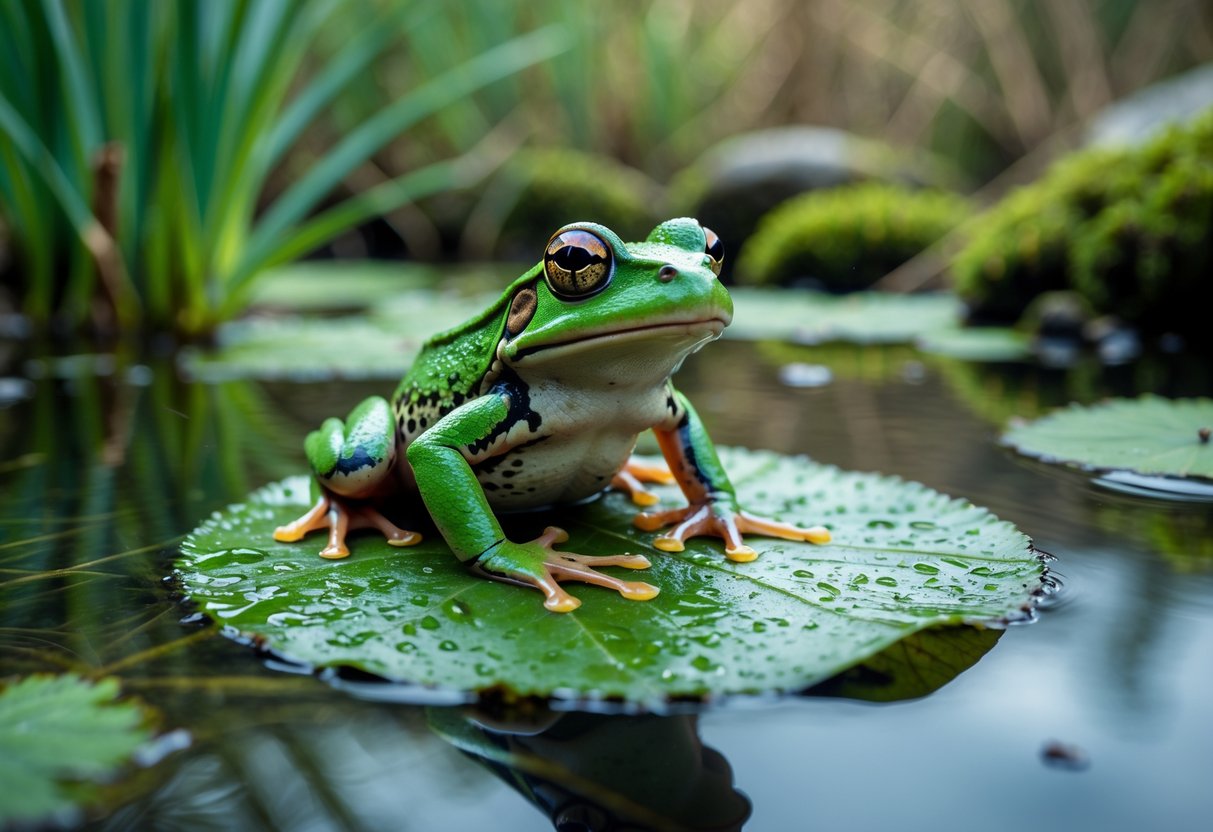
Frogs in the UK face more threats now, thanks to environmental changes. Warmer temperatures and new diseases make surviving tougher for them.
These challenges can increase how often diseases spread and how badly they hit frog populations.
Climate Change and Disease Outbreaks
Even small changes in temperature can mess with frogs more than you might think. Research from UCL shows that when the weather hits about 16°C, Ranavirus spreads fast among common frogs.
This disease sparks deadly outbreaks, especially in the hottest months. As climate change pushes up average temperatures, outbreaks could stick around longer and pop up in more places across the UK.
Disease events might even start earlier in the year, putting tadpoles at risk in spring. If you want to help, keeping ponds cool and shaded can slow down the virus and give frogs a fighting chance.
Impact of Emerging Wildlife Disease on UK Amphibians
Ranavirus has become a major threat for UK amphibians, especially common frogs. This disease can wipe out big groups of frogs quickly, slashing their numbers and making it harder for them to survive.
Other diseases also put pressure on frogs, making things worse. Habitat changes and pollution can weaken them, so they’re more likely to get sick.
If these problems keep piling up, it’s not looking great for frogs in the UK.
The Role of Research and Conservation Efforts
Researchers at UCL and the Zoological Society of London have been digging into how climate and disease link up. Studies in Global Change Biology have really helped us get a clearer picture.
With this knowledge, scientists can actually come up with better ways to protect frogs. Conservation teams recommend adding shady spots and deeper ponds, or tossing in a few log piles where frogs live.
These tweaks cool things down a bit and lower the risk of disease. Some researchers are even floating ideas like frog vaccines, especially since climate change keeps making things tougher for them.
If you want to dive deeper, check out the research on climate change responsible for severe infectious disease in UK frogs.


