
Noticed frogs or toads hanging out in your garden? You’re definitely not the only one. These little amphibians tend to pop up even if you don’t have a pond nearby.
Frogs and toads usually show up looking for food, shelter, or water. Sometimes, they’re just passing through—your garden’s a part of their wild habitat, after all.
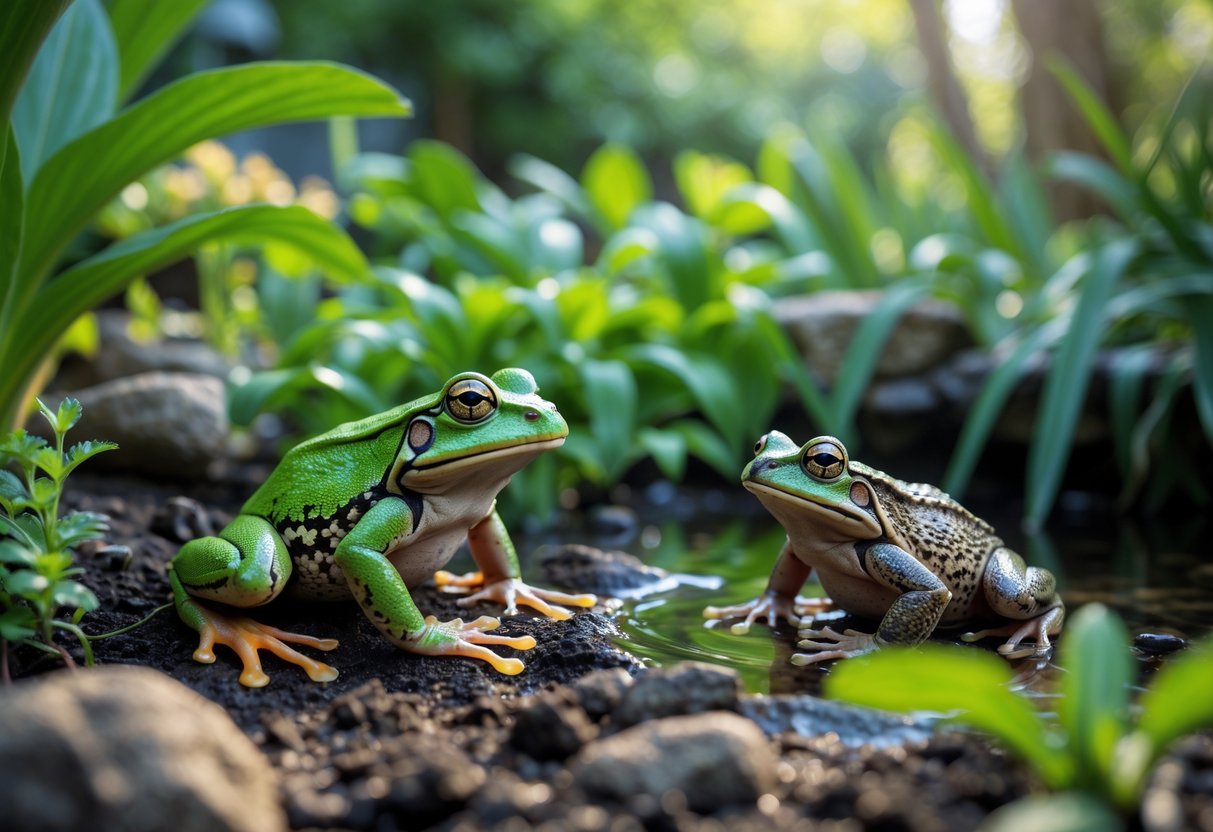
You’ll probably see frogs hunting bugs or toads tucked under leaves and rocks. They actually don’t need to sit right next to a pond to survive, though water nearby definitely helps.
Gardens offer a pretty good home for these creatures and, bonus, they help keep pests in check.
Spotting frogs or toads means your garden plays a role in a small but important ecosystem. Curious why they show up and what draws them in? Understanding their habits can help you appreciate these helpful little neighbors.
Want to dig deeper into why frogs might appear even if you don’t have a pond? Here’s a handy guide on toads and frogs in gardens.
How to Tell Frogs and Toads Apart in Your Garden
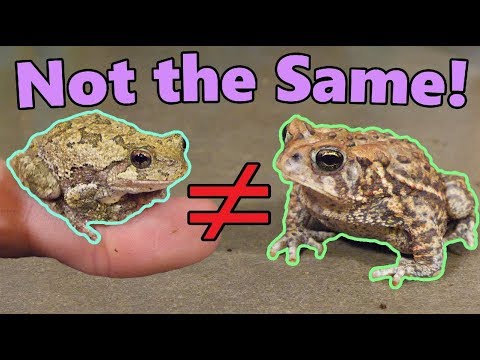
You can figure out if you’ve got frogs or toads by checking out their skin, legs, and how they act. Knowing which species you spot helps you get a better sense of what they’re up to.
Even tadpoles and young ones have differences you can notice.
Physical Differences Between Frogs and Toads
Frogs usually have smooth, shiny skin that looks wet or even a little slimy. Their skin color can be green, brown, or sometimes pretty bright.
Toads, though, come with dry, bumpy, or warty skin that helps them hide in dry spots.
Frog legs? Long and built for jumping. Toads have shorter, stockier legs and prefer to crawl or take small hops.
Their eyes aren’t the same, either—frogs often have round pupils, while toads might have golden eyes with a horizontal slit.
You’ll often find frogs near water since they need to keep their skin moist. Toads can handle being farther from water and spend more time on land.
Common Garden Species You Might See
In lots of gardens, you’ll spot common frogs or common toads. Common frogs show up in green or brown, have smooth skin, and a dark patch behind their eyes.
They usually leap away pretty fast if you get too close.
Common toads come with rough, warty skin and golden eyes. They crawl instead of jumping and have two big bumps behind their eyes—those are called parotoid glands.
Toads like damp gardens but don’t need water as much as frogs do.
If you’re in North America, you might see the American toad, which is pretty similar. Sometimes tree frogs or leopard frogs show up if you live near woods or ponds.
Tree frogs are small and have sticky feet, while leopard frogs have spots and smooth skin.
Identifying Tadpoles and Young Amphibians
Frog and toad tadpoles aren’t hard to tell apart. Frog tadpoles usually swim in big groups and have smooth bodies with long tails.
They stick to the water and munch on algae.
Toad tadpoles are darker, hang out near the pond’s edge, and form smaller groups. They have rounder bodies and shorter tails.
Young frogs have long, strong legs and smooth skin. Young toads feel rougher and have shorter legs.
Watch how they move—young frogs jump, young toads crawl.
If you pay attention to these clues, you’ll get a good idea of which amphibians are visiting your garden this season.
Want more details? Check out Frogs & toads identification.
Creating a Welcoming Garden for Frogs and Toads
If you want to make your garden a comfy spot for frogs and toads, try adding things they like—food, water, and shelter. Native plants and skipping harsh chemicals make the space safer for them.
Add natural hiding places and keep the garden a little wild, so insects and other critters they eat can thrive too.
Garden Features That Attract Amphibians
Frogs and toads really go for gardens with layers of plants. Plant native ferns, shrubs, and ground cover to give them places to hide and hunt insects like beetles, flies, and grasshoppers.
Mix in moist garden beds, compost piles, and leaf litter for extra shelter and to attract their favorite snacks.
Native plants pull in local insects, which means more food for your amphibian visitors.
Ditch herbicides and synthetic fertilizers—they can mess with water quality and harm the bugs frogs and toads eat. Go for organic gardening methods to keep things safe.
Providing Shelter: Brush Piles, Leaf Litter, and Toad Houses
Frogs and toads need shady, cool spots to relax during the day. You can make these by piling up brush or leaving leaf litter in a quiet part of your yard.
These natural shelters keep things damp and help protect them from predators.
Try setting up a small toad house near these piles. It gives toads a place to hide, especially when it’s hot or dry.
You can buy one or just turn a clay pot or some wood on its side for a simple shelter.
These hideouts also attract insects like slugs and cutworms—food for toads. Leaving some areas a bit messy actually helps both amphibians and the bugs they eat.
Building and Maintaining a Garden Pond
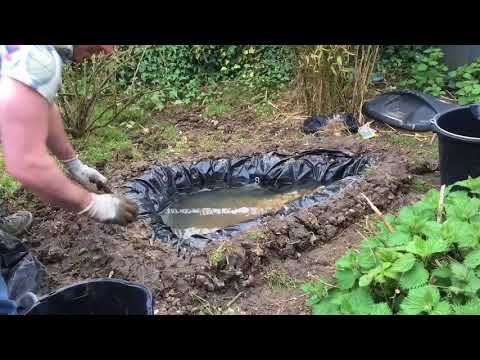
A shallow garden pond is probably the best way to draw in frogs and toads. Most need water to breed, so a clean, chemical-free pond lets them thrive and lay eggs.
Give your pond gently sloped edges or ramps made from rocks or boards. Toads aren’t great swimmers, so they need an easy way in and out.
Surround the pond with native aquatic plants for cover. Skip adding fish; they’ll eat frog eggs and tadpoles.
Let tap water sit before using it or add a dechlorinator to keep things safe. Let a bit of algae grow for tadpoles to eat, and don’t scrub the pond too clean—leave some natural stuff in there.
Supporting Natural Pest Control with Organic Practices
Frogs and toads do an amazing job as natural pest controllers. They gobble up insects like beetles, grasshoppers, and cutworms—basically, all those bugs that wreck your plants.
If you want to attract more of these helpful amphibians, ditch the pesticides and herbicides. Those chemicals can hurt frogs directly or mess with their food supply.
Try going organic instead. Composting adds nutrients to your soil, and planting native species draws in good insects.
When you encourage a mix of insects, you boost biodiversity. That keeps your garden healthier and more balanced, honestly.
Letting nature handle pest control just makes sense. You’ll end up with a safer, friendlier spot for frogs, toads, and all sorts of little critters.
Want more ideas? Check out Create a Frog-Friendly Garden with These 4 Expert-Approved Tips for detailed advice.


