
So, you just found a frog hanging out in your garden. Honestly, in most cases, you don’t need to do anything. Frogs are usually fine right where they are, unless they’re in immediate danger. They help out by munching on pests and just add a bit of charm to your outdoor space.
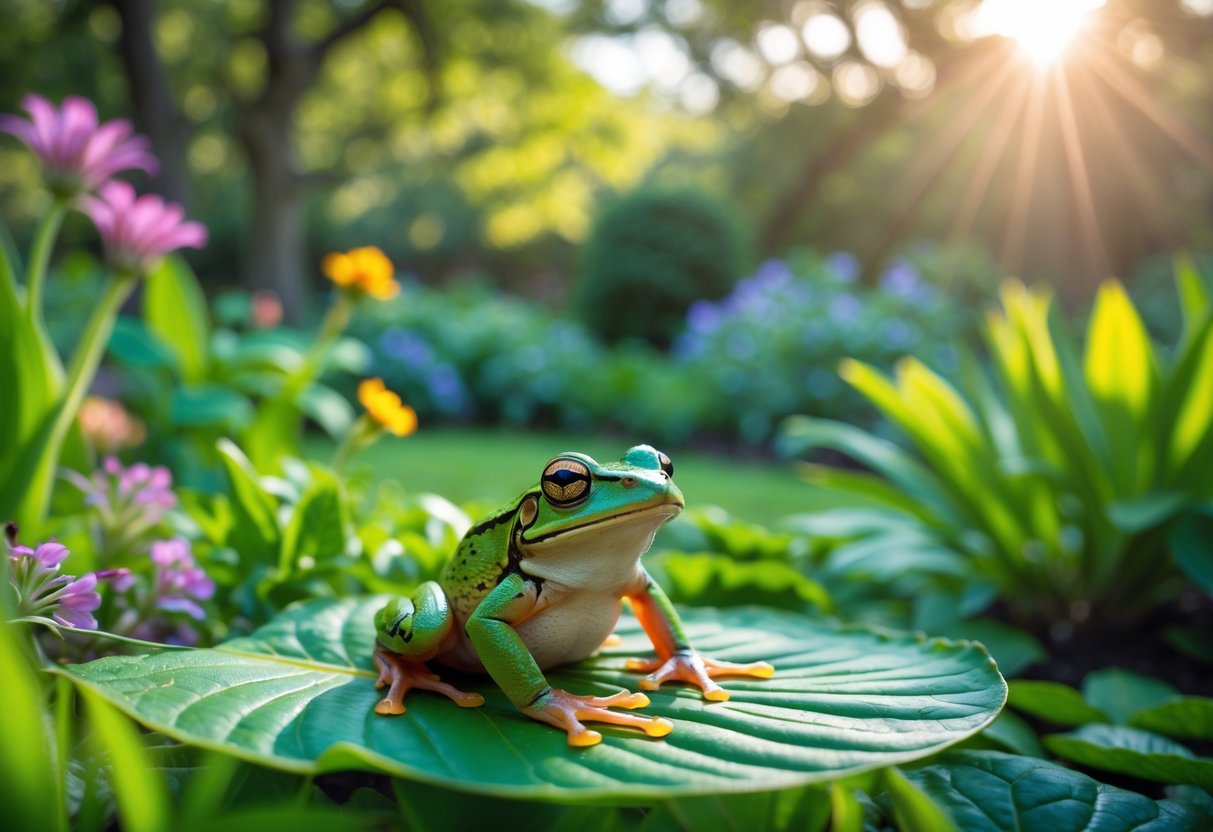
You might wonder if that frog needs extra water or some special care. Most frogs spend plenty of time on land, so they don’t always need a pond nearby.
If you want to help, you could make cozy spots—like a compost heap or a leafy corner. That gives them shelter and a good home.
Your garden can turn into a perfect spot for frogs if you just let things be. Whether you want them to stick around or you’re just curious, knowing what to do when you see a frog helps you look out for these little visitors.
For more tips, check out what to do if you find a frog in your garden.
What to Do Immediately When You Find a Frog
When you see a frog in your garden, try to be careful. You want to protect both the frog and everyone at home.
Knowing how to handle the frog, spot different species, and notice risks for pets or kids helps you make better choices.
Safe Handling Tips for Frogs
If you have to handle a frog, be gentle and quick about it. Frogs have sensitive skin—they can absorb oils or chemicals from your hands.
Wash your hands first with just water—skip the soap or lotion. That way, you lower the chance of hurting the frog.
Cup the frog with both hands, but don’t squeeze. If you can, wear damp gloves to keep its skin safe and protect yourself too.
After you’ve handled a frog, wash your hands well. Some frogs can carry toxins.
If the frog’s in a risky spot, like near a road or where pets play, move it to a cool, shady area—maybe under some plants or near a pond. That gives it a safe place to hide.
Identifying Frog and Toad Species
Different frogs need different care, so it helps to know what you’re looking at. American bullfrogs are bigger and have smooth, green skin.
Tree frogs, like Cuban tree frogs, are smaller and often climb. Toads, such as cane toads, look chunkier with bumpy, brown skin.
Some quick clues:
- Skin texture: Frogs have smooth skin, toads are bumpy
- Leg length: Frogs have longer back legs for jumping
- Eggs: Frogs lay jelly-like clusters, toads lay eggs in chains
If you can ID the frog or toad, you’ll know how to help and follow local wildlife rules.
Assessing Potential Risks to Pets and Children
Certain frogs and toads—like cane toads or Cuban tree frogs—produce toxins that can hurt pets or kids. If you’ve got dogs or cats, keep them away from the frog.
Don’t let kids handle frogs without an adult around.
Check how the frog’s doing, too. Frogs are great for pest control, but they can carry germs.
Don’t touch your face after handling a frog, and wash your hands soon after.
If you think the frog is poisonous or your pet had contact, call a vet or wildlife expert right away. Keeping everyone safe matters just as much as helping the frog.
For more info on handling garden frogs and toads, see this guide on what to do if you find a frog in your garden.
Managing and Preventing Frogs in Your Garden
You can take a few simple steps to make your garden less inviting to frogs—without hurting them. It helps to know what brings frogs in, so you can change those things and use safe ways to keep them away.
Managing water and shelter in your yard makes a big difference.
Why Frogs Are Attracted to Gardens
Frogs show up because they need moisture, food, and places to hide. Standing water—like puddles, ponds, or birdbaths—makes great breeding spots.
A garden full of insects gives frogs an easy meal.
Dense plants, leaf piles, and shady corners let frogs feel safe. If your soil stays damp or you have thick vegetation, frogs will probably stick around.
Once you know what attracts them, you can tweak your garden to make it less appealing.
How to Repel Frogs Without Harm
You can keep frogs away with gentle, safe methods.
Try sprays with essential oils like peppermint or lavender. Frogs don’t like those smells, so spraying them around your garden might help.
Wind chimes or ultrasonic devices can make noises frogs avoid.
A low fence—about 12 inches high and buried a few inches deep—can stop frogs from hopping in.
These ideas let you keep frogs out without hurting them or your garden.
Removing Attractants and Water Sources
If you want to get rid of frogs, start by taking away what they love most—water and places to hide.
Fill in holes or low spots where rainwater tends to collect.
Try changing up your birdbaths or water features so water drains quickly or keeps moving. Don’t leave plant saucers or buckets sitting around full of water.
Clear out leaf litter, dead plants, and thick brush. That way, frogs lose their favorite hiding spots.
These small changes can make your garden a lot less inviting for frogs.
If you’re curious, you can learn more about safe ways to reduce frogs at 5 Effective Methods to Keep Frogs Away from Your Yard.


