
Ever watched a frog casually wipe its face and wondered, “What’s up with that?” It might look odd, or just like a quirky frog habit, but there’s actually a good reason for it.
Frogs wipe their faces to spread natural oils and keep their skin moist. This helps them avoid drying out, which is honestly pretty crucial for a frog.
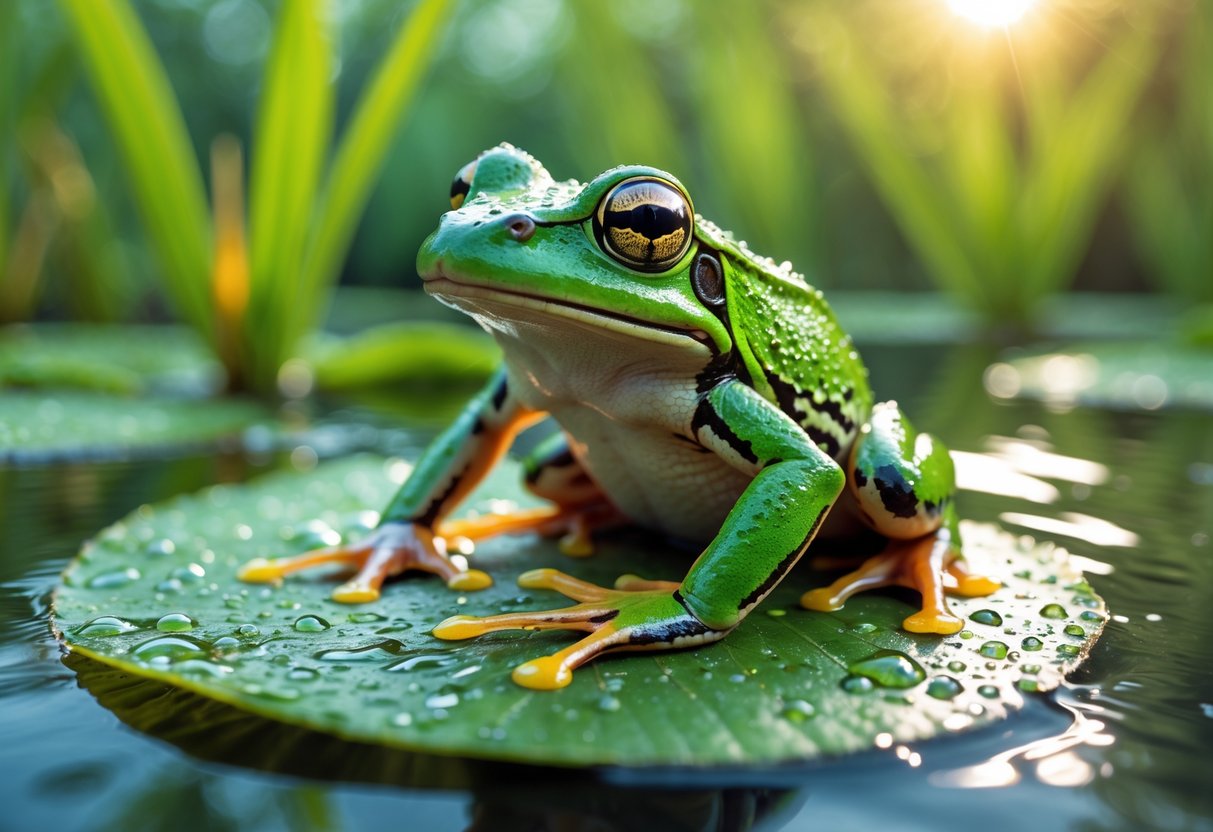
Your frog’s skin does more than just cover its body—it helps with breathing and soaking up water. When frogs wipe their faces, they help reduce water loss from their skin, especially when they’re hanging out on land.
That simple little swipe actually keeps them healthy and lets them move between water and dry spots without trouble.
If you’re curious about why frogs do this and how it helps them survive, stick around. There’s more to this face-wiping habit than you might think.
Why Do Frogs Wipe Their Faces?
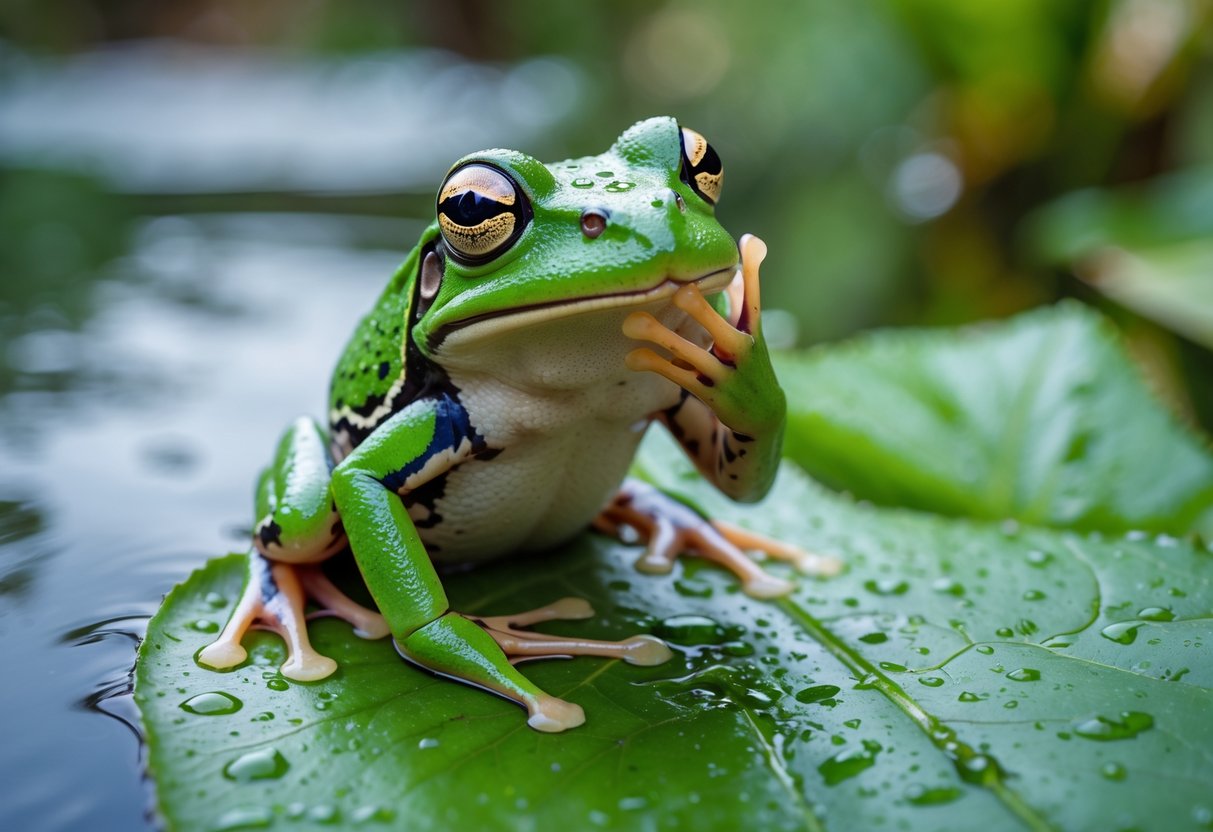
Frogs rely on their skin for breathing and staying healthy. Since their skin has to be moist and clean, they often wipe their faces to keep things working right.
This action helps with shedding old skin, eating the shed skin for a snack, and just keeping their skin in good shape.
Shedding Process and Face Wiping
Frogs shed their skin regularly. Old skin can harden and make it tough for them to breathe.
Because they breathe through that thin, moist skin, wiping helps peel off dead skin from their face and body.
When a frog wipes its face, it spreads natural oils and secretions to keep the skin soft. That keeps the fresh skin underneath healthy and moist.
If they didn’t wipe, their skin might dry out or get damaged, making it harder to breathe.
Nutritional Benefits of Eating Shed Skin
After shedding, frogs often eat the old skin. Sounds weird, but that shed layer is full of nutrients.
By eating their old skin, frogs get extra protein and minerals to help them grow.
Wiping their face and body helps gather the shed skin where they can easily eat it. This way, they save energy and don’t have to hunt for food as much.
It’s a clever way to recycle their own resources.
Hygiene and Skin Maintenance
Frogs live in damp places where dirt and bacteria love to stick to their skin. Keeping their face clean helps them avoid infections.
Wiping spreads mucus over their skin, which acts like a shield against drying out and germs.
By wiping, frogs also get rid of small parasites and dirt that could block their skin’s pores. That cleaning keeps their skin working well, which is super important since they breathe, drink, and protect themselves through it.
You can check out more about why frogs wipe their faces and shed their skin at uaetrip.ae.
The Importance of Skin Health in Frogs

Your frog’s skin isn’t just a simple covering—it’s a big deal for how they live and stay safe. Moisture, protection, and the differences between frog and toad skin all matter.
These things work together to keep your frog healthy and active.
Moisture Retention and Hydration
Frog skin absolutely has to stay moist because it helps them breathe. Unlike us, frogs can pull in oxygen right through their skin.
If their skin dries out, they can’t get the oxygen they need, and that’s dangerous.
Frog skin also soaks up water, keeping them hydrated. They don’t drink like we do—they just absorb water through their skin, especially on their bellies.
To keep their skin moist, frogs usually hang out near water or damp spots.
Moist skin helps them control body temperature too. When their skin dries out, they can get too hot or cold, and that’s not good.
Protection From Predators
Frog skin isn’t just about moisture; it’s also a line of defense. Many frogs have special glands that release stuff that tastes nasty or is even toxic to predators.
That keeps a lot of hungry animals away.
The slimy coating on their skin makes them slippery, so predators have a tough time grabbing them. It’s another reason they need to keep their skin moist.
Some frogs have skin colors that help them hide, or warn predators they’re poisonous. Bright colors can say, “Don’t eat me!” while patterns help them blend in.
Your frog’s skin really is a mix of armor and camouflage.
Differences Between Frogs and Toads
Frogs and toads might look pretty similar at first glance, but their skin? That’s a whole different story.
Frogs have smooth, moist skin. This helps them stay wet and even lets them breathe right through it.
Toads, on the other hand, show off thicker, drier skin with lots of bumpy glands. Those bumps usually make toxins that keep hungry animals away.
Since toads can’t absorb water as well, they don’t have to hang out near water all the time. That’s a big difference from frogs.
You’ll probably notice frogs wiping their faces more often to keep their skin moist and clean. Toads just count on their tough skin to do the job.
Honestly, once you spot these differences, it gets a lot easier to care for each one the right way.


