
So, you’re thinking about getting a frog? Whether that’s a good idea really depends on what you want from a pet. Frogs can be fascinating and pretty low-maintenance, but let’s be honest—they’re not for everyone, especially if you hope for cuddles or lots of interaction.
You’ll need to give them special care and keep their environment just right if you want them to stay healthy.

If you love watching little creatures do their thing and you’re okay with a pet that doesn’t take up much space, a frog might be rewarding. But here’s the catch—they can carry germs like Salmonella, and some species are poisonous or just tricky to care for.
If you’re up for something different and don’t mind the responsibility, frogs could be a fun pick.
Thinking through the pros and cons will help you figure out if a frog matches your lifestyle and what you want from a pet. Let’s look at what you should consider before bringing one home.
Are Frogs Good Pets for Home?

Frogs bring a totally different vibe to pet ownership than cats or dogs. They need specific care, and their unique traits make them a good fit for some people but not for everyone.
Let’s look at the benefits, challenges, and some popular types. Maybe you’ll find frogs more interesting than you thought.
Benefits of Owning Frogs
Frogs don’t need much compared to dogs or cats. You won’t have to walk them, and cleaning is pretty minimal once you set up their tank.
They fit well in smaller spaces, so if you’re in an apartment, that’s a plus. A small aquarium or terrarium usually does the trick.
Watching frogs can be surprisingly calming. Their colors and movements add something special to your home. Some frogs live for years, so you might have a little companion for quite a while.
Drawbacks and Considerations
Frogs react to changes in their environment. You have to keep an eye on temperature, humidity, and lighting. That means you’ll probably need some equipment and a bit of effort.
Some frogs want live insects for food, which isn’t everyone’s favorite thing to deal with.
Don’t expect a frog to bond with you. They’re solitary and won’t seek out affection. If you’re craving a pet that wants attention, a frog might not be your best bet.
Frogs can carry Salmonella, so you’ll need good hygiene—especially if kids, older folks, or anyone with a weaker immune system is around.
Common Frog Species for Home Settings
Some frogs are just easier to care for, especially if you’re new to this. The White Lipped Tree Frog is pretty chill and looks cool, and the African Dwarf Frog is fully aquatic.
A lot of people like the Pacman Frog because it’s big and kind of lazy. Watching it can be fun, but it does need special care.
Pick captive-bred frogs instead of wild-caught ones. That helps wild populations and usually means your pet will be healthier.
Exotic Appeal and Educational Value
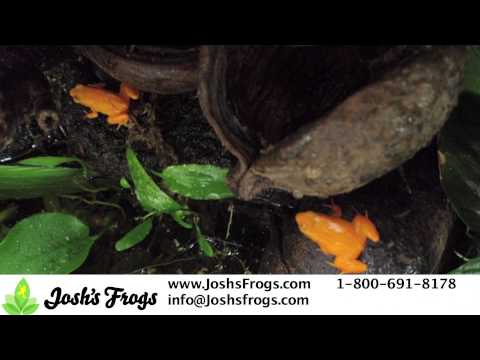
Frogs really stand out because of their wild colors and patterns. Poison dart frogs, for example, look amazing and can make your terrarium a real showpiece.
They give you a way to learn about amphibians and ecosystems. Watching how they eat and live connects you to nature in a hands-on way.
Kids can learn responsibility and empathy from having a frog. It’s a cool way to appreciate animals that aren’t your usual pets.
If you want more details on the ups and downs, check out this article on the benefits of owning frogs.
Choosing and Caring for Pet Frogs
Picking a frog that fits your lifestyle and setting up its home right are the main steps to keeping it healthy. You’ll want to know which frog suits you, how to set up its tank, and what it likes to eat.
Different frogs have different needs, so getting it right from the start matters.
Popular Pet Frog Species
Some frogs are just easier for beginners. White’s tree frogs are calm and get up to about 4 inches. They love to climb, so you’ll need a tall tank.
Pacman frogs stay on the ground and get pretty big. They like a moist, soft substrate.
If you want something smaller and fully aquatic, check out the African dwarf frog or African clawed frog. The red-eyed tree frog looks gorgeous but needs more humidity.
The Amazon milk frog and gray tree frog are arboreal, so they need tall tanks with plants and branches.
Go for captive-bred frogs. They’re usually healthier and you’ll be helping wild populations at the same time.
Essential Habitat Setup: Terrarium and Vivarium
Your frog’s home needs to feel like its natural habitat. Most frogs like it humid, so aim for humidity above 70%. For semi-aquatic frogs like the Vietnamese mossy frog, set up both water and land areas.
If you have arboreal frogs like American green tree frogs or other tree frogs, pick a tall tank and add branches and plants for climbing. For fully aquatic frogs, make sure the tank has clean water and a secure lid.
Use substrates like coconut husk, sphagnum moss, or soil. Skip gravel or rocks—frogs might swallow them.
Keep the temperature steady between 75-85°F during the day. Don’t let it drop below 68°F at night. Add lighting to mimic day and night cycles.
Basic Care, Feeding, and Maintenance
Frogs love live food—think crickets, worms, and sometimes moths. If you’ve got a bigger frog, like an African bullfrog, it might even snack on small mice.
Stick to food that’s right for your frog’s species. Don’t give them human food; it’s just not good for them.
Keep a bowl of fresh, clean water in the tank at all times. Change the water often, and give the tank a good clean every week. That way, you’ll help prevent nasty bacterial or fungal infections.
Try not to handle your frog much. Their skin’s really sensitive, and it’s easy to stress them out.
Keep an eye out for anything unusual—like if your frog’s color changes, it stops eating, or you spot sores. If something feels off, reach out to a vet who knows amphibians.
Every day, make sure you feed your frog, check the humidity and temperature, and clear out any leftover food or waste. It’s a bit of work, but it keeps your frog happy and healthy.
Want to dive deeper? Check out The Spruce Pets for more tips on caring for pet frogs.


