
So, is frog meat actually good for diabetes? Well, yeah—it can be, but there are a few things to consider. Frog legs have very few calories and carbs, and they’re packed with protein, which can help you keep your blood sugar steady.
If you eat frog legs, they won’t spike your blood sugar much, so they fit pretty well into a diabetes-friendly diet.
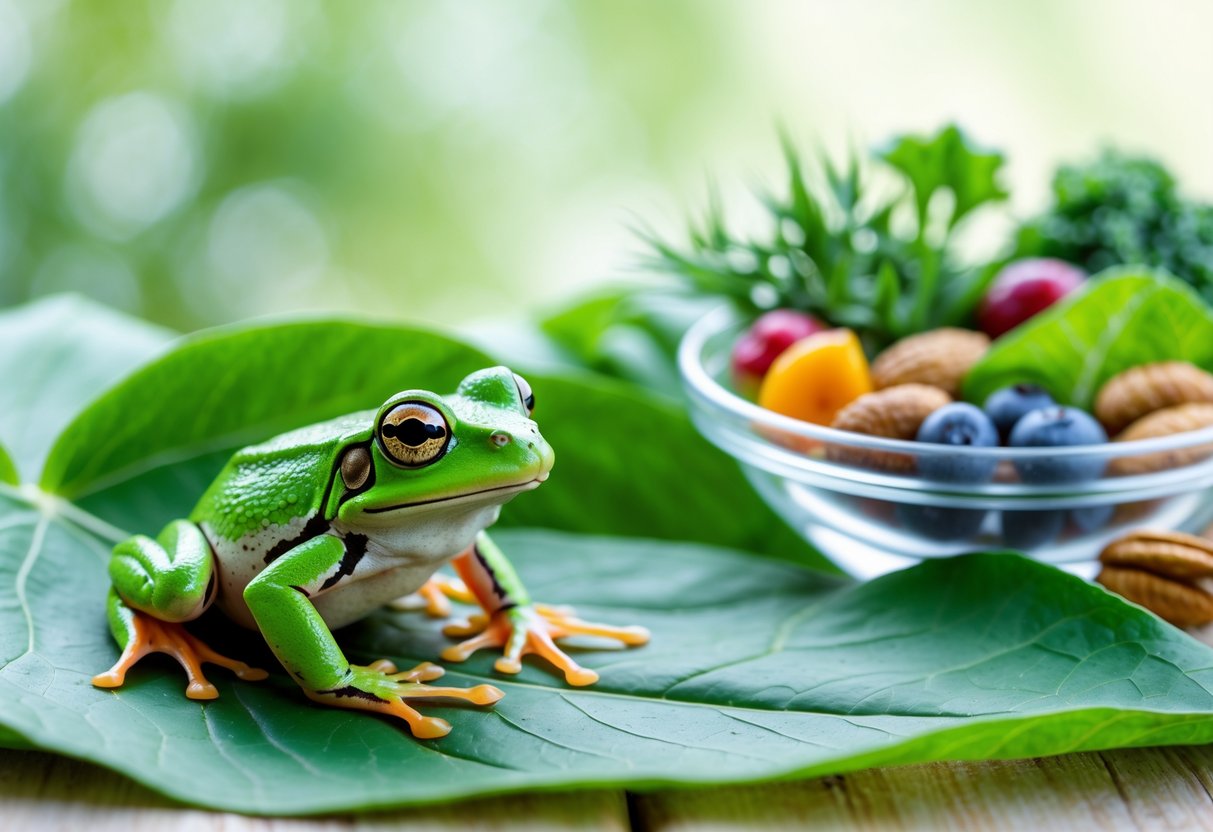
Researchers have started exploring molecules in frog skin that might improve insulin production. That’s kind of fascinating—imagine frogs being part of future diabetes treatments, not just dinner.
Whether you’re thinking about adding frog legs to your meals or just curious about new treatments, it’s worth knowing how frogs might play a role in diabetes management.
How Frog-Derived Molecules Affect Diabetes

Frog skin has these unique peptides that affect how your body handles blood sugar and insulin. These molecules can help your pancreas do its job better and might even work with the diabetes meds you’re already taking.
Impact on Insulin Production and Release
Peptides from frog skin actually make your pancreas pump out more insulin, which lowers your blood sugar. They go straight for the insulin-making cells and get them working, but without causing any damage.
Some studies even show that frog peptides can increase insulin secretion at pretty low doses. That means your body deals with sugar more effectively after you eat, which is great for keeping diabetes in check.
Scientists have looked at peptides like tigerinin-1 for their ability to boost insulin. Insulin, of course, is what moves sugar from your blood into your cells so you can use it for energy.
Influence on Blood Sugar Levels and Glucose Tolerance
Frog peptides help your body handle glucose better. In animal studies, mice on a high-fat diet managed their blood sugar levels more smoothly with these peptides.
If your glucose tolerance improves, your body clears sugar from your blood more quickly after meals. These peptides can also knock down glucagon, a hormone that pushes blood sugar up.
Balancing insulin and glucagon keeps your blood sugar from swinging wildly. That steady control is really important for managing type 2 diabetes.
The Role of Tigerinin-1 and GIP Combination Therapy
Tigerinin-1, a peptide from frog skin, is known for giving insulin production a boost. If you combine it with GIP (glucose-dependent insulinotropic polypeptide) or meds like tirzepatide, insulin release gets even stronger.
Researchers saw a 50% jump in insulin production in diabetic mice when they used both tigerinin-1 and GIP, compared to just tigerinin-1. It even beat out tirzepatide alone by 30%.
So, using tigerinin-1 with incretin-based drugs could mean better blood sugar control, with more insulin when you need it. It’s a promising direction for new diabetes treatments.
Check out more details in the article on tigerinin-1 and combination therapy.
Research, Safety, and Future Potential of Frog-Based Diabetes Treatments

Researchers are taking a close look at frog secretions to see if they can help with type 2 diabetes. They’re figuring out how these natural compounds work, checking for safety, and seeing how they might fit in with current medications or weight loss plans.
Studies Involving the East Asian Bullfrog
The East Asian bullfrog makes a protein called tigerinin-1r that looks promising for type 2 diabetes. This protein boosts your insulin and lowers glucagon, which normally raises blood sugar.
Early studies in mice showed better blood sugar control when they used tigerinin-1r. That means your body uses sugar more efficiently, and your blood sugar stays more balanced.
Researchers have combined this frog protein with other diabetes drugs, making insulin release even stronger. It’s early days, and most of this research is still just in animals, so keep that in mind.
University of Wolverhampton Research Findings
Scientists at the University of Wolverhampton have dug deep into frog peptides for type 2 diabetes. Their work showed tigerinin-1r can really increase insulin secretion.
When they paired it with tirzepatide, insulin shot up even more—up to 50% higher than tigerinin-1r alone. This combo also improved glucose tolerance better than some existing meds.
Their findings suggest frog molecules could give current diabetes drugs a boost. They’re looking at how these peptides might offer new options with even better results for patients.
Comparison with Existing Anti-Diabetic Medications
Some diabetes drugs you might know, like dulaglutide (Trulicity) and semaglutide (Ozempic), actually come from animal venoms and secretions, just like these frog peptides. Tigerinin-1r works on a similar principle by stimulating insulin and helping control blood sugar.
Unlike some meds that only focus on one hormone, frog peptides seem to boost insulin and cut down glucagon at the same time. That double action could mean better control for you.
Testing for frog peptides is still in its early stages, so don’t swap out your meds just yet. But researchers are hopeful these peptides could work alongside or even enhance the drugs you’re already taking.
Potential Role in Weight Loss Strategies
Weight loss matters a lot when you’re trying to manage type 2 diabetes.
Frog peptides mainly work on insulin and glucose, but they might also help with weight loss in a roundabout way.
If your insulin stays balanced, your body can use sugar for energy more easily. Pair that with other treatments or some lifestyle changes, and you could see less excess fat.
Researchers haven’t really looked at frog peptides for direct weight loss just yet.
Still, if future studies prove they can improve blood sugar control safely and effectively, maybe they’ll fit into bigger plans—like combining them with diet and exercise to help manage both your weight and diabetes.
For more on the East Asian bullfrog’s role in treatment, check out this University of Wolverhampton research.


