
Figuring out if your frog is happy can be a bit of a puzzle. Frogs don’t really show emotions the way we do.
A happy frog usually swims around, has clear, bright eyes, smooth skin, and eats well. These signs make it easier to check on your frog’s mood without having to guess too much.
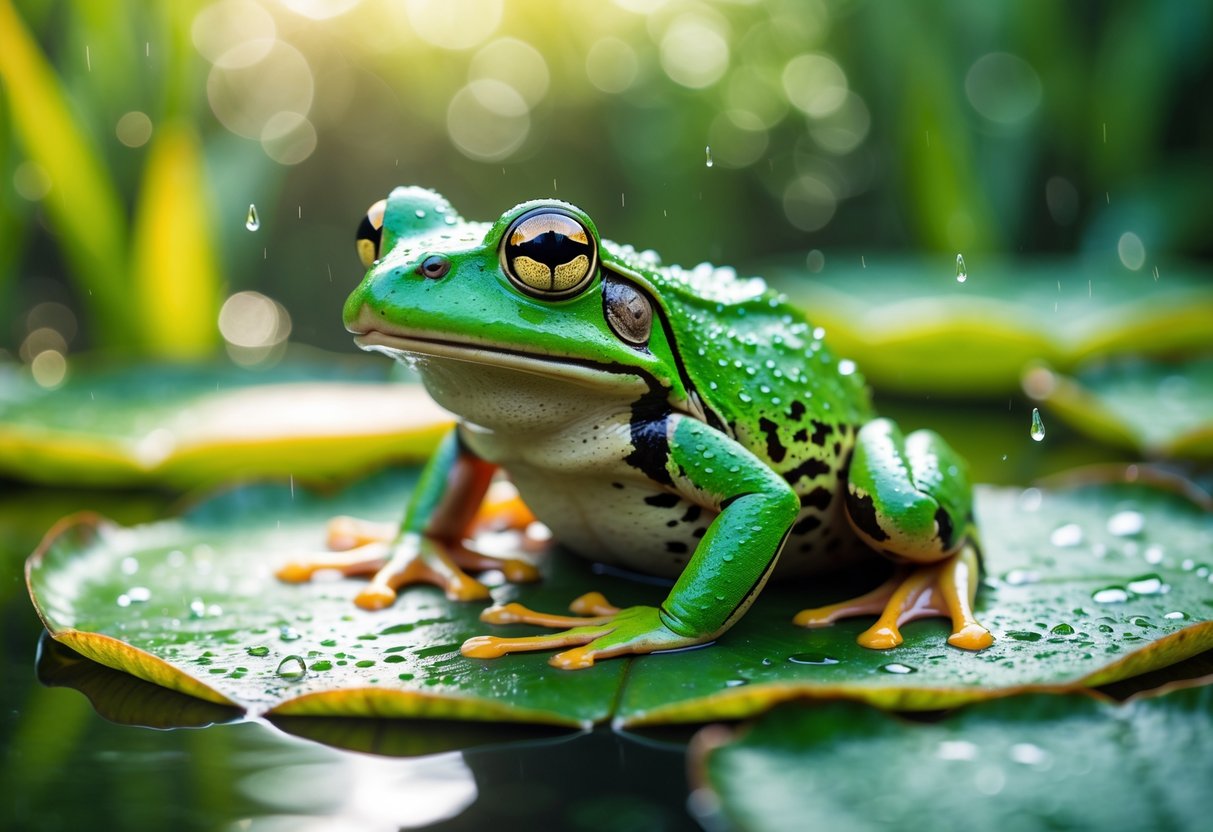
You might spot your frog coming up for air, tucking itself into a favorite hiding spot, or making gentle humming sounds. If you watch closely, you’ll pick up on these little habits that show your frog feels safe and cozy.
When you take care of their space—giving them enough room, fresh water, and the right temperature—it really boosts their mood. It’s honestly more fun and satisfying when you know what to look for.
Can Frogs Feel Happy? Understanding Frog Emotions

Frogs react to their surroundings, even if they don’t show feelings like we do. Their comfort and safety shape how they feel.
You can get a sense of their emotions by paying attention to how their brains and bodies process things.
Emotion and Sentience in Amphibians
Amphibians, frogs included, experience sentience. That means they can feel basic things like fear, stress, and sometimes happiness.
Their emotions show up in how they react to stuff—like finding food or hiding from danger. Frogs don’t have complicated brains like humans, so their feelings are simpler, but they’re still there.
Think of their emotions as signals that help them survive. When they feel safe, you’ll see more signs that they’re content.
This sentience reminds us frogs aren’t just little robots—they really do have their own emotional lives.
How Frogs Process Feelings
Frogs rely on their nervous systems to process feelings. If they sense danger or comfort, their brains send out signals that trigger responses.
A quiet, safe tank with enough food helps them feel calm—honestly, that’s about as close as they get to happiness.
You might notice your frog eating more or moving around when it feels good. Some frogs even recognize you if you’re the one feeding them all the time.
Their emotions come from instincts and simple choices, like avoiding pain or finding a comfy spot.
Differences Between Frog and Human Emotions
Frog feelings really aren’t as deep or complicated as ours. You won’t catch a frog feeling heartbreak or missing someone.
They don’t have a neocortex, so deep emotions or self-reflection are out of the question.
Frog emotions focus on survival. They get stressed when they’re in danger and chill out when they feel safe.
They don’t form strong bonds or families like mammals, so their happiness just comes from meeting basic needs—food, shelter, and safety.
If you get this, you’ll know how to set up their tank so they actually feel secure.
If you want to dig deeper, check out this frog happiness guide for more about how their nervous system works.
How to Tell If a Frog Is Happy: Observable Signs and Care Tips

You can spot a lot about your frog’s mood just by watching how it acts and checking its tank.
If you know what to look for, you can keep your frog calm and healthy. Good care mostly means lowering stress and paying attention to how your frog responds to its world.
Physical Behaviors That Show Contentment
When frogs feel good, they move around and eat regularly. You might see your frog swimming or poking around its tank, which is a great sign.
A calm frog usually has bright, clear eyes and smooth, healthy-looking skin. Aquatic frogs will hang out near the bottom but come up for air now and then.
If your frog eats eagerly and doesn’t hesitate to take food, it’s probably in a good mood. Some frogs even make gentle noises or act curious, which is always fun to see.
Importance of a Safe and Stress-Free Environment
Your frog’s home really affects how happy it feels. A clean tank and water at the right temperature keep your frog active.
Give your frog plenty of hiding spots so it can rest and feel safe during the day.
Don’t use strong water currents—frogs aren’t built for that. They need enough space to swim and places to hide so they can relax.
If you keep the light cycle consistent, your frog will know when to be up and when to rest. Try to keep things quiet and avoid sudden noise or movements.
What Causes Stress in Frogs
Lots of things in the tank can stress frogs out. Dirty water or the wrong temperature can quickly make them uncomfortable.
If the tank is too crowded or too small, frogs get annoyed and anxious.
Loud noises, too much handling, or super bright lights can also make things worse.
Stress weakens their immune system, so they become less active and might even get sick.
If your frog just sits around, stops eating, or its eyes look dull, it’s probably stressed. Adjusting the tank and leaving your frog alone more often can make a big difference.
Do Frogs Like to Be Held?
Most frogs really don’t like being held. Their skin’s super sensitive and easily soaks up whatever’s on your hands—even stuff that’s harmless to us can mess with them. Plus, getting picked up usually freaks them out and stresses them.
If you have to move your frog, pick it up gently and only if you absolutely need to. Instead of holding, maybe try feeding it by hand or just tapping the tank softly to get its attention.
You can even teach your frog to respond to simple signals or routines. It’s a fun way to connect without stressing the little guy out.
For more details on frog care and stress, check out how to know if your frog is happy.


