
Ever wondered if people actually eat toads, or if it’s just frogs on the menu? You’re definitely not alone. Frogs and toads look pretty similar, so it’s easy to mix them up. But when it comes to eating, there’s a big difference. People usually eat frogs, not toads, because toads can be poisonous and just aren’t safe or tasty to eat.
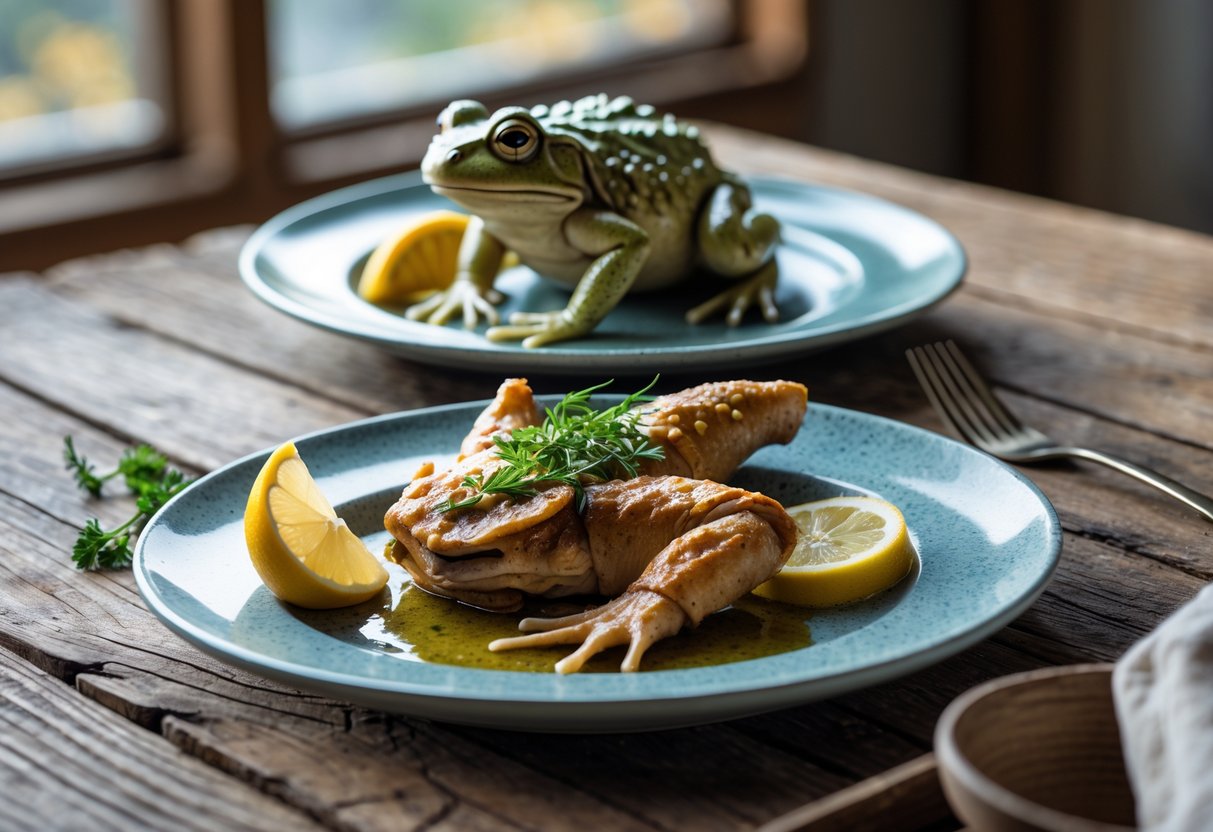
Lots of cultures eat frogs. France is famous for it, and you’ll see frog legs on menus in parts of Asia too. Folks catch frogs mostly for their legs, which some call a delicacy.
Toads, on the other hand, have toxins in their skin that can make you really sick. People just don’t eat them.
If you’re curious why frogs ended up as food and toads didn’t, or what actually sets them apart in the kitchen, let’s dig into how these amphibians fit into our diets. It’s not just about taste—it’s about safety, too.
Do We Eat Frogs or Toads: Understanding the Differences
If you’re thinking about eating frogs or toads, you should know their main traits and why people eat one but not the other. Some species show up in recipes, while others are totally off-limits. Toad toxins make a big difference in what’s safe to eat.
Frogs and Toads: Key Physical and Behavioral Distinctions
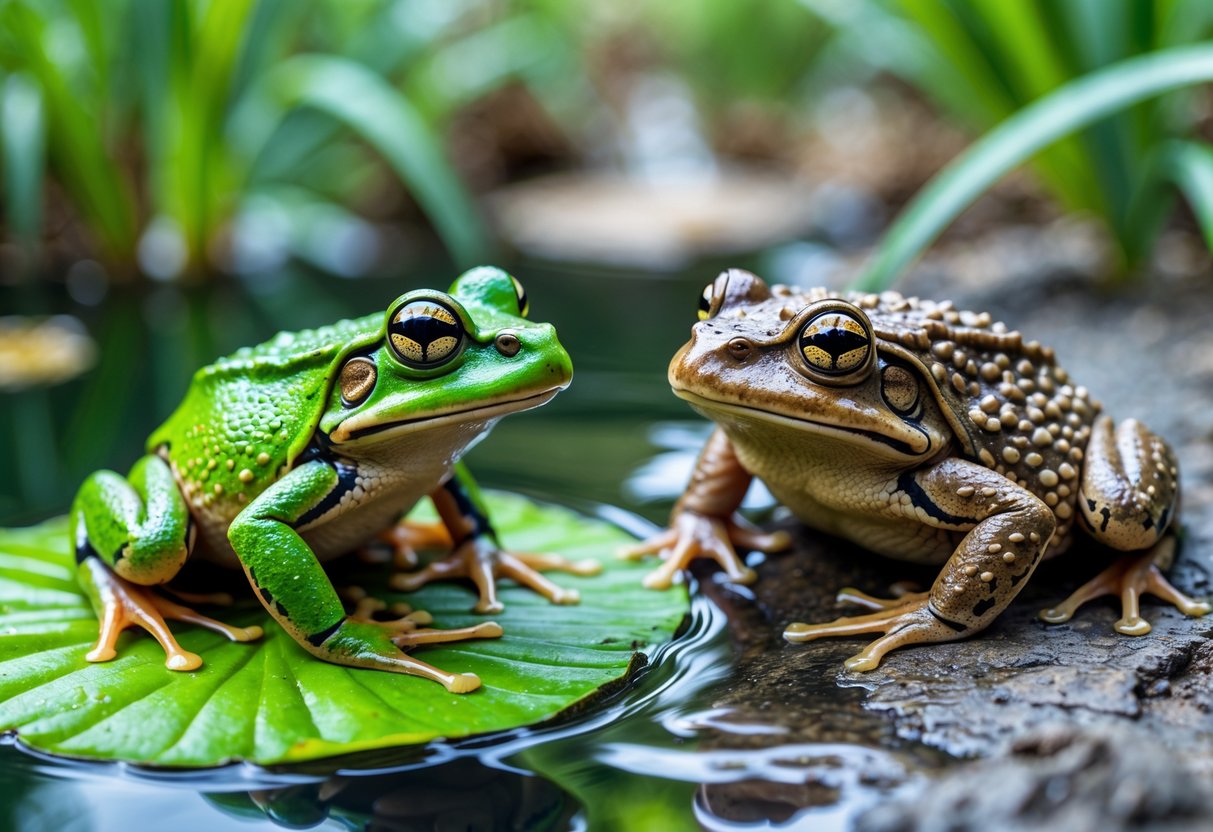
Frogs have smooth, moist skin and long legs. They’re slim, live near water, and can jump and swim really well.
Toads, part of the Bufonidae family, have warty, dry skin and shorter, thicker legs. You’ll find them mostly on land, and they tend to walk or make short hops instead of big jumps.
Differences at a glance:
| Feature | Frogs | Toads |
|---|---|---|
| Skin | Smooth & moist | Warty & dry |
| Legs | Long & thin | Short & stout |
| Movement | Jump & swim well | Walk & hop slowly |
| Habitat | Often near water | More terrestrial |
You can spot toads by their rough, bumpy skin and stocky build. Frogs are often more colorful and stick close to water.
Taxonomy and Classifications: Frogs vs True Toads
Both frogs and toads fall under the order Anura—that just means “tail-less amphibians.” The word “toad” usually refers to the Bufonidae family. True toads include the American toad and cane toad.
Frogs come from a bunch of different families, so not all “frogs” are close relatives. The American bullfrog is a true frog, even though it’s huge, while the cane toad is a true toad.
Knowing these groups helps explain why frogs and toads look and act differently. The word “toad” is more about how they look than anything super scientific.
Cultural and Culinary Contexts: Are Frogs or Toads Consumed?
Most cultures stick to eating frogs, not toads. Frog legs are a favorite in many countries because the meat is tender and mild. The edible frog is famous in European and Asian dishes.
People rarely eat toads. Their skin is bumpy, and the toxins make them dangerous. Some folks avoid toads because of the risk, and honestly, the taste isn’t supposed to be great either.
Eating frogs often connects to tradition and what’s available locally. You’ll spot frog legs in restaurants or markets, but toads? Not really.
Toxicity in Toads: Bufotoxin and Food Safety
Many toads make a chemical called bufotoxin in their skin glands. If you eat it, it can be harmful or even deadly. The cane toad and oak toad are known for their toxic skin.
These toxins help toads avoid predators, but they make them a bad choice for dinner. Eating a toad without removing the toxins can make you sick.
If you’re thinking about trying amphibians, just avoid toads. Stick with edible frog species—most don’t have strong skin toxins, so they’re much safer.
Frogs and Toads in the Food Chain and Their Diets
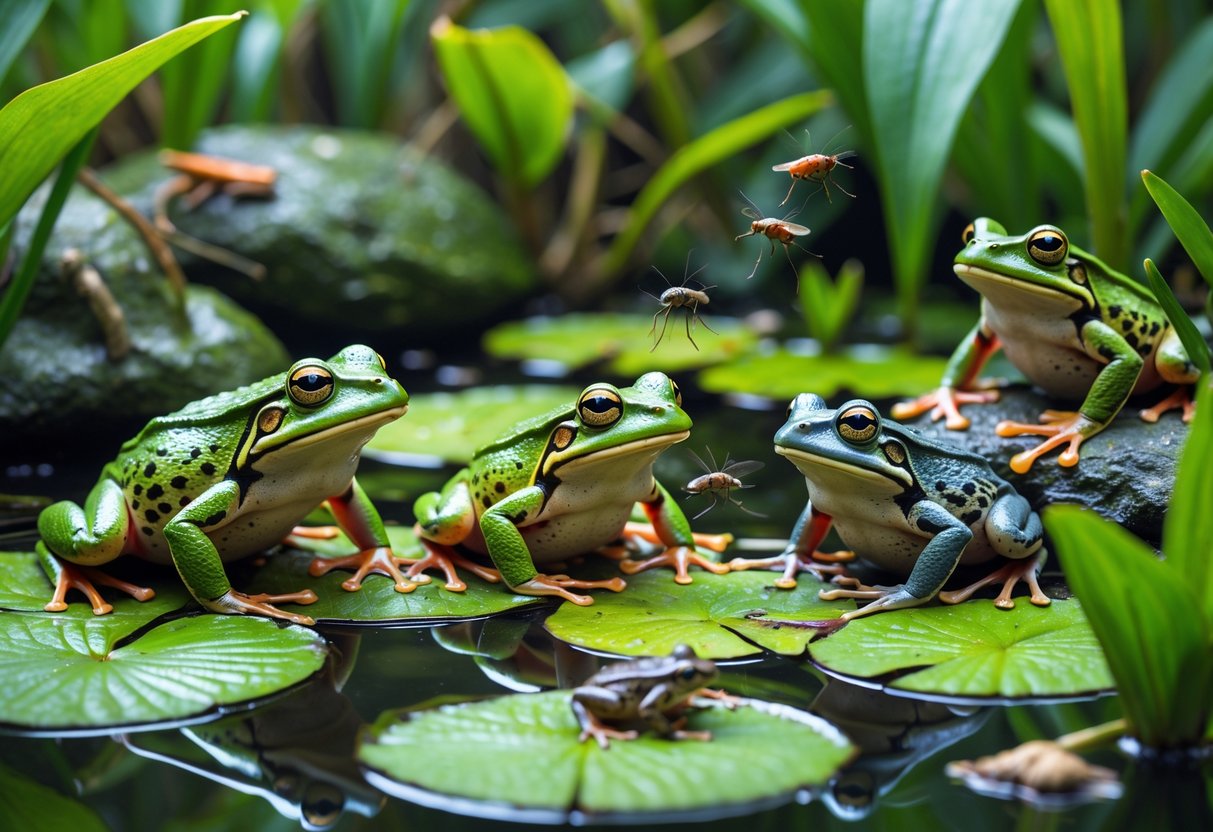
Frogs and toads play a big part in ecosystems because of what they eat and where they fit in the food chain. Their meals usually include insects and small animals, but their diets can change a lot depending on the species.
Some even eat other frogs or toads if they’re hungry enough. Their eating habits reveal a lot about how they survive, whether they’re wild or kept as pets.
Natural Diets of Frogs and Toads: What They Eat
Adult frogs and toads mostly eat insects like flies, crickets, and moths. They’ll also go for worms, snails, and other small bugs.
Smaller toads stick with tiny insects and worms. Bigger ones might eat small vertebrates—think lizards, snakes, or even little birds. Tadpoles, though, are a different story. They usually munch on algae and plants, so they’re herbivores or omnivores while young.
In the wild, toads usually eat whatever they can catch on land or near water. Semi-aquatic frogs might grab small fish or crayfish. This variety helps keep insect numbers down and feeds larger animals in the chain.
Feeding Habits and Hunting Techniques
Frogs and toads are surprisingly good hunters. They use their long, sticky tongues to catch food in a flash.
When an insect gets close, they flick out their tongue and snag it. Since toads don’t have teeth, they swallow their food whole.
Most of their hunting happens at night. They sit still and wait for something to move, then strike. Wild toads especially will eat almost anything moving that fits in their mouths, from insects to small amphibians.
Cannibalism and Predatory Behaviors
Sometimes, frogs and toads even eat their own kind. This usually happens if food is scarce or space is tight.
Tadpoles might eat other tadpoles just to survive. Adult frogs and toads sometimes eat smaller ones if they’re desperate.
Cannibalism helps control overcrowding in their habitats. Their diet can also include small vertebrates like baby snakes or mice.
It’s kind of wild how adaptable they are when it comes to finding food. If you’re keeping frogs or toads as pets, knowing this helps you avoid problems with aggression or missing food.
Frogs and Toads as Pets: Safe Foods and Care
If you’ve got a pet toad or frog, you’ll probably want to feed them what they’d find in nature. Live insects like crickets, mealworms, wax worms, and super worms usually work well.
These bugs give your pet the protein it needs to grow and stay healthy.
Don’t offer fruits or veggies—frogs and toads stick to meat, no exceptions.
Make sure you pick food that’s the right size; your toad shouldn’t struggle to swallow. Smaller toads do better with tiny insects, while the bigger ones can handle chunkier prey.
Always set out fresh water. Their habitat should fit their semi-aquatic or terrestrial lifestyle if you want your pet to thrive.
If you’re curious, you can check out more about toad diets and feeding habits to help your pet live its best life.


