
Ever wondered if frogs can eat the same food you do? I mean, they seem like they’d try anything that moves. But honestly, frogs shouldn’t eat human food—it can mess with their health. Their bodies just aren’t built for the stuff we put on our plates; they thrive on live insects and small animals.
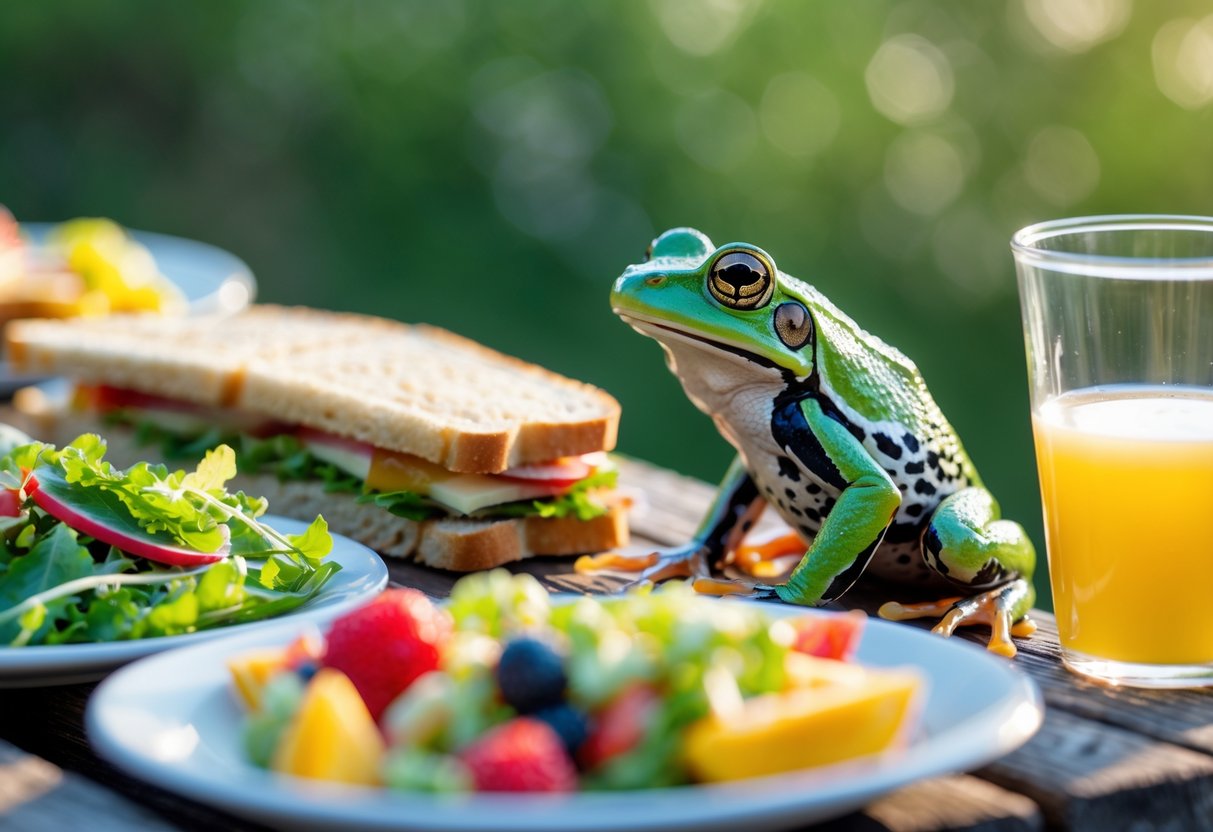
It’s tempting to offer your frog a bite of your snack, but most human foods lack the nutrients frogs need. Bread, fruit, or cooked meat can upset their digestion or even make them sick. If you really want your frog to be happy and healthy, understanding what they eat is key.
Curious about what happens if frogs try human food, or what you should actually feed them? Keep reading. Their diet is more specialized than you might think. For more info, you can check out what frogs eat and why human food isn’t great for them at Animal Triangle.
Do Frogs Eat Human Food?

Frogs usually stick to insects and small animals. Sometimes, though, if human food is nearby, they might give it a try. Some human foods might not hurt them in tiny amounts, but most are unhealthy or even dangerous for frogs.
If you know what frogs might eat—and what could harm them—you’ll do a better job keeping them healthy.
Human Foods Frogs Might Try
Frogs living near people sometimes grab scraps like bits of cooked chicken or hamburger. They might also eat commercial fish food or small worms and insects you give them. Some species, like African Dwarf Frogs, eat brine shrimp, bloodworms, or krill from pet stores.
If you’re feeding a pet frog, stick with crickets, mealworms, or food made especially for frogs. These options give them the nutrition they need to grow. Human food just doesn’t cut it for vitamins and minerals.
Risks and Health Impacts for Frogs
Human food can cause frogs digestive issues and poor health. Processed foods—think bread, cheese, sweets—don’t have what frogs need. Over time, things like obesity and vitamin deficiencies can creep up.
Salt, sugar, and allergens in human food can mess with a frog’s sensitive system. Greasy or spoiled leftovers can make them sick, too. If you want a healthy frog, skip the human food and offer safe, natural snacks like small insects.
Unsuitable Foods for Frogs
Don’t feed frogs anything with seasoning, salt, or oil. Chips, candy, marshmallows, and cooked veggies can all harm them. Dairy products like milk or cheese aren’t part of a frog’s natural diet and can upset their digestion.
Raw meats or fish might carry parasites or bacteria that are dangerous to frogs. Even live foods like houseflies or spiders could be risky if they’re contaminated. When you’re unsure, it’s safer to stick to foods made for amphibians or insects you know are safe.
Giving your frog the right diet helps them stay healthy and active. If you want to learn more about wild and captive frog diets, check out what do frogs eat and how to keep their meals balanced.
Understanding a Frog’s Natural Diet

Frogs eat all sorts of things, depending on their environment, species, and life stage. Their diets help them grow, survive, and even keep pests in check.
Typical Foods in the Wild
Most wild frogs eat insects like flies, crickets, and moths. These little critters make up most of their meals. You’ll also see frogs eating worms, slugs, and snails, especially if they hang out near ponds or damp places.
Some big frogs, like bullfrogs or African bullfrogs, go after small animals—sometimes even mice or other frogs. Their jaws are strong enough to handle larger prey.
Surprisingly, some frogs eat algae or plant matter, especially when they’re tadpoles. Tadpoles start with a mostly plant-based diet, which helps them grow before they start hunting bugs.
How Diet Differs by Frog Species
Different frog species eat different things. Tree frogs snack on flying insects since they live up in the trees. Aquatic or semi-aquatic frogs go for water creatures like small fish, aquatic insects, and snails.
Bullfrogs are pretty much the garbage disposals of the frog world; they’ll eat almost anything that fits in their mouths. That’s probably why they can live in so many places.
A frog’s diet usually matches its habitat. In dry areas, frogs might eat mostly ants or termites, while frogs in wetter spots get more worms and water critters.
The Role of Tadpoles and Juveniles
Tadpoles eat very differently from adult frogs. Instead of bugs, they mostly munch on algae and plant matter in the water.
As they grow, tadpoles start eating tiny aquatic animals like worms or snails. When they finally turn into adult frogs, their diet shifts to insects and small animals.
This big change in diet is crucial for their growth and helps them make it to adulthood.
Environmental Impacts on Frog Diets
Your frogs’ diets shift depending on the environment and climate. In colder places, frogs might hibernate and barely eat during the winter.
Climate change messes with where frogs can find food, too. When temperatures and rainfall change, you’ll see fewer insects or water creatures around, so frogs have a tougher time getting enough to eat.
Frogs eat a lot of pests like mosquitoes and flies. They help keep your outdoor spaces balanced, which is honestly pretty important.
When their food sources disappear or shrink, frog populations can drop. That ends up hurting the health of your local ecosystem, and who wants that?


