
Ever watched a frog hop around or croak by its pond and wondered if it actually feels happy? Frogs don’t really experience emotions the way humans do, but they definitely show signs of basic feelings—like happiness—especially when they feel safe and their needs are met.
You’ll notice their behavior changes when they seem content or excited. Sometimes, they move around more or become curious about their surroundings.
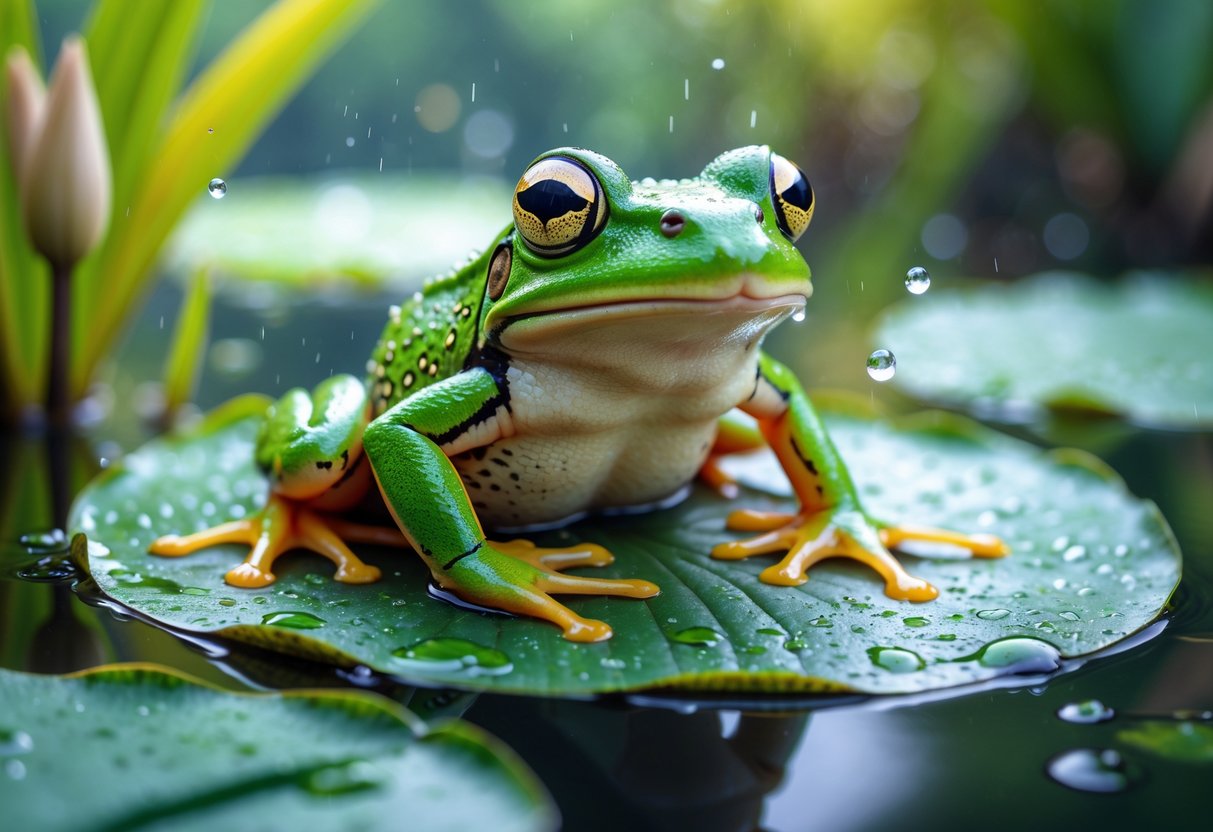
Surprisingly, frogs can feel things like fear, stress, and even a bit of curiosity. Knowing about these emotions helps you care for pet frogs—or just appreciate wild ones a little more.
Let’s dig into how frogs show their feelings and what makes them “happy” in their own unique way.
Can Frogs Feel Happy?

Frogs show a range of emotions, including what we might call happiness. Their feelings come from real, simple reactions to things like touch or changes in temperature.
Chemicals in their brains affect how they feel, whether that’s good or stressed.
Frog Emotions and Sentience
Do frogs really have feelings like happiness or fear? It’s a fair question.
Researchers have seen frogs relax or move more when you gently touch them. These could be signs they’re content. When danger shows up, frogs quickly jump away.
Frogs don’t have the same complexity as mammals, but their actions suggest some basic emotions. You’ll spot differences when they face food or threats—those reactions hint at simple feelings.
They even interact with each other, which makes it pretty likely they have some emotional awareness.
Role of Mesotocin and Other Chemicals
Brain chemicals shape how frogs feel. One of the big players is mesotocin. It acts a lot like oxytocin (the “bonding” chemical) in mammals and helps with social bonding and positive feelings.
Others, like dopamine and serotonin, matter too. These chemicals spike during exciting or pleasant moments—like eating or exploring.
They help frogs stay motivated and might lead to “happy” behaviors, such as swimming around or calling to other frogs.
Learning about these chemicals gives you a better sense of how frogs’ brains create emotions, even if they’re simpler than ours.
How Frogs Experience Well-Being
Think of frog well-being as how safe and comfortable they feel in their world. Frogs thrive when the temperature’s just right, there’s quiet, and they can get food easily.
When they’re comfortable, frogs move around more and make social calls. Loud noises or extreme temperatures can stress them out or make them act aggressive.
You help their emotional health by keeping their habitats healthy. Protecting their homes lets frogs feel good and safe.
This balance between their environment and feelings shows that frogs’ well-being depends on more than just food or water.
Want more? Check out Can Frogs Feel Happy? The Surprising Emotional Life of Frogs to see how frogs express emotions in the wild.
Recognizing and Supporting Frog Happiness
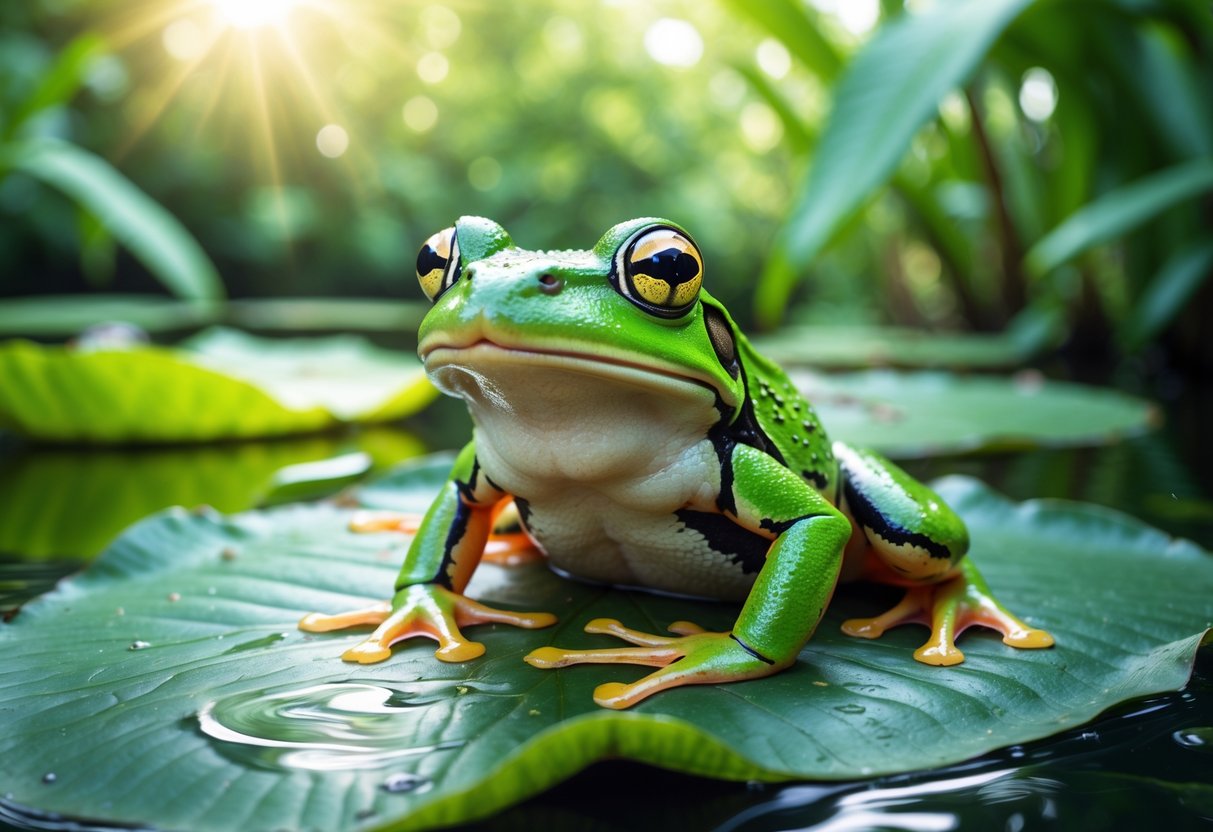
If you keep frogs as pets, you probably want to know if they’re happy. Frogs show their feelings mostly through how they act and react.
Understanding what makes them feel safe and comfy helps you take better care of them.
Signs of a Happy Frog
A happy frog acts alert and active. You’ll see them moving around, jumping, or exploring their space.
They often swim or hop when they see food or notice something new.
Watch for quick breathing and a steady heart rate—those usually mean your frog feels comfortable. Frogs also relax when you touch them gently, which shows they feel safe.
Their vocal sounds matter, too. Happy frogs sometimes croak quietly or make noises when they’re content.
If your frog plays with toys or objects you give them, that’s a good sign they’re curious and enjoying themselves.
Do Frogs Feel Pain and Stress?
Frogs definitely feel pain and stress. When hurt or scared, they’ll jump away fast or hide.
Loud noises, bad water, or sudden temperature changes can stress them out.
A stressed frog might stop moving around or hide for a long time. Some even stop eating if they’re not happy.
Since these signs affect their quality of life, you should keep their environment calm and clean.
Handling frogs too much or roughly stresses them out. Always be gentle—frogs have sensitive skin and can feel discomfort or pain.
Best Practices for Pet Frogs
To keep your frog happy, set up a comfy home with clean water, the right temperature, and enough space.
Give them places to hide and rest.
Feed them regularly with live or prepared food. If your frog eats willingly, that’s a good sign they’re content.
Don’t make sudden changes to their environment. Frogs do best with steady lighting, temperature, and humidity.
Limit how much you handle your frog. If you need to pick them up, use wet hands—dry hands can hurt their skin.
Special Case: African Dwarf Frog Behavior
African dwarf frogs act pretty differently from most other frogs. They spend almost all their time underwater and actually seem to prefer hanging out in groups.
You’ll notice they show happiness by swimming around a lot and coming up for air in this relaxed, almost lazy way.
Sometimes, these frogs will swim closer when they notice you nearby. They like to poke around their tank, exploring or squeezing into hiding spots—it’s a good sign they feel comfortable.
Try to keep their tank water clean and steady. Since they live entirely in water, even small changes in water quality can stress them out fast.
If you add some plants and places to hide, they’ll feel much more at home. It’s honestly kind of fun to watch how much more relaxed they get with a few extra hiding spots.


