
So, can you keep frogs as pets? Absolutely! Frogs are fascinating little creatures—watching their quirky habits and seeing their bright colors never really gets old.
They don’t need as much daily attention as some pets, but you’ll still have to meet their specific needs if you want them to thrive.
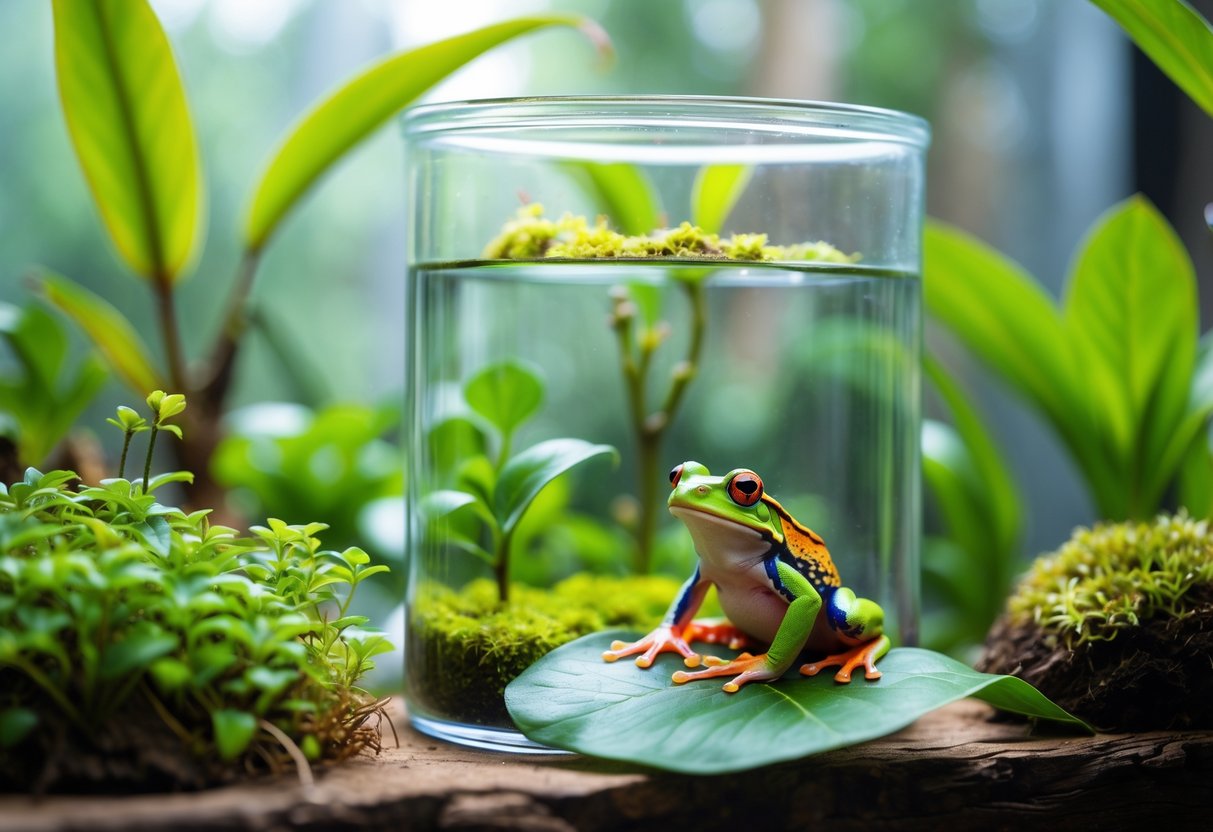
Keeping frogs as pets means setting up the right environment—think humidity, temperature, and clean water. Some frogs really need that fancy terrarium with misting systems, while others seem content in simpler setups.
You’ll need to research the species you’re interested in because their requirements can vary a lot.
Frogs don’t love being handled, honestly. Their skin is delicate and absorbs chemicals, so it’s best to enjoy them as display pets.
They bring a bit of nature indoors, and if you’re curious about how to care for them or which species to pick, this guide will help you start off right.
For more info, you can check out some beginner frog care advice.
Choosing the Right Frog Species
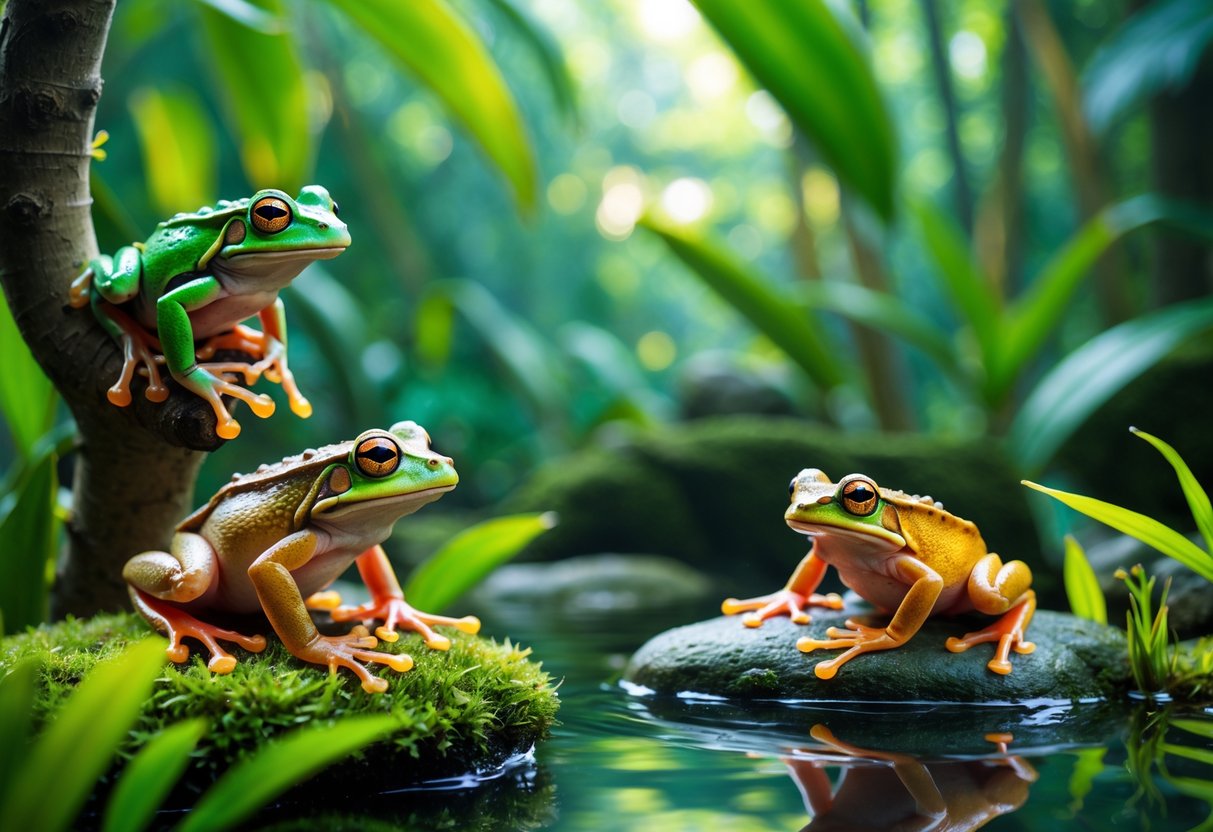
Picking a frog species isn’t just about looks—it’s about matching their needs to your lifestyle.
Some frogs are a breeze to care for, while others ask for more time and experience.
Popular Beginner Species
If you’re new to frogs, go for species that are hardy and don’t need a lot of fuss.
White’s Tree Frog is a top pick. They’re friendly, can live up to 15 years, and do best in a warm, humid terrarium with space to climb.
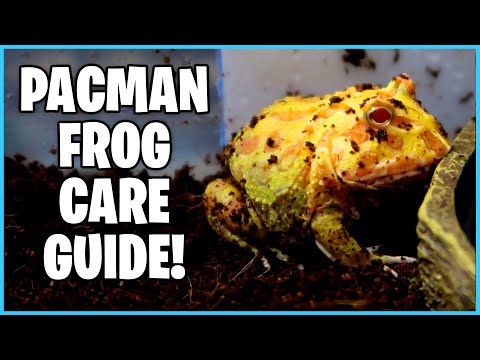
Pacman Frogs are another solid choice for beginners. They’re not very active, have big appetites, and like a moist setup.
You could also try the Oriental Fire-Bellied Toad or the African Dwarf Frog. Both are active but manageable and don’t have complicated care needs.
These frogs usually eat crickets, mealworms, or other small insects you’ll find at pet shops.
This list gives you some fun, easy options if you’re just starting out.
Species to Avoid for Beginners
Some frogs need more specialized care or setups, so they’re not great for first-time owners.
Poison Dart Frogs look amazing but they’re sensitive to their environment and diet. Their setups need to be super clean and humidity has to stay just right.
Red-Eyed Tree Frogs are beautiful, but they get stressed if handled too much and need strict humidity and temperature control.
The bigger guys, like African Bullfrogs and Budgett’s Frogs, need large tanks and can be a bit aggressive. They also eat live prey, which isn’t for everyone.
If you’re new, it’s better to wait until you’ve got some experience before trying these species.
Captive-Bred vs. Wild-Caught Frogs
Always try to buy captive-bred frogs instead of wild-caught ones.
Captive-bred frogs are healthier and already used to living in terrariums. Plus, buying them helps protect wild frog populations and their habitats.
Wild-caught frogs sometimes carry diseases or parasites. They might also be stressed or weaker from being captured and transported.
Captive-bred frogs settle into home life more easily, so it’s simpler to meet their needs.
Most pet shops and good breeders offer captive-bred frogs, so stick with those when you’re starting out.
Choosing captive-bred supports responsible pet ownership and conservation.
For more tips, check out this guide on choosing the right frog species as a pet.
Setting Up and Caring for Your Pet Frog
To care for your frog, you’ll need the right habitat and a steady routine.
Your frog’s home should keep it safe, comfy, and healthy. Feeding, cleaning, and watching their environment are all part of the job.
Enclosure Types and Requirements
Pick an enclosure based on your frog’s size and species.
Small frogs usually do well in a 20-gallon terrarium. Bigger frogs might need 50 to 100 gallons.
Always use a secure lid so your frog can’t escape.
Frogs react to temperature and humidity changes. You might need heat lamps, under-tank heaters, or misting systems to keep things steady.
Most frogs like humidity above 70%. Using a temperature and humidity gauge helps you keep it all in check.
Add clean water to the enclosure. Some frogs need mostly water, while others want a mix of land and water.
A water filter helps keep the water fresh.
Creating a Naturalistic Vivarium
Try to mimic your frog’s natural home with a naturalistic vivarium.
Use substrates like coconut fiber, moss, or soil to hold moisture. Skip gravel or sand, since frogs can swallow it and get sick.
Add plants, rocks, and hides to give your frog places to explore and hide. This helps them relax.
Live plants also help maintain humidity.
For semi-aquatic frogs, keep water shallow. For aquatic frogs, make it deeper.
You can use a water dish or a small pond area. Make sure all decorations are non-toxic and easy to clean.
This kind of setup keeps your frog healthier and happier.
Daily & Long-Term Frog Care
Feed your frog live insects like crickets, mealworms, or earthworms. Don’t offer prey that’s bigger than your frog’s mouth—it could choke.
You can dust their food with calcium powder to help prevent bone problems.
Clean your frog’s enclosure often. Remove waste and change the water every few days.
Give the tank a thorough cleaning about once a month to prevent bacteria and mold.
Watch your frog every day for signs of illness, like changes in skin or unusual laziness.
Frogs tend to hide when they’re sick, so it’s smart to visit a vet quickly if you notice something off.
A regular check-up with an exotic animal vet helps catch problems early.
Common Challenges and Safety Tips
Frogs make delicate pets. Don’t use chemicals near their tank—they can soak up toxins right through their skin.
Always wash your hands before and after you handle them. It’s a simple habit, but it matters.
Too much light or noise can really stress frogs out. Try to keep their space calm and a bit dim.
Look out for problems like dehydration or skin infections. Impaction from swallowing substrate happens more often than you’d think.
Stick to safe materials and keep the humidity just right. That way, you cut down on most risks.
Make sure your frog stays safe by preventing escapes. Watch out for curious pets or small kids, too.
Lock that enclosure tight. It only takes a second for a frog to slip away.
For more details on proper frog care, check out this ultimate guide to caring for pet frogs.


