
Ever wondered if frogs can sense danger? Yeah, they absolutely can. Frogs rely on sharp senses to pick up threats lurking nearby.
They use their hearing, sight, and even their skin to notice changes in their environment. Sometimes, the tiniest shift means trouble is coming.

Frogs react fast to sounds, vibrations, and smells that warn them about predators. This quick response lets them escape or hide before anything gets too close.
It’s kind of amazing how some frogs even use smells to recognize a threat or another frog. Their danger-sensing skills are more clever than you might think.
Let’s dig into what makes frogs so good at dodging danger.
How Frogs Sense and Respond to Danger

Frogs mix sharp senses, quick sounds, and fast moves to stay out of harm’s way. They count on their eyes, ears, and skin to spot trouble.
When danger pops up, frogs make warning noises or dart off in a blink.
Sensory Abilities in Frogs
Frogs have big eyes that help them catch even tiny movements from far away. They watch for predators like birds or snakes.
Their hearing is pretty solid too. Frogs can pick up quiet sounds that might mean something’s creeping closer.
Their skin isn’t just for looks—it feels vibrations and changes in temperature or pressure. That way, frogs know if something is walking nearby.
Some frogs can even pick up chemical signals, kind of like sniffing out danger. All these senses team up so frogs can react quickly and (honestly) pretty cleverly.
Vocalizations and Warning Calls
When a frog senses a threat, it might let out special sounds to warn others or freak out predators. These calls change from species to species.
Some frogs go for low croaks, others grunt or click. It’s not really a scream, but it gets the message across—“stay away” or “help me out.”
Certain frogs also release smelly or toxic stuff when attacked, which adds another defense trick. A frog’s voice is more important than you’d guess for staying safe.
Behavioral Responses to Threats
You’ll often see frogs try to hide or blend in when they notice danger. Their colors and patterns help them disappear into plants or water edges.
Sometimes, they freeze or sneak away slowly so nothing spots them. If that fails, frogs leap far from trouble or puff up to look bigger.
A few can even change color to match their background better. These moves help frogs dodge predators and stick around in the wild.
Defense Mechanisms and Survival Strategies
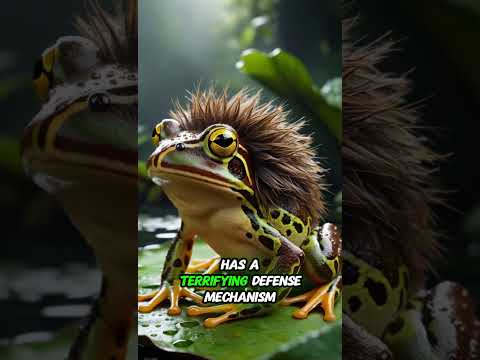
Frogs have a bunch of tricks to protect themselves when things get risky. They use their colors, poisons, and odd behaviors to keep predators at bay.
Some species face extra trouble from the pet trade, which doesn’t exactly help their odds.
Camouflage and Coloration Strategies
Have you ever noticed how some frogs vanish into leaves or tree bark? That’s camouflage at work—a lifesaver for many, especially tree frogs.
They use colors and patterns to hide from birds, snakes, and anything else that might want a snack.
Green Tree Frogs, for example, can switch from green to brown to match their spot. Others have stripes or spots that break up their shape, making them tough to spot.
This trick isn’t just for forests—frogs use it near water too. If you look close, you might catch a frog hiding in plain sight, almost like magic.
Toxic Secretions and Chemical Defenses
Some frogs take things up a notch with poison. Their skin can ooze toxic stuff that tastes awful or even kills predators.
Poison dart frogs, for example, pack strong toxins that keep birds and snakes away. The strength of these poisons varies—a few frogs are super toxic, while others just taste bad enough to make smaller attackers think twice.
Bright colors on toxic frogs act as a big warning sign: “Don’t even try it.” These toxins can stick around in a frog’s body for years, so they stay protected even without making new poison.
That’s why species like the Giant Poison Dart Frog are so tough to mess with.
Species-Specific Adaptations
Different frogs have their own survival hacks. Tree frogs might leap away in a flash, while others just freeze and hope for the best.
Some play dead or puff up to look scary. A few even live in groups, which confuses predators and lets them warn each other with calls.
Where a frog lives matters too. Picking thick plants or watery spots gives them a better chance to avoid being eaten.
Some frogs pull off mimicry—they look like toxic frogs even if they aren’t poisonous at all. It’s a clever bluff that often works.
These creative moves show just how smart frogs can be about staying alive.
Impact of the Pet Trade on Frog Safety
The pet trade hits a lot of frogs hard, especially those bright and exotic ones—think tree frogs or poison dart frogs. People who buy or sell these frogs end up putting wild populations under a lot of pressure.
When collectors pull frogs out of their natural homes, their numbers drop. Groups get broken up. That makes it way tougher for them to survive, because sticking together and having safe spots to hide are huge for dodging predators.
Captivity stresses frogs out, too. Their immune systems take a hit, so they can’t fight off threats as well. And when folks grab lots of frogs from the wild, local ecosystems get thrown off balance. Frogs eat pests, so when they vanish, you start to notice.
If you care about these little guys, maybe support pet trade practices that actually protect them and their habitats.
Curious about how frogs use camouflage or toxins to stay safe? Check out froggyinsights.com for more.


