
Ever wondered if having frogs around is actually good? Well, honestly, yeah—it usually is. Frogs help out in your garden by munching on pests like mosquitoes, slugs, and beetles, so you’ll probably notice fewer bugs bugging your plants or you.
They help keep things balanced and natural outside, and you don’t have to rely on harsh chemicals.
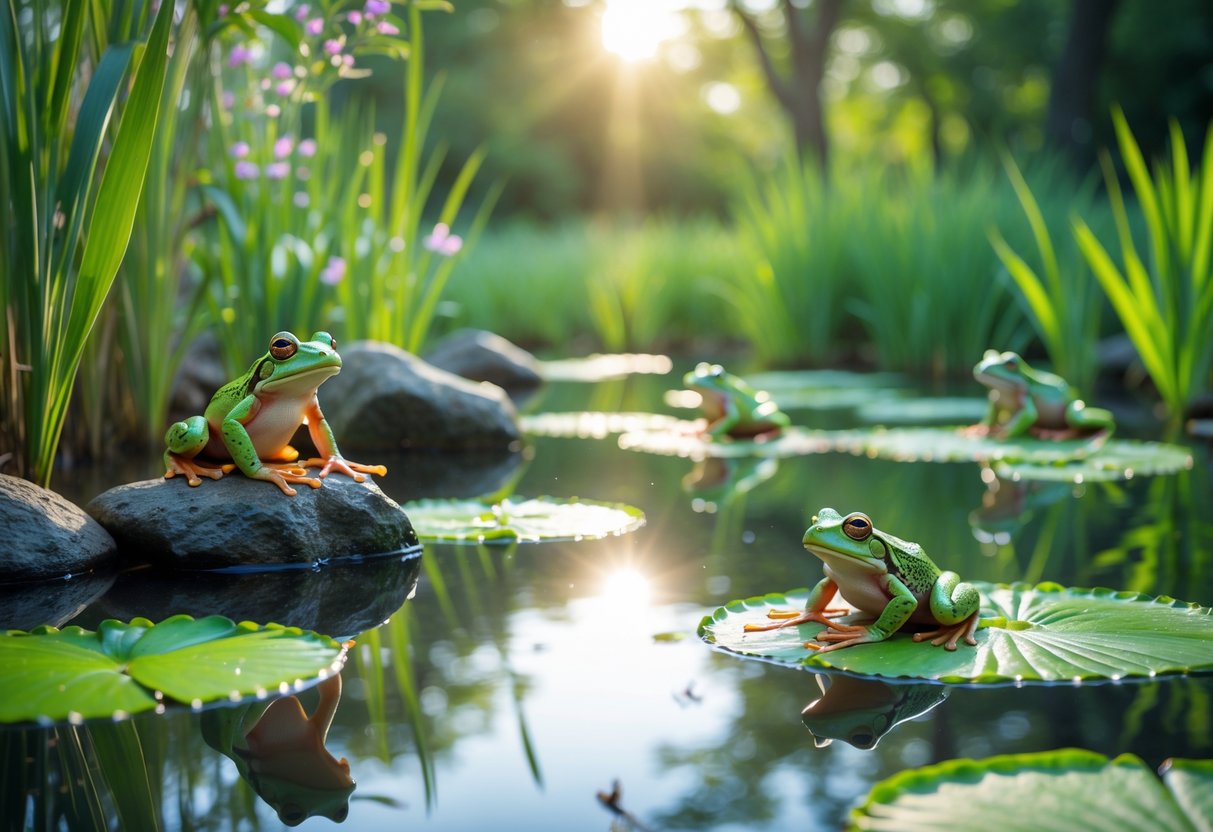
Frogs bring a bit of life and charm to your yard, too. Their croaks often mean your garden’s healthy and full of insects for them to snack on.
But, just like any garden guest, they come with a few things to think about—like noise or maybe drawing in predators.
You might be surprised at how these little amphibians fit into your outdoor space. If you want to welcome them or keep their numbers in check, it helps to know the basics about frogs before you decide what’s best for your garden.
Are Frogs Beneficial to Have Around?

Frogs play a pretty important role in gardens. They help control pests, support a healthy environment, and boost local biodiversity.
Still, you might run into a few issues if you have frogs nearby, so it’s smart to know both the upsides and potential downsides.
Natural Pest Control and Garden Pests
Frogs eat a lot of common garden pests. You can think of them as your own natural pest control crew.
They go after insects like mosquitoes, flies, slugs, and beetles. With frogs around, you’ll probably need fewer chemical pesticides.
Not every frog eats the same things. Tree frogs and American bullfrogs, for example, have different diets but generally stick to insects.
Cane toads, which aren’t native everywhere, eat a huge range of pests but can turn invasive and cause trouble for local wildlife.
Frogs sometimes eat helpful bugs, too, so you’ll want to keep your garden balanced. They cut down on pest numbers, but they can’t take care of every insect.
Environmental Indicators and Biodiversity
Frogs usually mean your garden ecosystem is in good shape. They need clean water and safe spots to live and breed, so if you spot frog eggs or tadpoles in your pond, your water’s probably in good condition.
Having frogs boosts biodiversity. Birds and bats might show up because frogs draw them as prey.
Their presence suggests your yard supports a balanced ecosystem with benefits for lots of different species.
Native frogs fit best in your environment, so learning which species live in your area helps you create a garden that really supports them.
Potential Drawbacks of Frogs in Gardens
Even though frogs help out, they’re not perfect guests. Some species, like American bullfrogs and cane toads, get big and can turn aggressive or invasive, which might throw your garden out of balance.
Frogs can be pretty noisy, especially during mating season at night, and if your pond’s close to the house, their calls might keep you up.
They can attract predators like snakes, raccoons, or birds, and that might cause issues for your other garden critters.
If too many frogs show up, they might compete with each other for resources. It’s a good idea to keep an eye on their numbers so your garden stays healthy.
How to Encourage or Deter Frogs in Your Yard

You can shape your yard to welcome frogs or keep them away by managing water, shelter, and food sources. Sometimes, just a few tweaks make a big difference, whether you want a lively frog habitat or prefer to dial things down.
How to Attract Frogs and Create a Frog Habitat
If you want frogs, focus on food, water, and hiding spots. Frogs eat insects like crickets, spiders, and caterpillars, so having a bug-friendly garden helps a lot.
Skip the pesticides—they hurt both insects and frogs.
Frogs look for moist places to live and breed. Damp soil, mulch, and leafy debris give them shelter from predators.
You can leave logs or rock piles out for frogs to hide in during the day.
A diverse, insect-friendly garden with safe places to hide will naturally bring frogs in. This helps keep your yard healthy and reduces pest bugs, too.
Water Features, Aquatic Plants, and Shelter
Water’s a must for frogs. A small pond or slow-moving water feature will attract them for breeding and staying moist.
Aquatic plants like water lilies or cattails make things even better by providing shade and hiding spots.
Keep the water clean and not too deep. Frogs also use nearby plants or garden debris for shelter.
Dense shrubs, tall grass, or piles of leaves offer safe places to rest and hide.
Check your water features regularly to keep mosquitoes down, but don’t use chemicals. That way, you keep frogs visiting without risking your health or your pets’.
How to Keep Frogs Away and Use Frog Repellents
If you’d rather not have frogs, start by getting rid of standing water like birdbaths, clogged gutters, or puddles. Without water, frogs won’t stick around or breed.
Clear out yard debris, thick plants, and leaf piles to remove hiding spots.
Turning off outdoor lights at night helps, too, since lights attract insects—and insects attract frogs.
Some folks try natural repellents like coffee grounds or vinegar sprays, but honestly, those rarely work. It’s better to make your yard less appealing to frogs.
Salt or chemical barriers can damage your plants and soil, so it’s best to steer clear of those. Focus on changing the habitat for results that last.
Safety Tips and Preventing Problems
Frogs are mostly harmless, but they can carry salmonella bacteria. Remind kids to wash their hands after touching frogs or anything around wet areas.
If you have pets that chase frogs, keep an eye out—this can stress both your pets and the frogs. Plus, frogs sometimes attract snakes, and nobody really wants that surprise.
Try to keep your yard tidy. Cleaning up regularly helps control frogs, cuts down on pests, and just makes your space feel safer.
If you spot frog eggs in pools or ponds, scoop them out gently. That way, you can avoid a sudden explosion of tiny frogs hopping everywhere.
Before you try moving or removing frogs, check your local laws. Some places have strict rules about handling them.


