
Yeah, it’s totally normal to spot a frog in your garden, especially if there’s water nearby—a pond, creek, or just a soggy patch. Frogs wander from these wet places searching for food, shelter, or maybe just a cozy spot to chill.
Seeing a frog usually means your garden’s doing something right for wildlife.
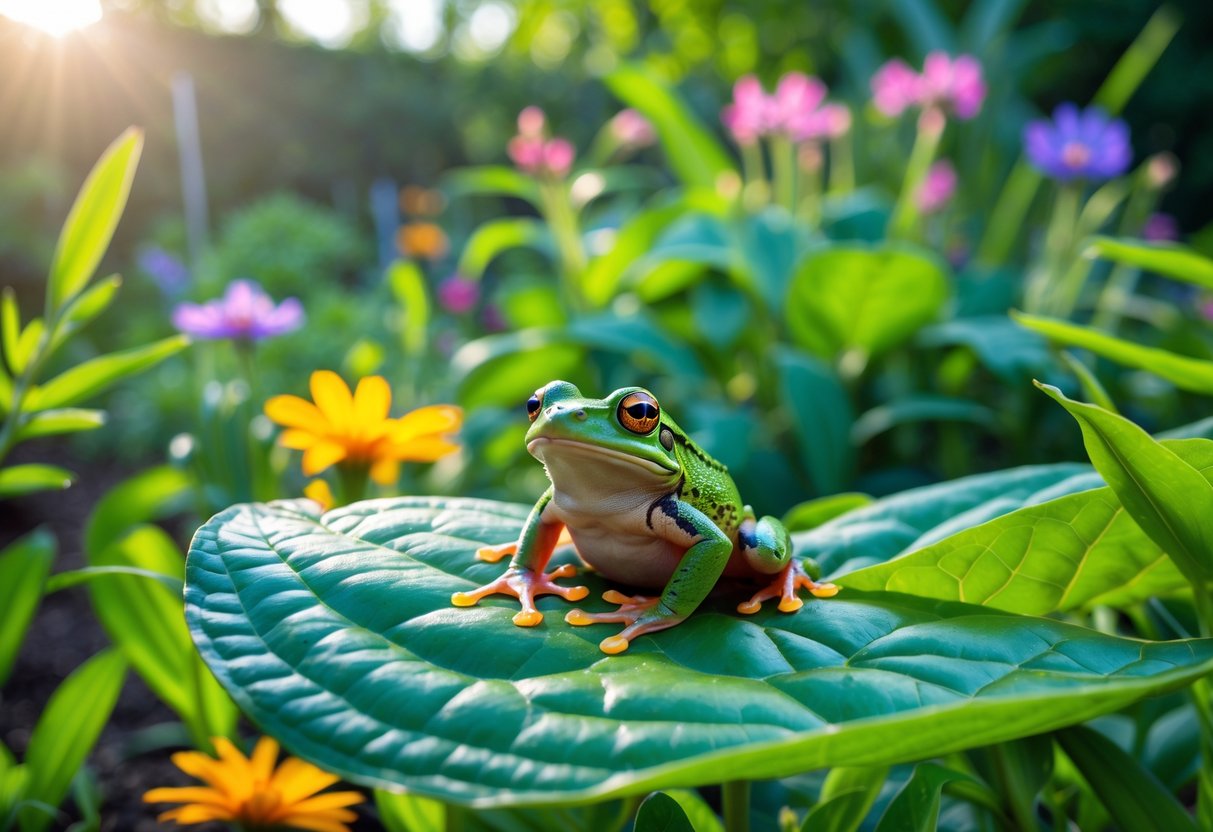
Frogs actually spend a lot of time on land and can live far from water. Your garden gives them a home if you’ve got log piles, damp corners, or long grass where they can hide and hunt for bugs.
If you see a frog, it’s usually best to just leave it alone. They’re great at keeping pests in check.
Want more frogs? Try adding a pond or a damp spot. Frogs love these places for breeding.
But honestly, even if you don’t have a pond, frogs might still visit if your garden connects to other wild areas.
Why Frogs Appear in Your Garden
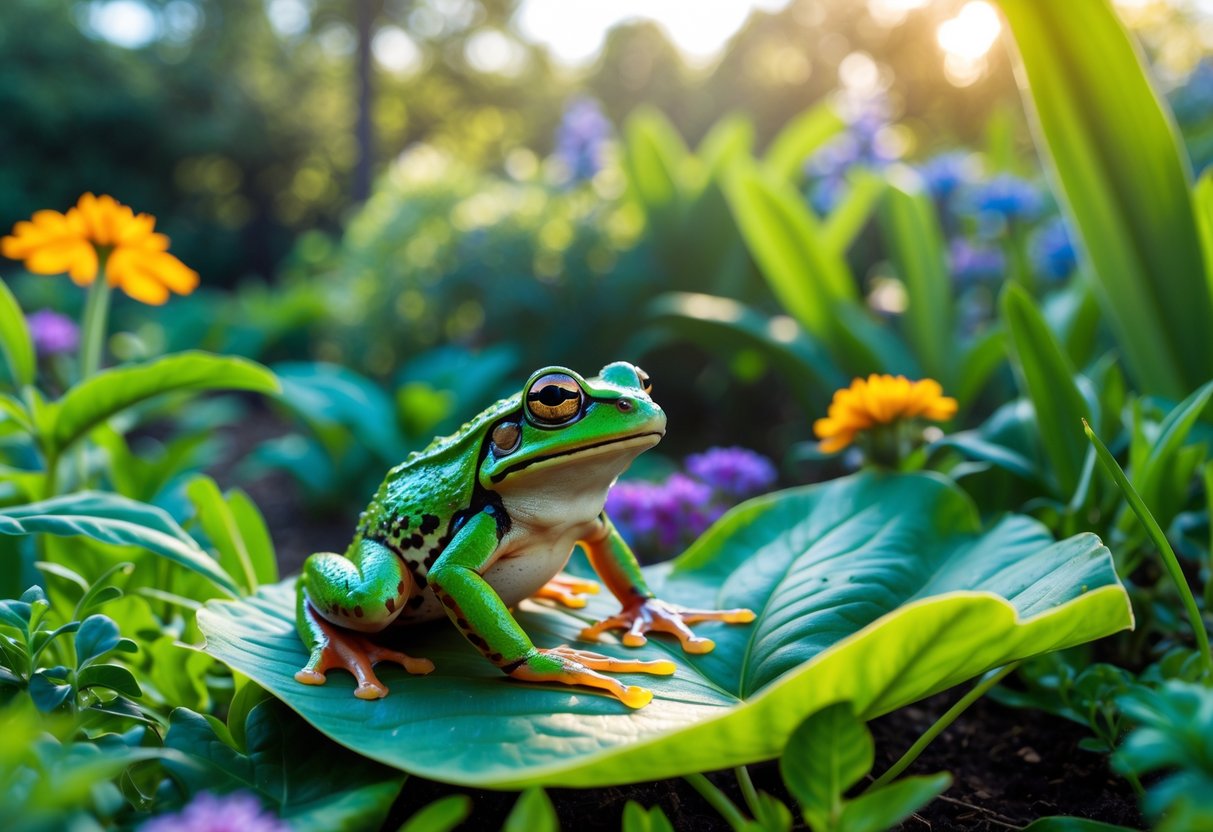
Frogs show up in your garden when it offers them a good place to live, food to eat, and water to breed in. They’re looking for safe hiding spots, easy meals, and somewhere moist to lay eggs.
Your garden might just have what they’re after.
Habitat and Shelter Preferences
Frogs and toads love spots where they can stay hidden and out of sight from predators. Overgrown plants, tall grass, and piles of leaves or logs give them the perfect hideout.
During the day, they’re less active and need these places to feel safe.
Cool, damp areas are a big draw since frogs need moisture for their skin. If your garden has shady corners or thick bushes, frogs will probably check them out.
Keeping your garden super tidy can actually make it less inviting for frogs.
Sources of Water and Garden Pond Influence
Water pulls frogs in right away. If you’ve got a pond or any standing water, frogs might show up to breed and lay frogspawn.
After the eggs hatch, tadpoles live in the water until they turn into frogs.
Even small water sources like birdbaths, puddles, or soggy soil can bring frogs around. Water’s essential for their life, so if you want fewer frogs, try removing or covering these spots.
Seasonal Factors and Breeding Behaviors
You’ll probably see more frogs during breeding season, usually in spring. Males start croaking to attract females—if you hear them, they’re ready to mate.
This noisy season can last a few weeks.
You might spot more frogspawn in your pond and tadpoles swimming around. Once breeding ends, frogs spread out and look for new places to eat and hide.
Knowing this cycle makes it easier to guess why frogs pop up at certain times.
Curious for more reasons frogs might be hanging around? Check out this guide on why you have frogs in your garden.
Benefits and Considerations of Garden Frogs

Having frogs around helps control pests and supports local wildlife. If you want them to stick around, you’ll need the right environment and a bit of care for water areas where they live.
Natural Pest Control and Garden Health
Frogs munch on lots of garden pests—mosquitoes, beetles, caterpillars, you name it. That means fewer bugs attacking your plants and less reason to use chemical sprays.
One frog can eat hundreds of insects in a single night, which is pretty impressive.
Frogs also add nutrients to the soil with their waste. They like moist, shady places, so keeping some mulch or water nearby helps them out.
This balance helps your plants grow better and keeps pest damage down.
Attracting Frogs for a Wildlife-Friendly Garden
If you want to attract frogs, make your garden cool and damp. Plant native bushes and ground cover for shelter and food.
Skip the chemicals—they can hurt frogs and the bugs they eat.
Add logs, rocks, and leaf litter for hiding spots and to keep things humid. A shallow pond with gentle edges works great if you want frogs to breed.
With these changes, you’ll probably attract more wildlife, like birds and helpful insects, and your garden will feel a lot more alive.
Pond Maintenance and Tadpole Care
If you’ve got a pond, keeping it clean really matters for frogs and their little tadpoles. Scoop out leaves and clear away algae pretty often—otherwise the water gets murky and loses oxygen.
You’ll help the tadpoles stay healthy as they grow if you do this. I mean, who wants a pond full of harmful bacteria?
Give your pond sloped sides so frogs can hop in and out without trouble. Skip adding fish that might snack on tadpoles, or you’ll probably see fewer frogs around.
During dry spells, keep an eye on the water level. Top it up if it’s getting low, because a dried-up pond isn’t good news for frogs or tadpoles.


