
Ever wondered if frogs have legal protection, especially since so many species seem to be vanishing? Actually, a lot of frogs are covered by laws like the Endangered Species Act (ESA) in the United States. These rules help keep endangered frogs safe from things like pollution and habitat loss.
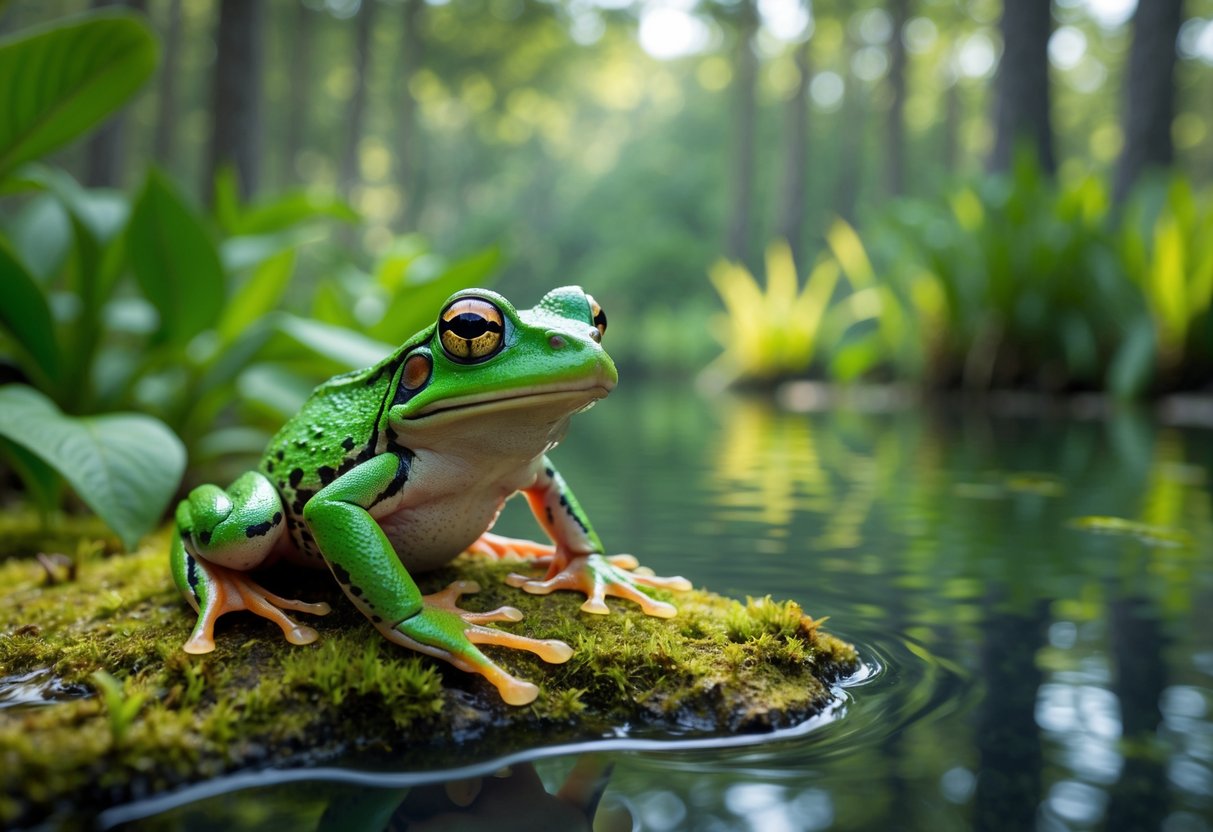
If you care about nature or just notice frogs hopping around your neighborhood, it’s good to know these protections exist. Some of the rarest frogs—take the dusky gopher frog, for example—actually have special habitats set aside for them.
People work together to keep frogs safe, and understanding these rules helps you see how. Frogs deal with a lot, from climate change to invasive species, but legal protections give them at least a shot at survival.
Learning about these laws might even help you realize why every species, even the ones you barely notice, matters for the environment’s balance.
Legal Protections for Frogs

Different laws protect frogs and set rules for how you can take, keep, or trade them. If you want to handle frogs legally, you really need to know these rules.
Some laws focus on endangered species, while others set limits on collecting or require permits. A few exceptions exist for certain nuisance species, but they’re not the norm.
Endangered Species and Local Laws
Many frogs, like the dusky gopher frog and the foothill yellow-legged frog, get extra protection since they face big threats. Laws like the Endangered Species Act make it illegal to harm, capture, or sell these frogs without permission.
California, as an example, lists some frogs and reptiles—like the garter snake and rat snake—as fully protected or regulated. These laws might stop you from taking or keeping them unless you’re doing scientific research or conservation work.
You can check out the California Fish and Game Code for more details about these rules.
Permits and Collection Restrictions
If you want to collect frogs or other amphibians for research or breeding, you’ll usually need a permit. This permit keeps things legal and helps protect wild populations.
You can’t take frogs for commercial use unless you have special authorization. There are strict rules to stop overharvesting, like limits on how many frogs you can collect or keep at once.
For example, you can’t take any frog outside the open season or go over the possession limit. Some amphibians—especially the fully protected ones—can only be handled under strict government supervision.
Permits also cover species like the garter snake and rat snake in places where they’re regulated, so populations stay healthy.
Nuisance Species and Exceptions
Not every frog gets full protection. Some species, like the giant marine toad, are considered invasive or a nuisance and might not be covered by these laws.
In some cases, you can remove or keep these frogs without a permit. But even for nuisance species, rules still limit how you handle or transport them.
You really should check your local laws before doing anything. Exceptions exist, but they almost never apply to endangered or fully protected amphibians.
Knowing which frogs are protected and which aren’t helps you stay on the right side of the law and actually protect wildlife.
Related Wildlife Protections and Ecosystem Roles
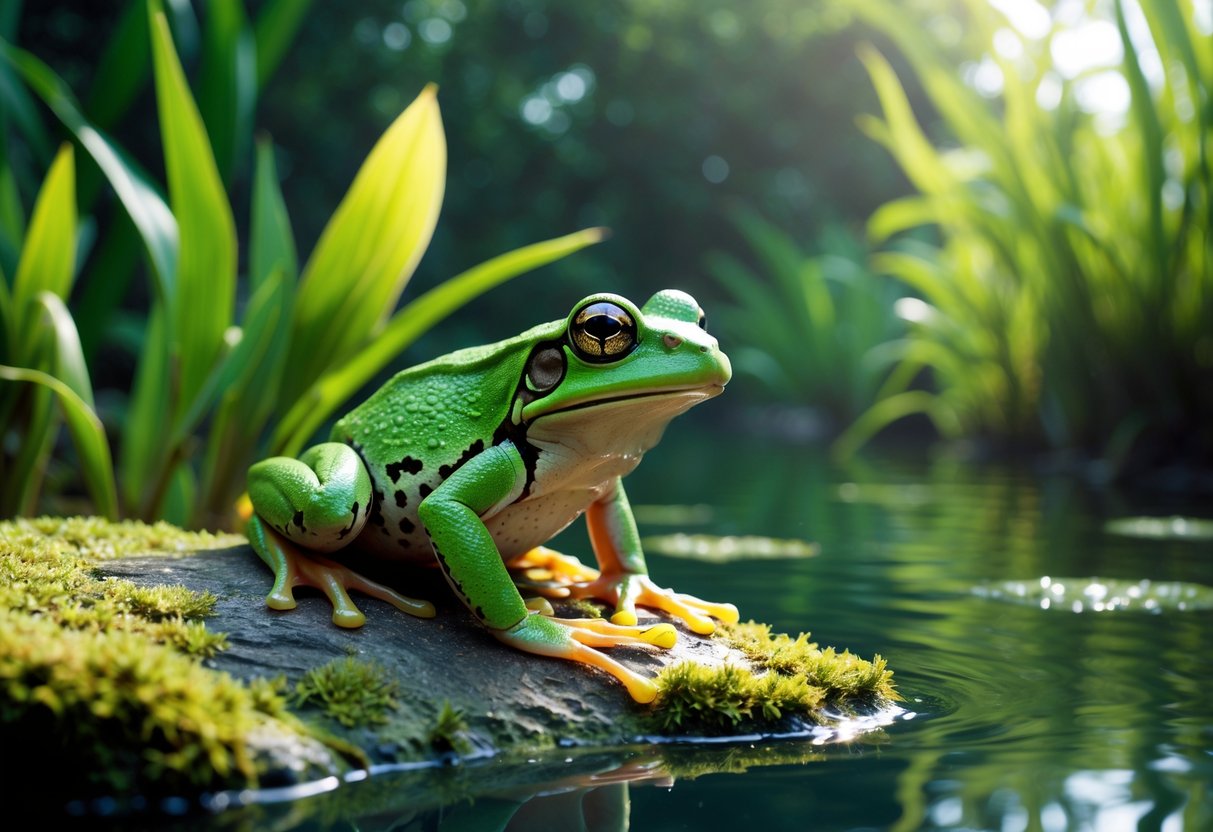
Frogs aren’t alone—they’re part of a bigger web of animals, and plenty of laws protect those creatures too. If you know how snakes and birds are protected, you start to see how the whole ecosystem fits together.
Protections for Snakes
Snakes like the garter snake and rat snake often live near frogs and face some of the same dangers. Laws in many places protect snakes by stopping people from harming or catching them without a permit.
Some snakes are even listed as threatened or endangered, so extra rules kick in. For example, rat snakes help control pests and play a role on farms.
Before you handle any snake, you should check your local regulations—some are protected, and disturbing them can mess up the balance in nature.
Bird Protection Laws and Exceptions
Birds have their own set of protections, like the Migratory Bird Treaty Act. This law covers a lot of species, including the European starling.
Starlings are protected, but since they’re invasive in some spots, there are exceptions. You might be allowed to manage starling populations legally, especially if they’re harming native birds or crops.
Other birds get full protection, so you can’t harm them or disturb their nests. These rules help keep bird populations healthy, which also supports the insects and small animals that frogs depend on for food.
Frogs as Part of the Food Web
Frogs play a big role in the food chain. They munch on insects and pests, which helps keep those populations from getting out of hand.
Snakes and birds rely on frogs for food. Garter snakes, for example, often hunt frogs and help keep things balanced.
Birds swoop in for frogs too, along with plenty of bugs. When you look out for frogs, you end up supporting the whole ecosystem—snakes, birds, and everything in between.
Every species, honestly, has its part to play. If you protect frogs, you’re giving a boost to a lot of other creatures that count on them.


