
If you keep frogs—or just find them fascinating—you might wonder if they need to come up for air. The quick answer? Yeah, they do. Frogs have to breathe air, even though a lot of them spend plenty of time in the water.
They aren’t like fish; frogs don’t have gills for getting oxygen underwater.
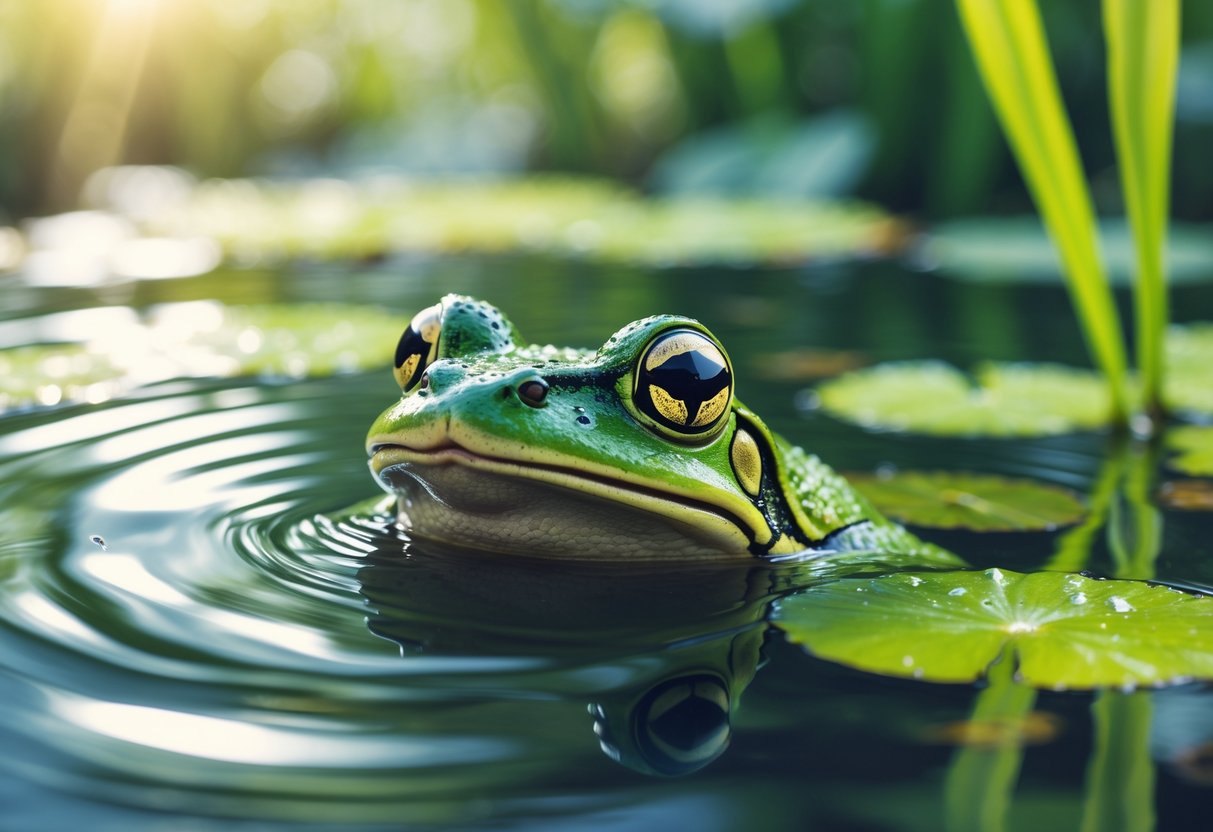
Frogs use lungs to breathe, just like you do, so they need to reach the surface for air. Some frogs can hold their breath for a bit, but they still have to come up regularly to get enough oxygen.
Understanding this makes it easier to figure out why your frog acts the way it does. Plus, it’s a big reason why their tank or pond setup has to be just right.
Why Frogs Need to Surface for Air

Frogs have more than one way to breathe, but they still come up for air. Their skin soaks up some oxygen underwater, but honestly, that’s not enough.
Different frogs depend on their lungs for most of their oxygen, so surfacing isn’t optional.
Frog Breathing Adaptations
Frogs breathe in two main ways: through their lungs and their skin. When they’re underwater, their skin absorbs oxygen from the water. This only works if their skin stays moist and the water has enough oxygen.
Your frog’s lungs work a lot like yours, just smaller and simpler. They don’t have all those tiny air sacs mammals have. Instead, frogs kind of gulp air into their lungs using their mouth.
They have to come up to the surface and breathe in through their nostrils.
African dwarf frogs and African clawed frogs spend their whole lives in water, but they still need to surface for air. The skin helps, but the lungs take over when they’re active or stressed.
Difference Between Aquatic Frogs and Other Frogs
Aquatic frogs, like African dwarf frogs, hang out in water almost all the time. They breathe through their skin underwater, but their lungs still need air from above the surface.
Land frogs use their lungs more. Since they live out of water, their skin just helps a bit with breathing and staying moist, but the lungs do most of the work.
Aquatic frogs have figured out how to use both methods as best as they can.
Dwarf frogs come up often, especially when they’re busy swimming around. When they’re resting, they rely more on their skin, but they’ll still pop up to the surface to grab some air.
Species Variations in Lung Use
Not every frog uses its lungs the same way. Tadpoles start with gills and then grow lungs as they get older.
African clawed frogs have strong lungs for breathing air, but they rely a lot on skin breathing when they’re sitting still.
African dwarf frogs also need air a lot because their lungs aren’t big enough to keep up all the time. Frogs that live mostly on land pretty much use their lungs for almost everything.
If your frog’s really active, it’ll use its lungs more and come up to the surface more often. Some frogs just need more air, depending on their species and where they live.
For more about why African dwarf frogs surface so much, check out African dwarf frogs keep coming up for air.
How Often Frogs Come Up for Air and What Affects It

Frogs need to come up for air regularly because they use lungs like land animals. The time between surfacing changes based on their environment and health.
If you watch how often your frog comes up, you can get a sense of whether it’s feeling good or not.
Frequency of Surfacing in African Dwarf Frogs
African dwarf frogs usually come up for air every 5 to 10 minutes. They have lungs and gills, but they can’t get enough oxygen just from the water.
Sometimes they hold their breath a bit longer, but that’s not normal for them.
If your frog surfaces way more or way less than usual, something might be off. Young frogs come up more often because they burn through energy faster and need more oxygen.
Factors: Water Temperature and Water Quality
Water temperature makes a big difference. Warmer water gets frogs moving, so they need more oxygen and come up more often.
Cooler water slows them down, so they don’t surface as much.
Water quality matters a lot. If the water’s dirty or low on oxygen, your frog will need to come up for air more often.
Good filtration and regular water changes make a huge difference for their health.
Activity Level and Age Influence
When your frog’s active—maybe exploring or hunting—it’ll need more oxygen and surface more often.
At night, African dwarf frogs get the most active, so you’ll probably notice them coming up more.
Age changes things too. Young frogs need more oxygen and come up for air a lot.
As frogs get older, their metabolism slows down, and they can stay underwater longer.
Signs of Respiratory Distress
Is your frog gasping at the surface? Maybe it’s just sitting there, barely moving, or acting way too weak for comfort. These things usually mean something’s off.
Lethargy or weird behavior often suggests your frog isn’t getting enough oxygen, or maybe it’s just stressed out. Take a look at the water quality and make sure the filter’s working properly.
If you spot these signs, check the environment right away or ask a vet for help—better safe than sorry.
For more detailed care tips, check out this guide on how often African dwarf frogs come up for air.


