
So, do frogs live in pairs? Well, that really depends on the species and what they’re used to in the wild. Some frogs seem to love company, while others just want their own space.
For a lot of frogs—African dwarf frogs come to mind—living in pairs or even groups feels natural. It actually helps them stay active and feel secure.
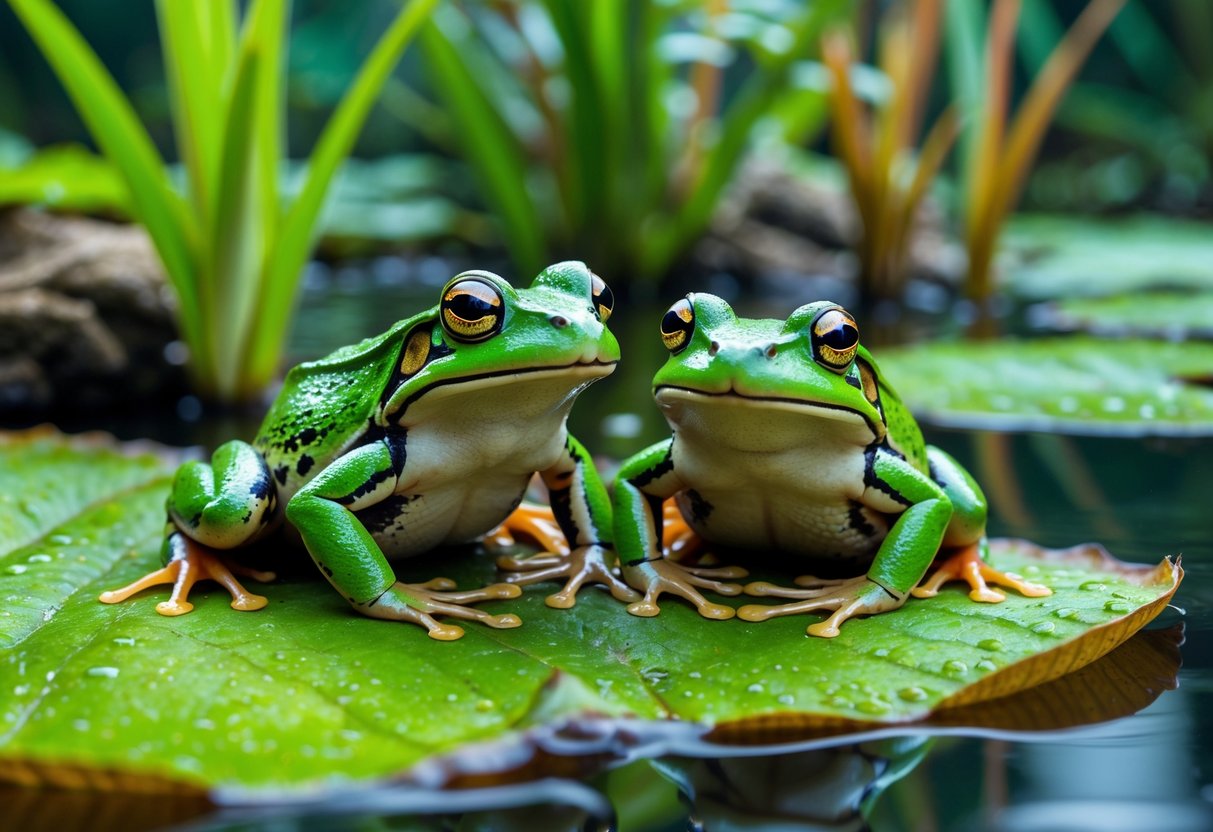
When frogs hang out together, you’ll probably notice them interacting with gentle touches or quiet sounds. This kind of social behavior can really impact their happiness and how they act in your care.
But not every frog needs a buddy. Some do just fine on their own, as long as their environment is set up right.
Figuring out if your frog could use a friend helps you create a better home for it. That way, it stays healthy and maybe even a little happier.
Curious which frogs like pairs? Let’s dig in and see if your frog might enjoy some company.
Do Frogs Live in Pairs in Nature and as Pets?
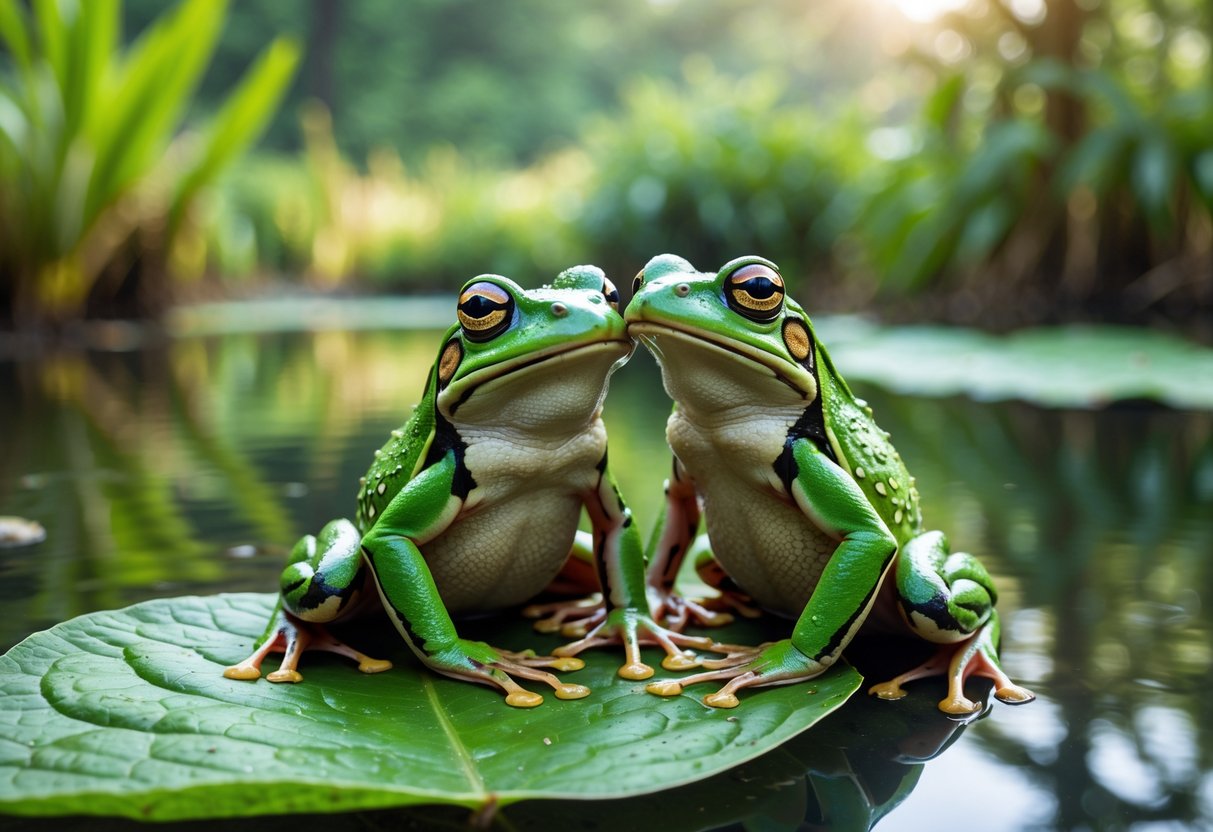
Frogs have all kinds of lifestyles, and it really comes down to their species. Some are social and do well in groups, while others just want to be left alone.
How frogs act in the wild can give you clues about what they need as pets.
African Dwarf Frog Social Behavior
African dwarf frogs come from Central Africa, and they’re pretty social. In their natural habitat, you’ll find them hanging out in groups.
They stick together in ponds or slow-moving water. You’ll see them pretty close to each other most of the time.
These frogs love having companions. They use sounds and little body movements to communicate, which helps them find mates and stay safe.
Since they’re aquatic, they spend nearly all their time underwater, popping up for air now and then. When they’re around others, they seem less stressed and act more naturally.
If you keep African dwarf frogs as pets, it’s a good idea to have at least two. They’re more active and seem to feel safer with company, which honestly makes your tank more fun to watch.
Benefits of Keeping Frogs in Pairs
When you keep frogs in pairs or small groups, you’ll notice some clear benefits. For social frogs like African dwarf frogs, having friends helps them avoid loneliness.
You’ll catch them doing more natural things, which is way more interesting to observe.
Pairs can help keep aggression in check. In some species, males might compete, but if you balance the number of males and females, things usually stay calm.
Multiple frogs in a tank encourage each other to eat and move around more, so they tend to stay healthier.
If you’re setting up a tank for African dwarf frogs, aim for about 1-2 gallons of water for each one. Don’t forget to add hiding spots—those really help them feel safe.
Living in Groups Versus Solitary Life
Not every frog enjoys company. Some species just want their own space and can get stressed or even aggressive if you crowd them.
It’s important to know your frog’s natural habits before you set up their home.
African dwarf frogs thrive in groups. But others, like some tree frogs or pixie frogs, would rather be alone or have as little contact as possible.
If your frog prefers being solo, it’s usually best to keep it that way to avoid stress or fights. But for group-loving frogs, make sure you give them enough space and places to hide so everyone gets along.
Here’s a quick look at what different frogs prefer:
| Frog Type | Social Preference | Space Per Frog | Notes |
|---|---|---|---|
| African Dwarf Frog | Social, lives in groups | 1-2 gallons of water | Best kept in pairs or groups |
| Pixie Frog | Mostly solitary | 10 gallons each | Males usually aggressive |
| Tree Frogs (various) | Varies | At least 10 gallons | Some live in groups, some don’t |
If you know your frog’s social style, you can set up a tank that keeps everyone happy.
Caring for Frogs in Pairs: Practical Tips for Pet Owners
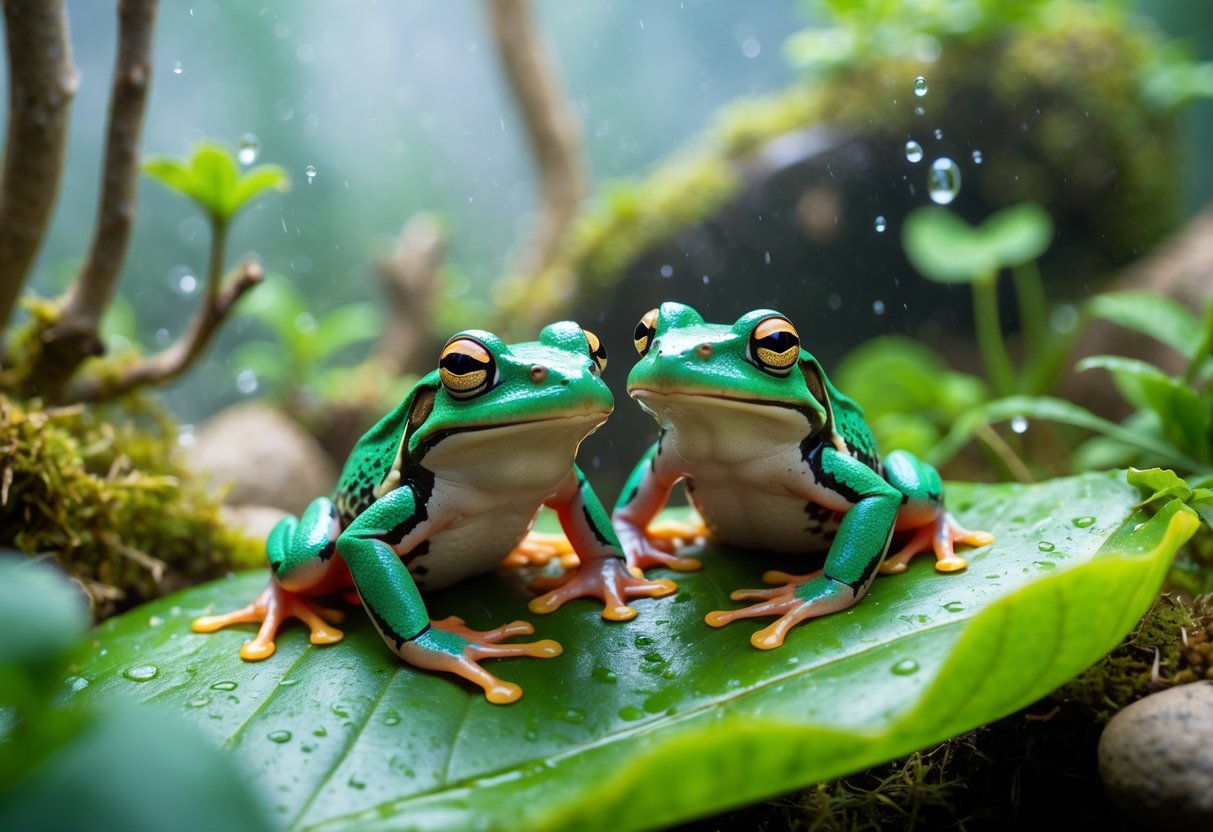
If you want to keep frogs in pairs, focus on making their home comfortable and making sure they get along. A few tweaks to your routine can really boost their happiness.
Tank Setup for Paired Frogs
Give African dwarf frogs enough space when you keep them together. Honestly, 5 gallons of water per frog is a safe bet to keep things from getting crowded.
Add plenty of plants, hiding spots, and decorations. That way, each frog has a spot to retreat to if it needs a break.
Keep the water clean with a good filter. African dwarf frogs like it warm—75-80°F is ideal—so you might need a heater if your room gets chilly.
They don’t really need special lighting, but a simple day-night cycle helps them stick to their natural rhythms. Skip the UVB lamps; they’re not necessary for these guys.
Managing Frog Compatibility
Not every frog will get along with every other frog. If you’re pairing African dwarf frogs (people call them ADFs), try to choose frogs that are about the same size and have similar temperaments.
Watch how they act together. If you spot any signs of fighting or stress, add more hiding spots or, if things get rough, separate them.
African dwarf frogs tend to get along in groups in the wild, so pairs usually work out if you set up their space right. Don’t mix them with bigger, aggressive fish or tankmates that might pick on them.
It’s smart to quarantine any new frogs before adding them to your tank. That helps keep everyone healthy.
Health and Enrichment in Paired Frogs
Go ahead and give your paired frogs a balanced diet—think live or frozen foods like bloodworms or brine shrimp. I usually feed mine every couple of days, in small amounts, just to make sure they don’t get overfed.
Change their water regularly to keep things clean and help them stay healthy. If you notice them acting sluggish or spot changes in their skin, it might be time to call a vet.
Switch up their tank layout now and then, or toss in a new decoration. It’s a simple way to keep them curious and more active.
Try not to handle your frogs much, since their skin’s pretty sensitive. If you have to move them, just be as gentle as possible and keep their stress low.


