
You’ve probably heard someone say frogs bring good luck, but what’s up with that? Frogs show up as symbols of good fortune because people tie them to water—think life, renewal, and abundance. Across the world, folks believe frogs bring prosperity and positive vibes into your home or just your life in general.
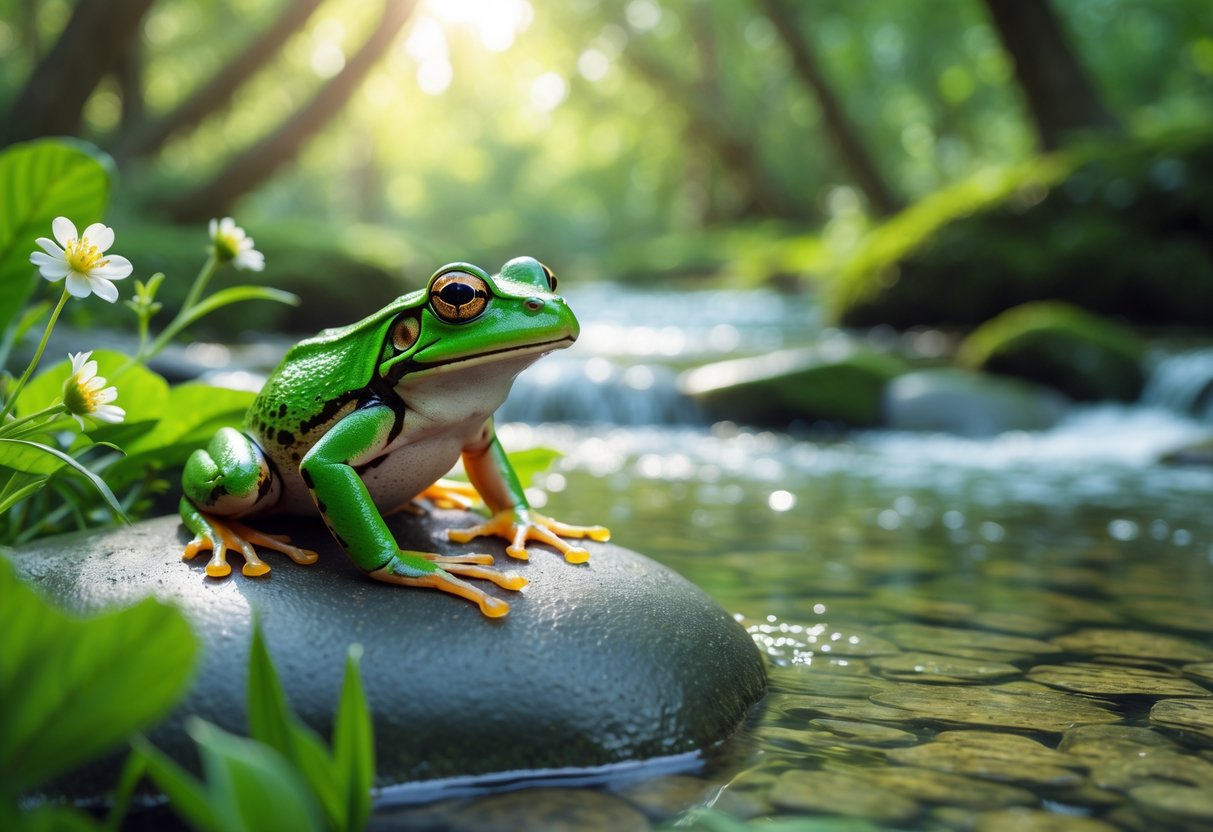
If you spot a frog or set a frog figurine somewhere, it could mean new doors are about to open or that wealth is on its way. Old stories and traditions link frogs to growth, change, and sometimes even a bit of spiritual wisdom.
It’s kind of fascinating how frogs ended up with this special reputation as lucky creatures.
Want to know more about why frogs get such a lucky reputation? Stick around for some simple tips and weirdly interesting facts you might not expect.
The Symbolism and Origins of Frog Good Luck

People have connected frogs to good luck for ages. Their links to fertility, wealth, and water help explain why so many cultures see them as signs of positive change.
You’ll spot frogs in stories, art, and traditions all over the globe, each giving them a little more lucky magic.
Historical Beliefs About Frogs and Fortune
Frogs have carried the “good luck” label for centuries. In ancient Egypt, people saw frogs as symbols of fertility and fresh starts.
They’d show up after rainstorms, which meant new life and growth were on the way.
Other cultures saw frogs as protectors or even healers. The Celts, for example, believed frogs had special healing powers and could control the earth somehow.
So, frogs weren’t just lucky—they were important for well-being too.
When you saw a frog, it often meant abundance or success might be coming. That idea probably started because frogs played a big role in nature and early survival.
Frogs in Mythology and Folklore
Frogs pop up everywhere in myths and folktales. Lots of stories say frogs can turn bad luck around or help people out of tough spots.
Some legends even tell of frogs turning into princes—total transformation and new beginnings, right?
In Native American stories, frogs sometimes acted as guardians. They stood for wisdom and the power to heal.
People also connect frogs to cycles, like the changing seasons. That just adds to their reputation as symbols of hope and renewal.
No wonder so many folks consider them lucky.
Connection Between Frogs and Water as Life
Frogs need water, and that’s a big part of why people see them as lucky. Water means life, growth, and cleaning away the old.
Since frogs hang out where water is, people used to spot a frog and think, “Hey, there must be water nearby!”—which could be a lifesaver.
That made frogs a sign of luck and plenty.
Water also has strong ties to emotions and healing. So, frogs can mean more than just physical luck—they hint at emotional renewal too.
How Lucky Frog Charms Are Used Around the World
People love their lucky frog charms in all kinds of cultures. In Feng Shui, the three-legged frog is supposed to bring in wealth and good fortune.
You’ll see folks put these charms near doors or on cash registers to attract money.
In Spain, there’s this giant bronze frog statue by a Madrid casino, surrounded by other lucky symbols. That frog stands for fortune and the hope that good times are coming back.
Lucky frog charms show up as keychains, little statues, or even jewelry. People keep them around to invite luck, protect their homes, or just remind themselves to keep growing and changing.
Common uses of lucky frog charms:
| Use Case | Meaning |
|---|---|
| Near doorways | Welcomes good fortune |
| On desks | Attracts wealth and success |
| In gardens | Represents abundance |
Honestly, adding a lucky frog charm to your space is a pretty easy way to keep a little hope close by.
Modern Lucky Frog Traditions and Global Examples

People still see frogs as lucky in all sorts of places today. Frog charms and statues are everywhere, meant to invite wealth, success, and good energy.
It’s cool to see how the meaning of frogs has grown from old stories into something that fits modern life.
Feng Shui Frog: Wealth and Prosperity in the Home
In Feng Shui, people call the lucky frog the “Money Frog” or “Three-Legged Toad.” You’ll usually spot it with a coin in its mouth, which screams wealth and financial luck.
To use it, just put the frog near your front door or in the wealth corner of your home. That’s usually the far left corner from your entrance.
The idea is, it draws money in and keeps it from slipping away.
A lot of folks believe the frog works best when you keep it clean and take care of it. If you’re hoping for a little extra luck at home, placing a Feng Shui frog could be a fun, simple step.
You can read more about this at Feng Shui frog charm’s wealth symbol.
Frog Statues and Charms in Contemporary Culture
These days, frog statues, keychains, and charms are still super popular as symbols of luck. They stand for transformation, new chances, and even protection.
People put frog statues in their homes or offices to remind themselves of growth and positive change. You’ll also see frog charms in jewelry or as small gifts for hope and success.
Designs with frogs holding coins or sitting on piles of cash are everywhere. They’re all about inviting wealth and good fortune into everyday life.
Lots of people use them as little reminders to face challenges head-on and welcome whatever changes come next.
Madrid’s Lucky Frog Sculpture
Madrid’s lucky frog has found a special spot in the city—a public sculpture that both locals and tourists seem to enjoy. This quirky statue has turned into a symbol of good luck for Madrid.
People often say that if you touch the frog, you might get a bit of good fortune. It’s almost a mini-ritual now; folks pause by the statue, hoping for a boost of positive energy before they dive into a new day or project.
This frog sculpture really feels woven into Madrid’s cultural identity. It’s kind of cool how the idea of a lucky frog pops up in so many countries, but here it’s right out in the open, not just in stories.
If you’re curious about how frogs became good luck symbols around the world, check out Madrid’s lucky frog and beyond.


