
Ever noticed frogs croaking up a storm outside after dark? It’s hard not to wonder what’s going on. When frogs get loud at night, they’re usually trying to talk to each other—mostly to attract mates or claim their turf. The stillness of the night lets their voices travel farther, so they can reach other frogs more easily.
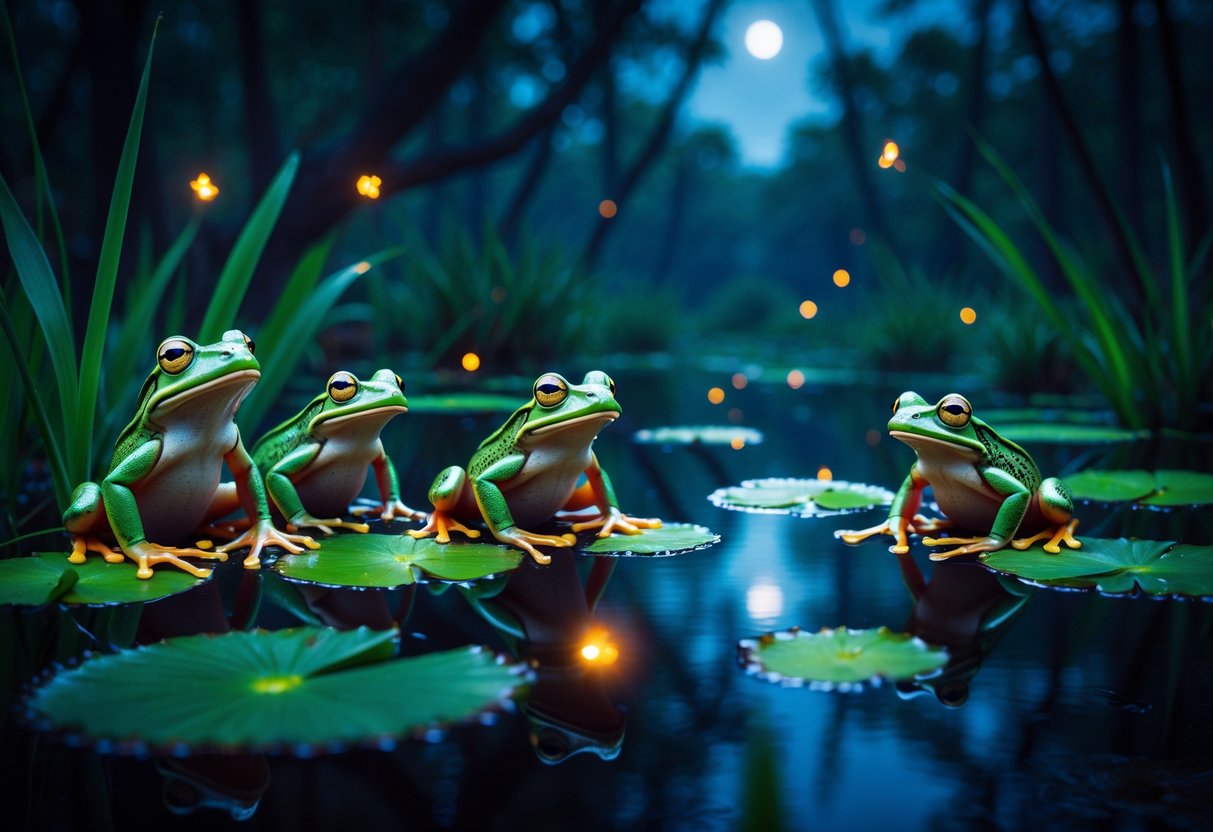
Frogs also croak to warn off rivals or shout about danger. You’ll hear different sounds depending on which frog’s making noise and what it wants—sometimes it’s a love song, sometimes it’s a warning.
So, those nighttime frog concerts? They’re actually pretty important social events for frogs.
Understanding why frogs make such a racket at night might just help you appreciate those sounds outside your window. Once you know what’s behind all that croaking, maybe you’ll listen a little closer the next time nature puts on a show. If you’re curious, here’s an article about frogs’ loud nighttime calls.
Why Frogs Are Loud at Night
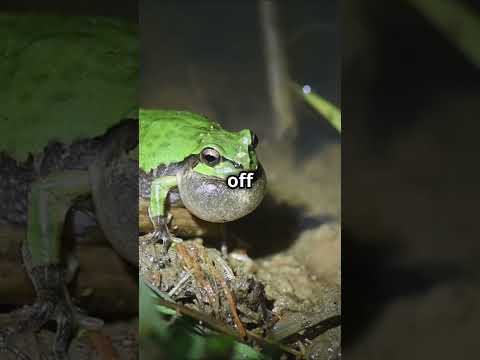
When frogs get noisy after sunset, they’re doing more than just filling the air with sound. Their calls help them talk to each other, find mates during the breeding season, and take advantage of the quieter, safer nights.
Different frog species throw their own unique sounds into the mix.
Communication Through Frog Calls
Frogs use their calls to share important info. Male frogs send out signals that say who and where they are.
These calls let them claim a patch of territory and tell rivals to back off.
You might even notice frogs answering each other. This back-and-forth croaking helps them keep tabs on neighbors or spot threats nearby.
Every species has its own voice, but they all use sound to show strength and health.
Since frogs are most active at night, their calls carry better without all the daytime noise. That makes it easier for them to connect and stay safe.
Frog calls aren’t just random noise—they’re a lifeline for these little amphibians.
Mating Calls and Breeding Season Behavior
Most of the loud croaking you hear at night comes from male frogs hoping to catch a female’s attention. During breeding season, usually spring, males sing to show they’re ready to mate.
These calls are basically frog dating profiles. The louder and stronger the croak, the healthier the male seems.
Bullfrogs, for example, can belt out some of the loudest, longest calls you’ll hear.
Frogs usually wait for calm, still nights because their calls carry farther then. After a good rain, you’ll probably hear an even bigger chorus—moisture and warmth get frogs in the mood.
Mating calls are crucial for bringing the next generation of frogs into the world.
Reduced Predation During Nighttime
Frogs pick nighttime for their noisy gatherings because it’s just safer. Most of their predators aren’t out hunting after dark, so frogs can let loose without risking too much.
At night, there’s less competition from other animals—no birds or loud insects to drown them out. That means their calls stand out.
By croaking after sunset, frogs keep themselves safer while still getting their messages across. Honestly, it’s a pretty clever move.
Frog Species and Their Unique Nocturnal Sounds
Frogs don’t all sound the same. Different species have their own croaks, peeps, or trills that turn a quiet pond into a wild nighttime symphony.
Bullfrogs, for instance, boom with deep, rumbling croaks. Tree frogs prefer high-pitched, rapid calls.
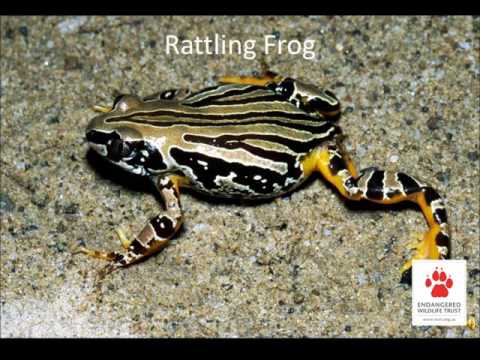
Toads? They rattle or trill, which is hard to miss.
It can actually be fun to try picking out which frog is which. Some call from the water, others from trees or rocks nearby.
Each frog uses its own sound to fit its environment. That’s why frog nights are packed with so many different voices, all working to survive and find a mate.
If you want to dive deeper, check out 7 Loud Frogs at Night You Might Be Hearing.
Environmental and Ecological Factors Influencing Loud Frog Calls
Lots of things shape how and when frogs call at night. Where frogs live, the weather, and even what their calls tell us about the local environment all play a part.
Role of Wetlands and Habitats
Wetlands are prime real estate for frogs wanting to be heard at night. These spots offer water, shelter, and food for all kinds of frogs.
You’ll notice frogs in ponds, marshes, or swamps tend to call more—the water really helps their voices carry.
Different frogs like different habitats. The quality of their home affects how often and how loudly they call.
If a wetland’s healthy, frogs feel safe to croak and look for mates. But when the habitat takes a hit, you might hear fewer calls because there aren’t as many frogs around, or they’re just stressed.
Effects of Temperature, Humidity, and Rain
Temperature and humidity make a big difference in frog calling. When it’s warm, frogs get more active and croak louder and more often.
Cold weather slows them down, so you won’t hear as much noise.
High humidity helps sound travel, so frog calls come through clearer and louder. Rain is a big deal too.
After a rainstorm or during wet spells, frogs get especially vocal because water is so important for breeding. Water lets their calls travel, and the chorus at night gets even wilder.
Indicators of Ecosystem Health
Loud frog calls actually reveal quite a bit about how healthy your local ecosystem is. Frogs react quickly to pollution and even small changes in their surroundings, so when you hear an active, noisy frog chorus, it usually points to a balanced, thriving habitat.
But what if those calls suddenly fade or stop altogether? That’s often a red flag for water pollution, habitat loss, or other issues. Frogs really do need clean water and stable wetlands, so their voices naturally signal how the environment’s holding up.
Try watching and listening to frogs around you—it’s a surprisingly simple way to check if local wetlands and amphibians are doing okay, or if they might need a little help.
For more on how environments influence frog sounds, see Environmental and morphological constraints interact to drive the evolution of frog calls.


