
Ever wondered where frogs live? The answer might surprise you—frogs actually show up in all sorts of places around the world. They belong to the amphibian family called Anura, which includes frogs and toads.
Most frogs hang out near water sources like ponds, lakes, streams, and wetlands. But you’ll also find them in rainforests, woodlands, deserts, and sometimes even your backyard.
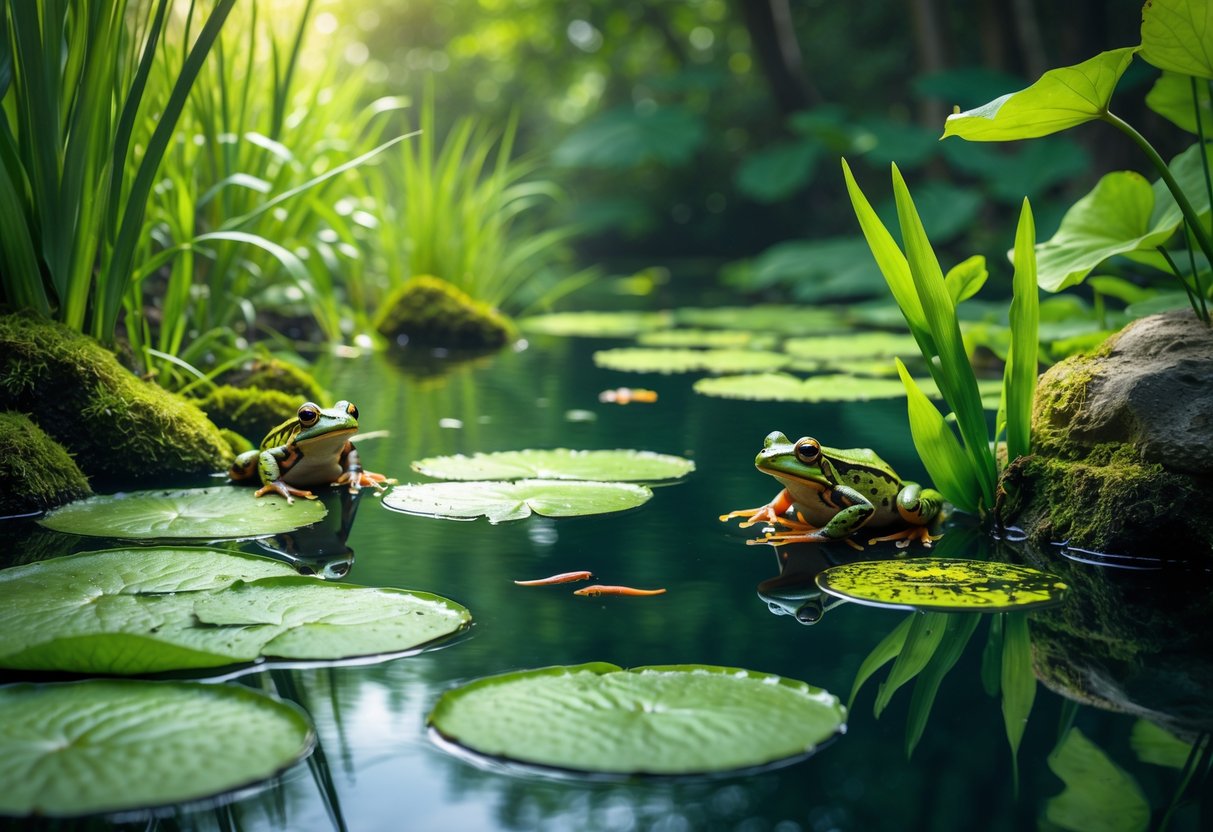
Frogs need three main things: enough food, fresh water, and a safe spot to lay eggs. That’s why you rarely see them too far from water. Even in deserts, some frogs hide underground for most of their lives.
Some tree frogs actually live way up in forest trees. They really show how adaptable amphibians can get.
When you know where frogs live, you start to see how important they are for nature—and why we should protect them. If you’ve ever heard those croaks near a pond or spotted a toad hopping through your yard, you’re closer to frogs than you might think.
Let’s take a closer look at their habitats and why these places matter for frogs and toads.
Habitats of Frogs Around the World

Frogs live in all kinds of places, each with its own quirks. They need water to survive and spots to hide out. You’ll find them in wet areas, forests, and even dry places where only the toughest frogs make it.
Freshwater Wetlands and Ponds
Freshwater wetlands—think ponds, marshes, and swamps—work great as homes for many frog species. These places offer plenty of bugs and small critters to eat.
You’ll spot green frogs, African dwarf frogs, and true frogs hanging out here.
Water in these spots usually moves slowly or not at all, so frogs can lay eggs and swim around safely. Wetlands also help frogs keep their skin moist, which is super important since they breathe partly through their skin.
Because wetlands stay warm and humid, they’re just right for cold-blooded animals like frogs. Some frogs, like the Xenopus, use their webbed feet to swim around better in these watery spaces.
Forests, Jungles, and Trees
If you walk through a rainforest or forest, keep an eye out for tree frogs like the red-eyed tree frog or the tiny glass frog. These guys live high up in the trees, gripping onto leaves and branches with their sticky feet.
Tree frogs, including those wild flying frogs, have special toe pads that help them climb. They can jump from tree to tree, dodging a lot of ground predators.
Some frogs, like the wood frog, stick to the forest floor and have learned to survive cold winters by freezing parts of their bodies. In jungles, you might see colorful frogs like poison dart frogs—their bright colors warn predators to stay away.
Deserts, Grasslands, and Unique Adaptations
You wouldn’t think frogs could handle deserts or open grasslands, but some do just fine. The desert rain frog and burrowing frogs spend most of their lives underground to avoid the heat and dryness.
They come up only after heavy rains to eat and mate.
Grassland frogs usually have brown or green colors to blend in with plants. These frogs stick close to moist spots or hang out by puddles and streams.
Some frogs, like the Darwin’s frog, do some pretty wild stuff to protect their young—males actually carry tadpoles in their mouths. The huge Goliath frog, which is the biggest frog species, lives in Africa and needs big bodies of water to survive.
How Frogs Adapt and Survive in Their Environments

Frogs have some pretty clever ways to grow, change, and stay safe no matter where they live. They go through different life stages, use unique behaviors and body features, and face plenty of challenges from nature and humans.
Getting to know these tricks helps you see how frogs manage to survive.
Life Cycle and Metamorphosis
Frogs start out as tiny eggs that hatch into tadpoles living in water. Tadpoles have gills and tails—they swim and breathe underwater with ease.
As they grow, they slowly change through metamorphosis. Their tails shrink, legs pop out, and lungs form so they can head onto land.
Froglets are young frogs that leave the water, still dragging a bit of tail behind. During amplexus, the male grabs onto the female to help lay and fertilize eggs.
Some frogs, like the rare gastric-brooding frog, did something wild—moms kept eggs in their stomachs to protect them.
This whole life cycle lets frogs survive in both water and land. It also means they really need clean water and safe spots to grow up.
Physical Adaptations and Behaviors
You’ll notice frogs have webbed feet for swimming and strong legs for jumping away from danger. Their bulging eyes give them a wide view of what’s around.
Some frogs use their skin color to hide, while others flash bright colors and poison glands to scare off enemies.
Frogs breathe through both lungs and skin, so they can handle life in water and on land. They also croak—sometimes to find mates, sometimes just to sound intimidating.
Some frogs can even regrow lost limbs, which helps them bounce back from injuries.
All these features and behaviors make frogs pretty well-suited for just about any habitat, from rainforests to deserts.
Environmental Challenges and Conservation
Frogs deal with a lot—pollution, habitat loss, and even climate change. Dirty water hurts tadpoles, and when people cut down forests, frogs lose their homes.
The chytrid fungus has wiped out countless frogs all over the world. It’s a nasty disease, and honestly, it’s heartbreaking to see how much damage it causes.
You can actually make a difference by supporting clean habitats and fighting for wetlands. Conservation groups track frog populations and try to stop these diseases.
If you’re curious, check out how frogs manage to survive with all these challenges. Their physical and behavioral tricks are pretty wild: How Do Frogs Adapt to Their Environment? – The Institute for ….


