
Ever wondered if frogs in the UK are actually poisonous? Well, the answer’s a little complicated.
Some British frogs and toads do make toxins as a defense, but they’re usually not dangerous to humans unless you handle them carelessly or, for some reason, ingest their secretions. If you know which species have these toxins, you can enjoy nature and stay safe at the same time.
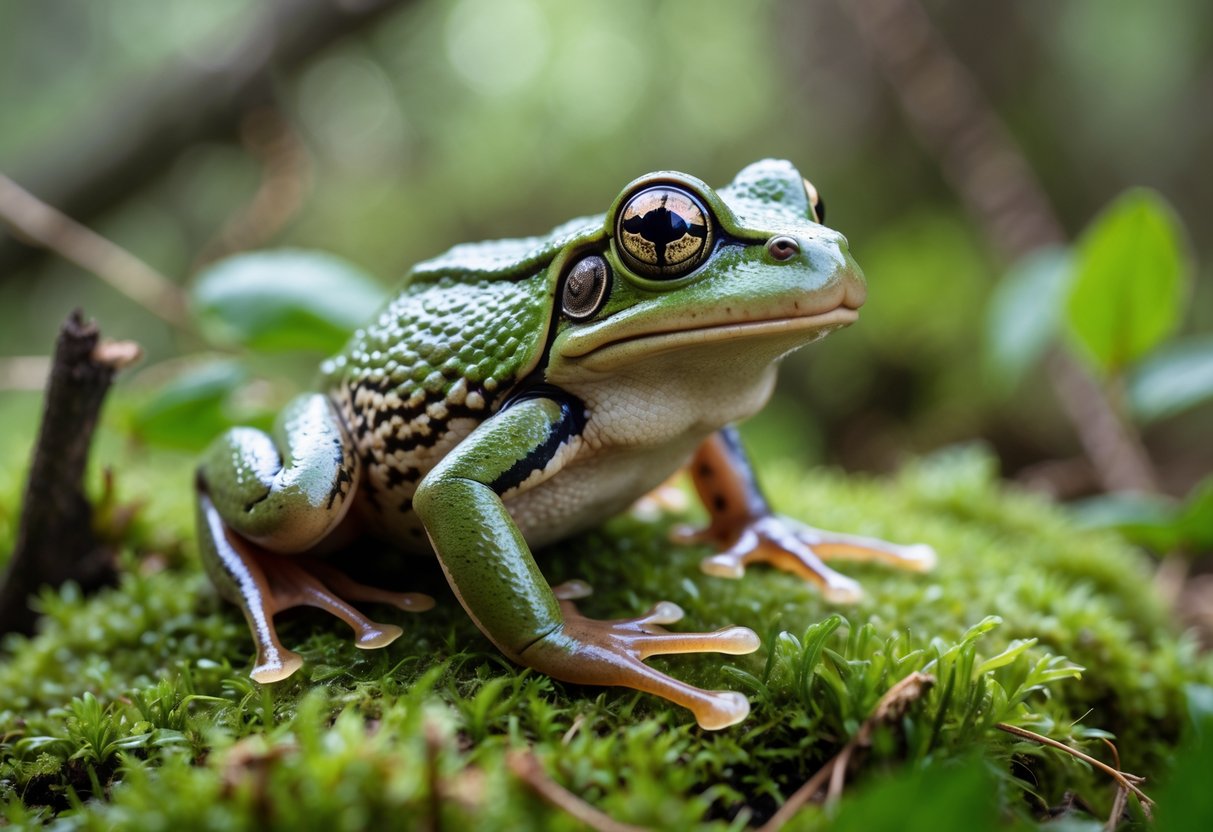
Honestly, it might surprise you, but the common toad is actually more toxic than the common frog. Special glands in toads release a milky toxin.
Usually, these toxins just cause irritation or mild symptoms. Serious harm or death from UK frogs and toads? That’s extremely rare.
When you understand their defenses, it’s easier to appreciate these little creatures without getting too worried.
If you’re curious about which frogs and toads to watch out for and how their toxins work, this guide will help you stay informed. Next time you see one in your garden or out on a walk, you’ll know what to expect.
Are UK Frogs Poisonous?
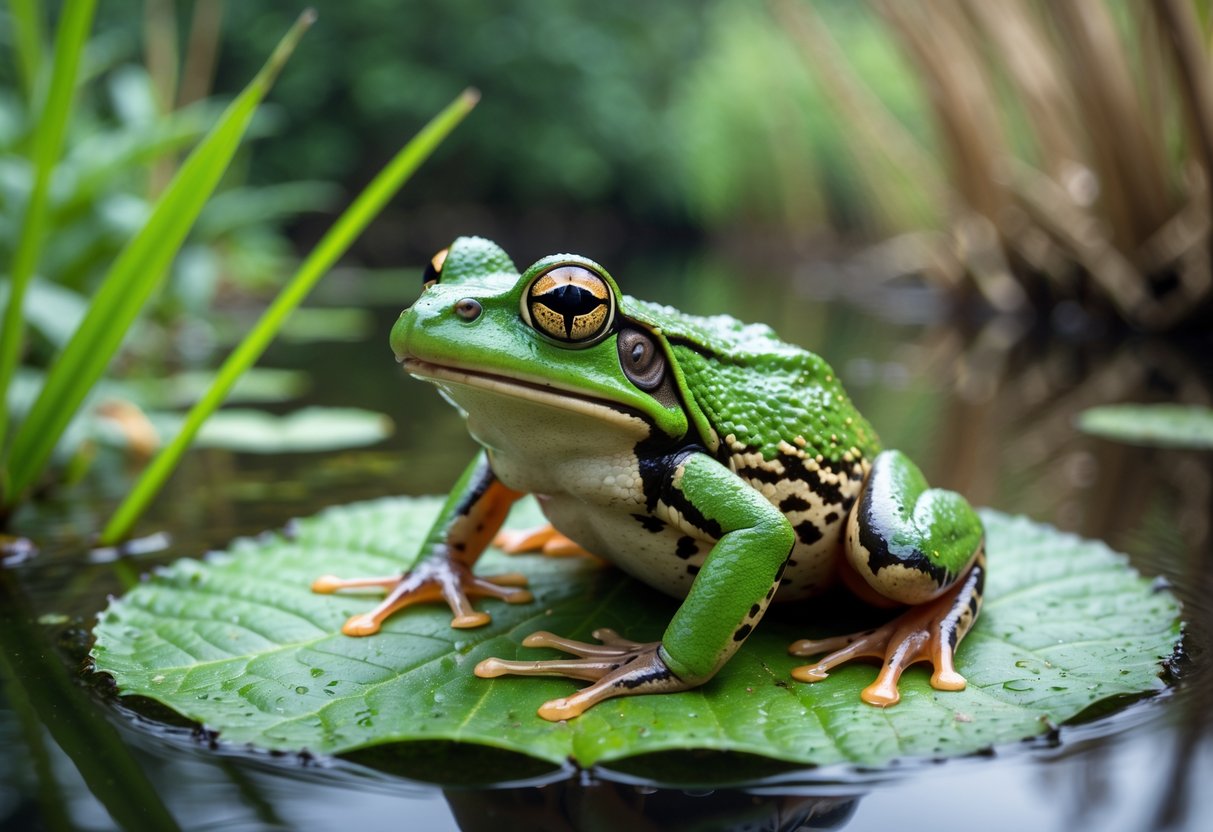
Not every frog or toad in the UK is poisonous, but some do make toxins to protect themselves. Toxicity levels differ by species.
Usually, the effects on humans are mild—unless you get the toxins in your eyes or mouth. It’s good to know which species are more toxic so you can handle them safely.
Toxicity of UK Frogs and Toads
Many UK frogs and toads have mild toxins in their skin. These toxins help keep predators away and can cause irritation or discomfort if you touch or eat them.
Toads often produce a toxin called bufotoxin. If this gets into your mouth or eyes, it can make your skin red, itchy, or even make you feel nauseous.
Most UK frogs are only mildly toxic, if at all. Their toxins aren’t strong enough to cause real harm to people.
But if your dog or cat swallows a frog or toad, things can get more serious. Pets might vomit or have convulsions.
Wash your hands after handling frogs or toads, just to be safe. And try not to touch your face in the meantime.
Differences Between Frogs and Toads in the UK
Frogs and toads look alike, but they’re different—especially when it comes to toxins. Frogs usually have smooth, wet skin, while toads have dry, bumpy skin with lots of glands.
Toads have these parotoid glands just behind their eyes. They release a milky toxin that’s stronger than most frog toxins.
If you get this stuff on your skin or in your eyes, it can irritate you.
Frogs in the UK aren’t as toxic and usually just try to escape quickly. Toads, though, rely on their toxins and rough skin to seem less tasty.
Common Species: Common Frog, Common Toad, and Natterjack Toad
The common frog (Rana temporaria) is everywhere, and it’s not very toxic. Its slimy skin might feel weird, but that’s about it.
The common toad (Bufo bufo) is more toxic. Its parotoid glands give off bufotoxin, which can irritate your skin and eyes.
Try not to handle toads near your face, and definitely don’t let your pets lick them.
The natterjack toad (Epidalea calamita) is harder to find, but it also makes toxins. Its toxins are a bit stronger than the common toad’s.
You’ll find natterjack toads in sandy or coastal spots, and they have a yellow stripe down their back.
If you know these species and what they do, you can respect them and stay safe. Want more details? Check out this info on poisonous frogs and toads in the UK.
Are Garden Frogs Poisonous to Dogs and Other Pets?
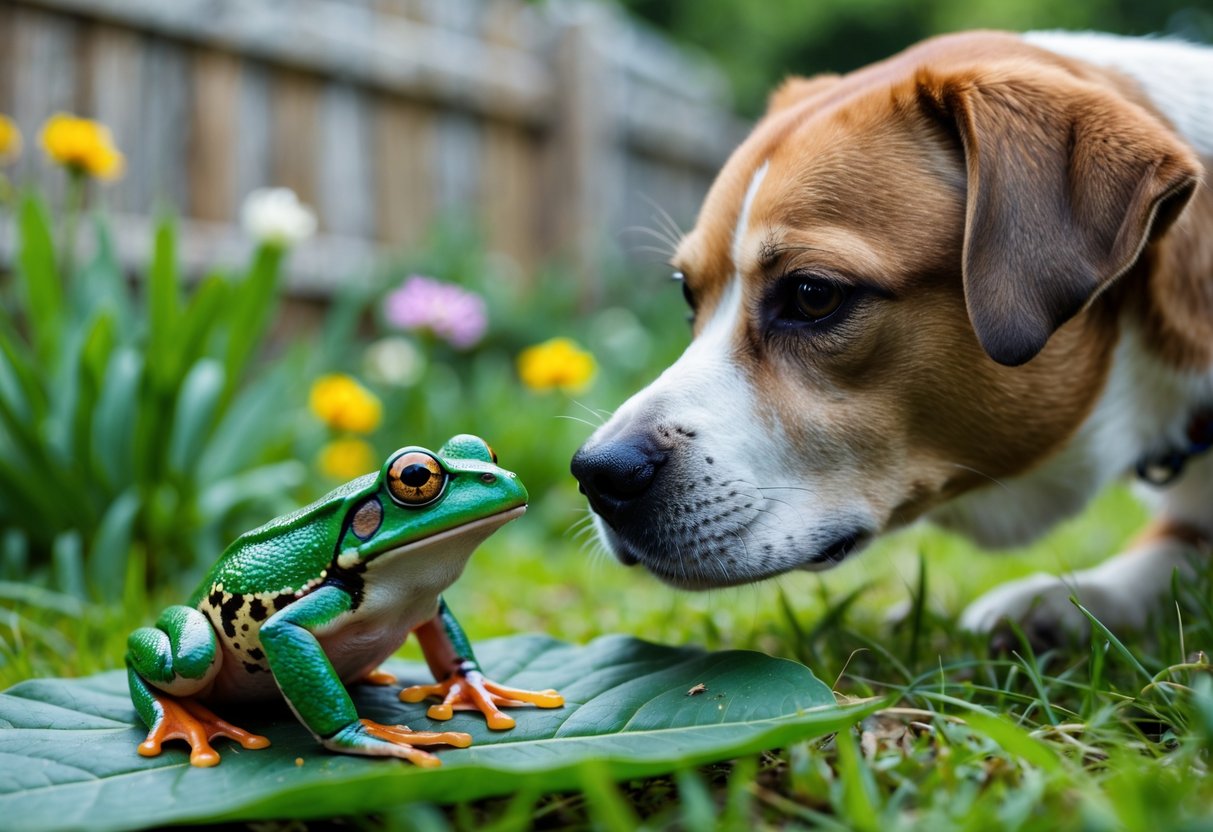
Most garden frogs you spot in the UK won’t hurt your pets. Still, some frogs and especially toads, like the common toad, can make toxins that cause trouble if your dog or other pets try to lick or chew them.
It’s worth knowing the signs and how to keep your pets safe.
Are Garden Frogs Harmful to Dogs?
Most garden frogs in the UK aren’t poisonous to dogs. You can let your dog watch them from a distance without much worry.
The common toad, which you might see in your garden, does have toxins on its skin. Usually, it only causes mild irritation.
Some exotic species, like the cane toad (not native to the UK), are a whole other story. They’re highly toxic to dogs and can cause severe illness or even death if eaten.
You probably won’t run into cane toads here, but it’s good to know if you travel or your pets get exposed to non-native species.
To keep your dog safe, don’t let them eat or bite any frogs or toads they find outside.
Symptoms of Poisoning in Pets
If your pet gets into contact with a toxic frog or toad, watch out for these signs:
- Drooling or foaming at the mouth
- Pawing at the mouth or face
- Vomiting or diarrhea
- Difficulty breathing or rapid breathing
- Weakness, shaking, or seizures
These symptoms can show up fast, so take them seriously.
If you notice any of these, call your vet right away. Quick action can make a big difference.
How to Keep Pets Safe Around Garden Frogs
You can keep your pets safe with a few simple steps.
Always watch your dog when they’re outside, especially near ponds or damp spots where frogs and toads like to hang out.
Keep your dog on a leash if you know there are toxic toads or frogs in the area.
Teach your dog not to pick up or bite frogs. It takes patience, but it’s worth it.
Put up barriers or a bit of fencing around ponds to help keep curious pets out.
If you live somewhere with dangerous species like cane toads, look into special deterrents. Some people use bitter sprays that make dogs think twice.
A bit of caution lets you share your garden with wildlife and keep your pets safe.
Want more details? Check out info on garden frogs poisonous to dogs.


