
Ever wondered if frogs or toads bite when you spot one up close? Well, frogs and toads can bite, but they usually only do so if they feel scared or threatened.
Most of the time, these bites are just gentle nips and aren’t painful or dangerous for people.
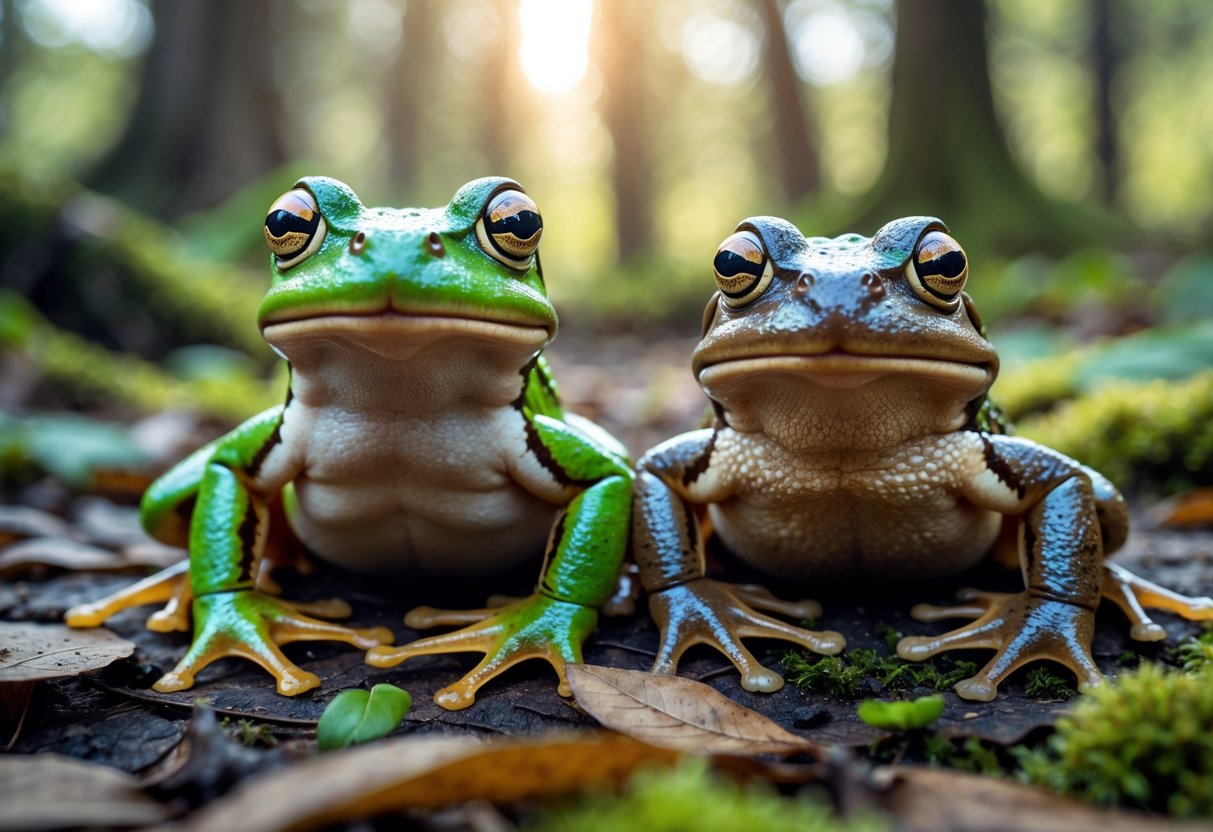
Not all species are likely to bite. Some pets, like Pacman frogs and African bullfrogs, can actually give a stronger bite if you provoke them.
If you know when and why they bite, you’ll have a better shot at keeping both yourself and the frogs safe—and honestly, that makes hanging out with them a lot more fun.
Do Frogs Or Toads Bite?

Frogs and toads can bite, but they do it mainly when they’re scared, startled, or confused.
Some species bite more often than others, and the bite can range from a little pinch to something a bit stronger.
If you get why they bite and how bad it might be, you’ll handle them more safely and avoid surprises.
Key Differences Between Frogs and Toads
Frogs and toads might look similar, but there are some clear differences. Frogs usually have smooth, moist skin and stick close to water.
Toads? They tend to have dry, bumpy skin and hang out more on land.
Both fall under the same scientific order, but “toad” usually means frogs from the Bufonidae family. This family has special skin glands that make toxins to keep predators away.
As for biting, there isn’t much difference between frogs and toads. Both can bite if they’re scared, but neither really tries to hurt you.
Which Frog Species Are Known to Bite?
Some frogs are just more likely to bite because they’re bigger or have a certain attitude.
Bullfrogs—especially African Bullfrogs—have strong jaws and can deliver a pretty noticeable bite.
Pacman frogs sometimes mistake your fingers for food, so they might chomp your hand at feeding time. Horned frogs have sharper teeth and can bite harder than most.
Smaller frogs usually have tiny teeth that just feel like a little pinch. Budgett’s frogs and other big frogs might hang on a bit longer, but they can’t really do serious damage.
Why Do Frogs Bite?
Frogs bite mostly when they feel threatened or stressed out.
If you suddenly grab or touch them, they might bite to defend themselves.
They can also bite by accident when they’re eating. Pacman frogs, for example, react fast and might grab your fingers if they think you’re offering food.
Sometimes, frogs bite other frogs to compete for food or space. It’s just part of their natural behavior—a way to communicate or protect themselves.
Are Frog Bites Harmful or Painful?
Most frog bites aren’t harmful or very painful. Their teeth are small and mainly help them hold onto food, not break your skin.
You might get a scratch or a little irritation, especially with bigger frogs like bullfrogs or horned frogs. These bites can feel uncomfortable but almost never cause real harm.
Some frogs have skin toxins that can irritate if they get into a bite or on your skin. Poisonous or venomous frogs use toxins for protection, but bites from these types are rare and definitely need careful attention.
If a frog bites you, wash the area with soap and water and keep an eye out for infection. If you have an open wound, it’s smart to check in with a doctor just in case.
Want more info? You can read about do frogs bite.
Understanding Frog Teeth and Biting Behavior

Frogs have small teeth, but their teeth and how they bite really depend on the species.
Some frogs use their teeth just to hold prey, while others can actually give you a stronger bite.
If you know what kind of teeth a frog has, you’ll have a better idea of whether it might bite and what that bite could feel like.
Do Frogs Have Teeth?
Yep, most frogs do have teeth. Usually, they have tiny, sharp teeth on the upper jaw and sometimes on the roof of their mouth.
These are called vomerine teeth. Frogs use them to grip prey, not to chew.
Frogs don’t have teeth on their lower jaw. Instead, they rely on a strong tongue and those upper teeth to catch and hold food.
Their teeth are really for holding, not for biting hard or causing pain.
Some frogs, like the common frog, have such small teeth you might not even notice them. Others, like the Pacman frog, have stronger teeth and can give a harder bite if they’re scared.
Types of Frog Teeth
Frogs mainly have two types of teeth:
- Maxillary teeth run along the upper jaw.
- Vomerine teeth sit farther back and help hold onto prey.
Vomerine teeth matter because they stop prey from escaping while the frog swallows. Frogs don’t chew; their teeth just help catch and hold food.
Some frogs, like poison dart frogs, don’t have teeth at all. They use other tricks to catch their meals.
You won’t find teeth on every frog, so it really depends on the species.
Frog Bite Force and Notable Species
Most frogs barely manage a weak bite, and honestly, it’s not enough to hurt anyone. Their tiny teeth just can’t do much damage.
But then you’ve got species like Pacman frogs and Budgett’s frogs—these guys have bigger mouths and a noticeably stronger bite. If one of them grabs your finger, it might sting a bit, but it’s not really dangerous.
Pacman frogs especially stand out for their wide mouths and surprisingly strong bite force. They actually use their teeth to catch bigger prey, and if they feel threatened or you handle them too roughly, they might just snap at you.
If you ever handle frogs, keep in mind that some species secrete toxins from their skin. It’s always a good idea to wash your hands afterward to avoid any irritation or unwanted exposure.
Curious about which frogs have strong bites or just want more info? Check out frog teeth and biting behaviors for more details.


