
If you have a pet frog or you’re thinking about getting one, it’s really important to know what they shouldn’t eat. Frogs have pretty specific diets and definitely can’t eat just anything you might guess.
They can’t eat plant matter, processed foods, dead insects, or anything too large or toxic—these things can actually hurt or even kill them.
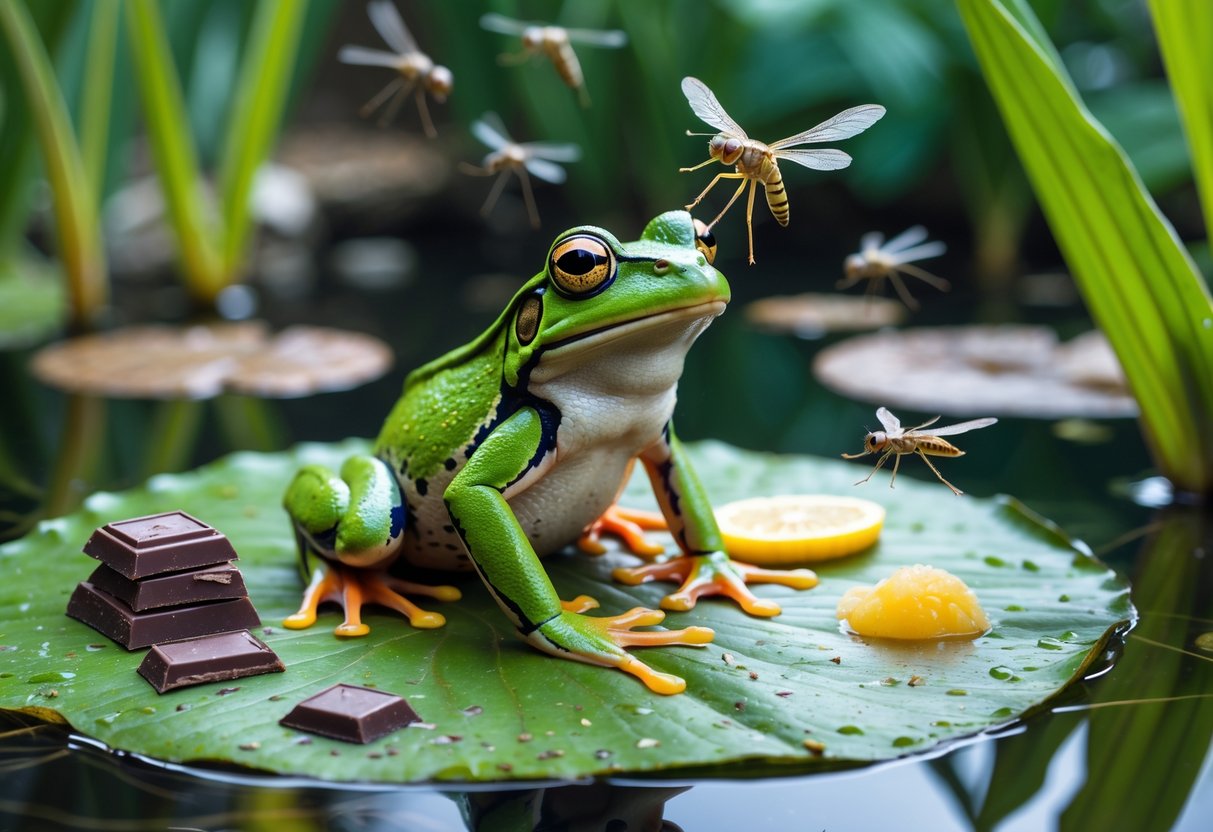
Frogs rely on live, moving prey like insects to trigger their hunting instincts and get the nutrients they need. If you feed them the wrong stuff, they can get seriously sick.
You should understand these limits to keep your frog healthy and happy. This guide breaks down what foods you should never give your frog and why some things are just unsafe.
Honestly, knowing what not to feed your frog matters as much as knowing what they should eat. If you want more info, check out this comprehensive frog diet guide.
Foods and Substances Frogs Cannot Eat
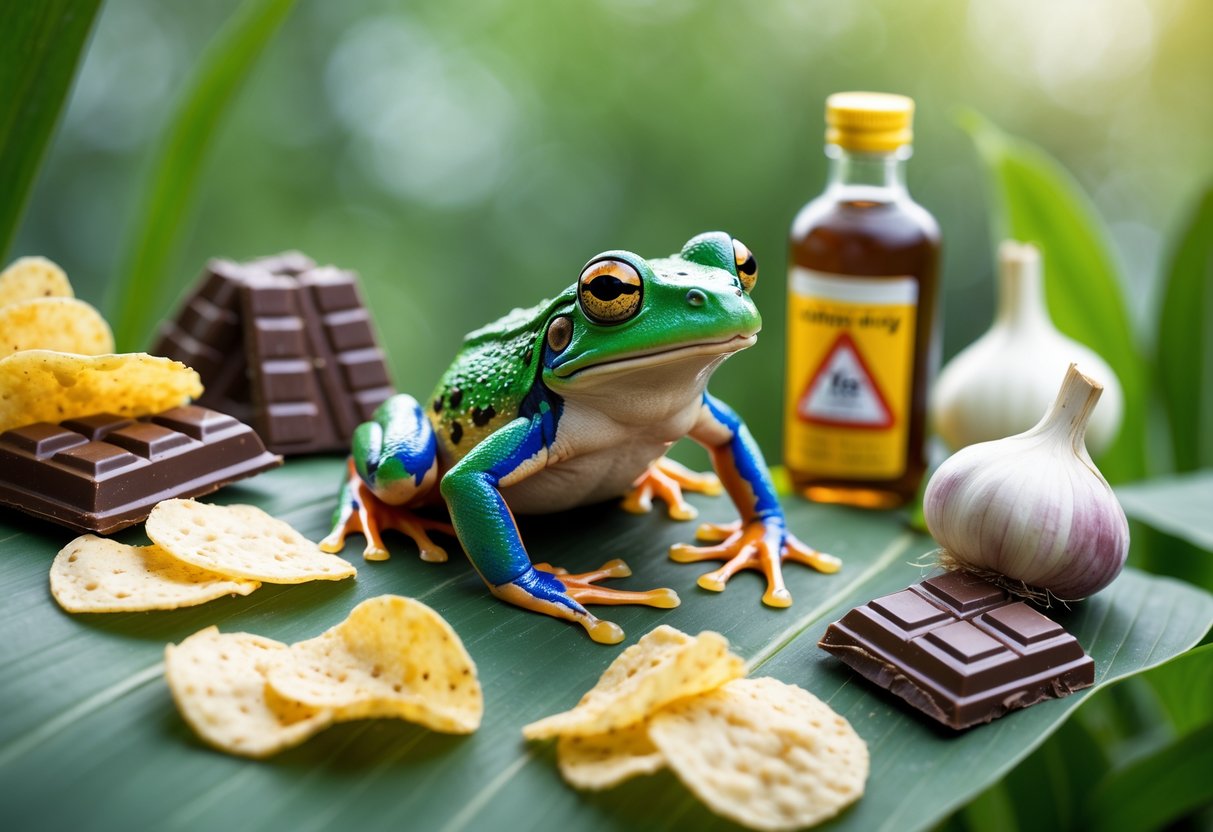
Certain foods can really harm your frog or cause health issues. If you know what to avoid, you’ll keep your frog safer.
Some foods just don’t sit well in a frog’s stomach, while others are flat-out toxic or missing the nutrients frogs need.
Plant Matter and Vegetables
Frogs are mostly carnivores, so vegetables or plant matter just don’t belong in their diet. Their digestive systems can’t break down plant fibers or complex carbs.
If you feed your frog fruits or veggies, you might see digestive problems like bloating or diarrhea. Some wild frogs might nibble on decaying fruit, but honestly, it’s not giving them anything useful.
In captivity, you should skip plant foods altogether. Stick to live insects or other small animals so your frog gets the protein it needs to grow and stay energetic.
Processed and Human Foods
Processed foods just aren’t safe for frogs. They usually contain lots of salt, sugar, additives, and preservatives.
A frog’s system can’t handle those things, and eating them can lead to serious health problems. Chips, candy, or cooked meats don’t have the nutrients frogs need.
Foods with caffeine, chocolate, or artificial sweeteners can actually be toxic. No matter how tempting it seems, don’t give your frog human food.
Dairy Products and Sugary Snacks
Dairy products are a no-go for frogs. Frogs can’t digest lactose because they don’t have the enzyme for it.
Feeding dairy causes stomach upset and diarrhea. Sugary snacks and sweets—even just a little—are bad for your frog’s health.
They don’t give any nutritional value and can mess up your frog’s digestion. If you want your frog to stay healthy, skip all dairy and sugary treats.
Risks from Toxic or Unsafe Prey

When you feed your frog, you need to watch out for what you offer. Some insects and prey can be dangerous or even deadly.
Knowing what to avoid really matters for your frog’s safety.
Toxic and Venomous Insects
Some insects have toxins or venom that can seriously hurt your frog. Fireflies, for instance, contain chemicals that are deadly for many frog species.
Other dangerous bugs include blister beetles and certain ants. These can make your frog sick or worse.
Don’t feed your frog wild insects unless you’re sure they’re safe. Even some pet store insects might be risky if you don’t know where they came from.
Stick with feeder insects like crickets or mealworms that are known to be safe for frogs.
Wild-Caught Insects and Pesticides
Insects you catch in the garden or near farms might carry pesticides or herbicides. These chemicals can poison your frog and cause things like organ failure or digestive trouble.
Don’t feed your frog wild-caught insects unless you’re certain they come from pesticide-free places. Buying feeder insects from a good pet store is just safer.
Feeding only live, clean insects helps protect your frog from toxins in the environment.
Oversized or Hard-Shelled Prey
Frogs only eat prey they can swallow whole. If you give your frog something too big, it could choke or get hurt.
Large insects or small rodents might injure your frog’s mouth or digestive tract. That’s not something you want to risk.
Hard-shelled insects, like certain beetles or scorpions with sharp bits, also bring trouble. These can hurt your frog inside and are tough to digest.
Stick with small, soft-bodied prey like crickets or mealworms. That’s usually the safest bet.


