
Ever wondered, “Are frogs safe to eat?” The short answer’s yes—well, at least for some types, and only if you prepare them right.
Not all frogs are edible, and a few can actually make you sick. You’ve got to know which ones are safe, and honestly, cooking them properly is just as important. That way, you can enjoy this unusual food without stressing about it.
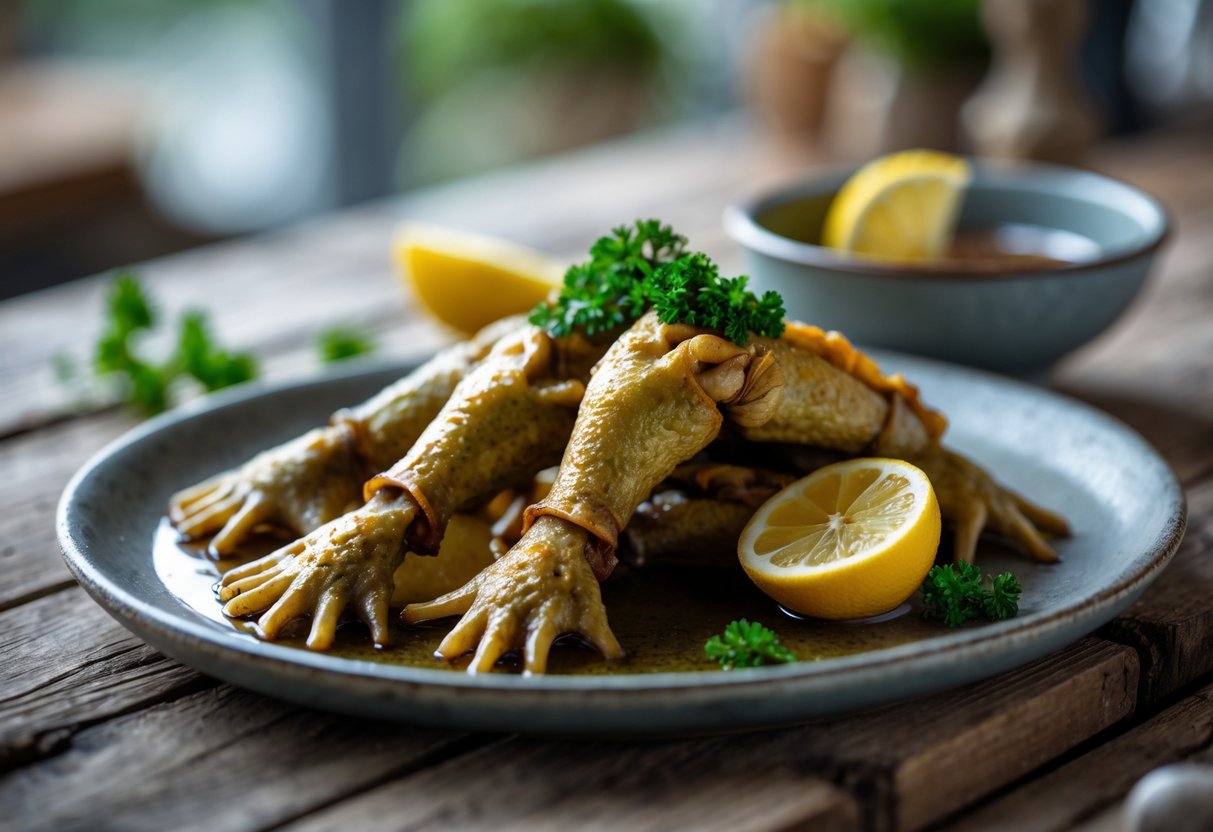
You might not expect it, but frog legs are a pretty big deal in lots of countries. The taste? Most people say it’s a lot like chicken.
Thinking about trying frog meat? Skip the small or brightly colored frogs—those can be toxic. With a few good tips, you’ll find frog legs can be a tasty, even nutritious, treat.
Are Frogs Safe to Eat?

You can eat some types of frogs safely, but not all of them. If you know which frogs are edible, how to spot the toxic ones, and the risks of catching wild frogs, you’ll have a much better time with frog legs.
Choosing the right frog and handling it properly really matters for your safety.
Toxic and Poisonous Frog Species
Some frogs can poison you and make you very sick if you eat them. These frogs usually have bright red, yellow, or blue colors.
Their flashy colors basically scream “don’t eat me” to predators. Poison dart frogs are a classic example.
If you spot a frog that’s small and super colorful, just don’t risk it. Eating these can cause serious health problems, and cooking doesn’t always get rid of the toxins.
Stick to frogs that people know are safe, and you’ll avoid a lot of trouble.
How to Identify Edible Frogs
About 20 frog species are considered safe to eat. The most common ones? American bullfrogs, leopard frogs, Javan giant frogs, and Anatolian water frogs.
Edible frogs usually look bigger and have duller green or brown colors. People mostly eat the legs.
You’ll find these frogs near water or even in trees sometimes. Sellers usually remove the skin, since it’s kind of slippery and not very pleasant to eat.
Risks of Wild-Caught Frogs
Wild frogs might eat insects or animals that have been around pesticides, chemicals, or pollution. Those nasty substances can build up in the frog’s body.
If you eat wild-caught frogs and don’t know where they came from, you could end up eating those toxins too.
If you’re catching frogs yourself, stick to clean, chemical-free ponds or farms that raise frogs safely. Always clean and soak frog legs well before you cook them.
Cooking kills most bacteria, but if the frog lived somewhere polluted, the chemical risks don’t go away.
For more details on which frogs are safe, a guide like this Can You Eat Frogs? (5 Interesting Edible Frog Species) can help.
Frog Meat: Nutrition, Safe Preparation, and Popular Dishes

Frog meat—especially the legs—gives you a lean protein source with some important nutrients. Still, you’ve got to handle it with care to avoid health risks.
People around the world enjoy frog meat in all kinds of tasty dishes, and honestly, the mild flavor and tender texture are a big part of the appeal.
Nutritional Value of Frog Meat
Frog meat packs a lot of lean protein—great for muscle repair and growth. A 3.5-ounce serving of frog legs has about 16 grams of protein.
You’ll also get nutrients like vitamin A, potassium, iron, and omega-3 fatty acids. These support your immune system, nerve function, and energy.
The meat is low in fat and calories, so bullfrog legs can be a healthier choice than some other meats. It’s also low in carbs, which makes it fit into a lot of diets.
Safest Ways to Prepare and Cook Frog Legs
To keep things safe, always get your frogs from trusted suppliers or certified farms. That helps you avoid contamination.
Before you cook, clean the frog meat well and wash your hands and utensils. Make sure to cook frog legs all the way through—heat them to at least 145°F (63°C).
That temperature will kill off harmful bacteria and parasites.
Pan-frying, deep-frying with batter, and grilling are all popular methods. These keep the meat tender and safe.
Just don’t eat frog legs raw or undercooked—it’s not worth the risk.
Frog Legs in Global Cuisine
You’ll spot frog legs in a bunch of different cultures. In the Southern U.S., folks usually fry or grill them for that crispy bite.
France treats frog legs as a delicacy. Chefs there sauté them with garlic and herbs, which really highlights their spot in French cuisine.
Over in parts of China, frog legs show up in soups and stir-fries. People there appreciate their texture and gentle flavor.
Some rural areas, especially near rice paddies, eat frog meat pretty often since frogs live nearby.
Trying out these dishes could be a surprisingly tasty way to experience frog meat and the cooking traditions that come with it.
If you’re curious about preparing frog meat, here’s a guide on how to catch, clean, and cook frogs.


