
Stumbling across a frog in your yard or even inside your home can definitely catch you off guard. Honestly, the best thing to do is either leave it be or gently move it outside to a quiet spot—somewhere it’s safe from predators and bad weather. Most frogs don’t need help unless they’re injured or clearly stuck.

You might start wondering if you should keep the frog or take it somewhere else. Frogs usually stay close to where you find them, so moving them far away often does more harm than good.
If you want to know how to catch a frog indoors or what to do with one in your garden, this guide’s got you covered. You’ll see pretty quickly why keeping frogs safe is actually great for your garden’s health too!
Immediate Steps When You Find a Frog
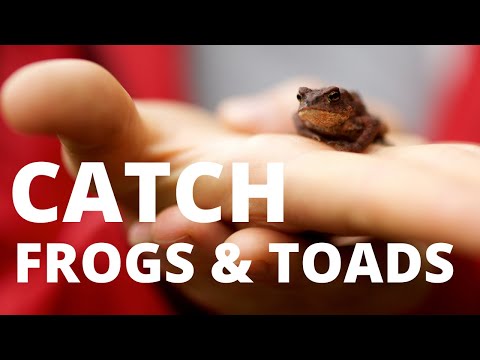
When you spot a frog, try to stay calm and just watch it for a moment. Figuring out what kind of frog you’re dealing with can help you decide what to do next.
You’ll want to handle the frog gently, especially if you think it could be an invasive or harmful species.
Stay Calm and Observe
It’s a bit of a surprise to find a frog, but take a breath and keep your cool. Frogs won’t attack—they’re usually harmless.
Give yourself a second to watch the frog before you do anything. Check if it looks stuck or if it’s somewhere dangerous, like inside your house or near a busy road.
If the frog is outside and looks healthy, just let it be. It’s probably fine on its own and will go about its business.
Notice any tadpoles nearby? That could mean there’s a breeding area close. Don’t move frogs or tadpoles far from where you found them—they’ll just try to come back.
Identifying the Frog Species
Knowing what kind of frog you’ve got in front of you can really help. Some frogs, like Cuban tree frogs or cane toads, cause trouble in some areas.
Check out the frog’s size, color, and skin. Cuban tree frogs are big and sticky with bumpy skin, while cane toads are chunky with rough, dry skin. Native frogs are usually smaller and less aggressive.
You can use an app or an online guide to help figure out the species. Sometimes a frog just looks odd because of its coloring, but it’s still local.
Once you know the species, you’ll know if you need to call animal control or a local wildlife expert. You definitely don’t want to harm a protected or native species by mistake.
Safe and Humane Removal Methods
If you need to move the frog, do it gently. Grab a cup or small box and slowly place it over the frog.
Slide a flat piece of cardboard or paper underneath to trap the frog inside without hurting it. Try not to touch the frog with your bare hands if you can help it.
Frog skin is super sensitive and absorbs oils and chemicals easily. If you do need to pick it up, wet your hands with clean water first.
Let the frog go nearby in a shady spot—under a bush or by a pond is perfect. Don’t move frogs far away, especially not across roads or into a totally different area, because they’ll just try to get back and might get hurt.
If the frog looks injured, put it somewhere quiet with some leaves or sticks for shelter. If it seems really hurt, you can look up a vet who treats amphibians.
If you want more details on catching frogs safely, check out Easy Steps to Catch a Frog in Your House.
Preventing Frogs from Returning
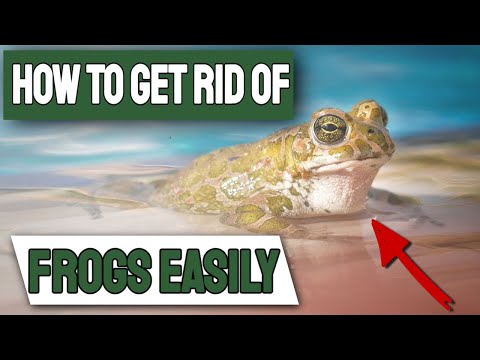
If you want to keep frogs from coming back, you’ll need to make your place less appealing to them. Cut off their water sources and hiding spots, try natural ways to keep them away, and get professional help if things get out of hand.
Also, it’s smart to keep an eye out for pets and kids when you’re working on frog prevention.
Remove Water Sources and Shelter
Frogs need water to survive and lay eggs. Look around your yard for puddles, ponds, birdbaths, or pet water bowls.
Empty or cover them often so frogs and tadpoles can’t settle in. Clear away thick plants, piles of wood, or debris.
Trim your grass and avoid letting bushes get too crowded. Even tiny puddles can attract frogs, so staying on top of water sources is super important.
Keep Frogs Away with Natural Deterrents
You can encourage natural predators like cats or some snakes to help keep frog numbers down. Birds of prey, like owls, also eat frogs and tadpoles—try putting up nesting boxes to invite them in.
Some people use garlic sprays or diluted vinegar as a natural repellent. Test these in a small area first so you don’t end up hurting your plants.
Sticky barriers or little frog fences can keep frogs out of certain spots, but double-check your local rules before using snake repellents. You don’t want to harm harmless or protected snakes by accident.
Professional Frog Removal Services
If frogs keep turning up, or you’ve got way too many, it’s time to call in the pros. Professional frog removal experts know how to get rid of frogs and tadpoles safely, and they won’t mess up your yard or put your pets at risk.
They can give you advice for long-term prevention and suggest treatments if you have a pond or water feature. Plus, they’ll help you stay within local wildlife laws, which keeps everyone—frogs included—out of trouble.
Mitigating Risks for Pets and Children
Some frogs make toxins that can harm pets and kids. If you have dogs, cats, or little ones, keep an eye out for frogs near their play areas or where pets hang out.
Show kids why they shouldn’t touch frogs with bare hands. If your pets play outside where frogs like to gather, go ahead and wash their paws after.
Keep pet water bowls and food dishes clean. Try raising them up a bit so frogs aren’t tempted.
Set up safe zones for pets and children, away from damp, frog-friendly places. That way, you’ll lower the risk without too much hassle.


