
Ever watched a frog and wondered when it gets hungry? Frogs aren’t eating machines, but they seem to come alive around dawn and dusk.
If you want to catch frogs in action, those low-light hours are your best bet. Their prey’s easier to find, and frogs feel safer from predators when it’s not too bright out.

You’ll probably spot frogs moving around more at night. They don’t eat nonstop, but they hunt more after dark.
Nighttime gives them a chance to avoid danger and still snag insects or other small snacks.
If you know when frogs like to eat, you’ll get a better sense of their habits. Whether you’re just curious or trying to care for a pet frog, this guide should help you figure out their eating routines.
When Do Frogs Eat?

Different frogs eat at different times. Their species, age, and energy levels all play a part.
Some frogs hunt at night, while others grab food during the day. Your frog’s schedule can shift depending on these things.
Feeding Patterns by Frog Species
Frog species have their own quirks when it comes to feeding time. Aquatic frogs, for example, go after prey like snails and tiny fish during the day, since they can see better underwater.
Terrestrial frogs usually munch on insects at dawn and dusk, when bugs are most active.
Some high-energy frogs, like tree frogs, really get going after dark. They move fast and need more food, so you’ll see them hunting several times at night.
If you’ve got a pet frog, knowing its species can help you figure out when it’s hungry.
Daytime vs. Nighttime Feeding
Frogs that eat during the day rely on their eyesight to catch moving prey. You’ll find them in sunny spots or open areas, watching for anything that scurries by.
Night-hunting frogs come out when it’s cooler and safer. They avoid the heat and most predators.
Most frogs seem to prefer dawn and dusk. They tend to stay quiet in the middle of the day, but as the sun rises or sets, they get busy looking for food.
How Age and Energy Levels Affect Eating Times
Young frogs, or juveniles, need to eat smaller meals more often because they’re growing fast. You might see them eating several times a day.
As frogs get older, they slow down a bit and eat less often, but they can handle bigger meals.
High-energy frogs eat more often to keep up with their activity. Low-energy ones might only want food once a day or even every other day.
If you watch your frog’s behavior, you’ll get a good sense of when it’s ready to eat.
What Do Frogs Eat?
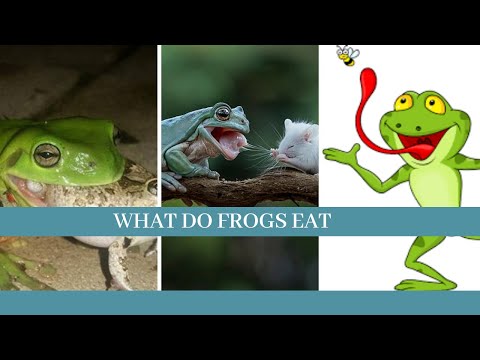
Frogs eat all kinds of things, and their menu depends on where they live and how old they are.
Some frogs spend their time in water, while others stick to land or trees. This changes what they eat and how they hunt.
Typical Frog Diet in the Wild
Most frogs aren’t picky—they’ll eat almost any live prey they can catch. Crickets, worms, mealworms, caterpillars, and grasshoppers are all fair game.
Bigger frogs, like Pacman frogs, might even eat small mammals, birds, or other frogs.
Frogs use their sticky tongues to snap up insects in a flash. They swallow food whole, so the size of the prey really matters.
If you watch frogs hunt, you’ll see them go for things that fit easily in their mouths.
Aquatic Frogs and Their Unique Diets
If your frog hangs out in the water, its diet looks a little different. Aquatic frogs eat things like snails, worms, and small fish.
They don’t always use their tongues—they might grab prey with their mouths or even their hands.
You’ll often see aquatic frogs eating bloodworms, brine shrimp, or other pond critters. These snacks give them what they need to stay healthy.
What Tadpoles and Young Frogs Consume
Tadpoles start out eating mostly algae and plant bits they find in the water.
As they grow, they add tiny aquatic animals to their diet.
Once tadpoles turn into young frogs, they switch things up and go after insects and little worms. That helps them get strong enough for adult life.
Feeding Pet Frogs: Best Practices
If you’ve got pet frogs, you’ll want to feed them a diet that’s pretty close to what they’d find in the wild.
Crickets, mealworms, waxworms, and small worms usually work well. For aquatic frogs, you might try bloodworms or brine shrimp—they seem to enjoy those.
Always offer live prey. Frogs really need the movement to spark their hunting instincts.
Try dusting the insects with vitamins or a calcium supplement now and then. It’s a simple way to help your frog stay healthy.
Match the prey size to your frog’s mouth. Smaller frogs go for tiny bugs, but bigger types like Pacman frogs? They’ll handle much larger meals.
Keeping a regular feeding schedule seems to help with their energy and health, though you might have to experiment a bit.
If you want more details about frog diets, check out this page about what frogs eat.


