
Ever wondered when frogs start showing up in the UK? You’ll usually spot them from late winter into early spring. Many frogs start appearing from January as things begin to warm up.
The timing really depends on your location and how harsh or mild the winter’s been. Frogs often pop up in ponds when they begin spawning. Honestly, it’s a fun time to watch them do their thing.
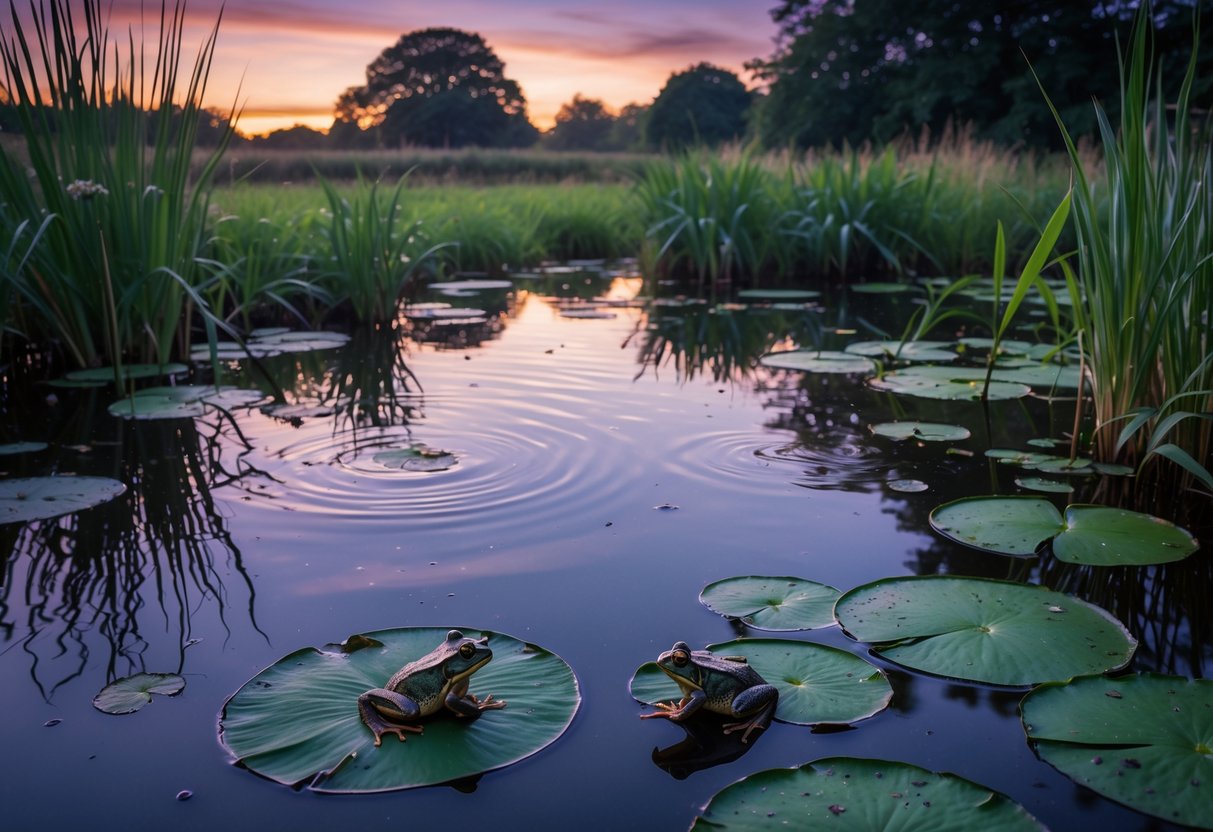
By late February or March, you might notice frogspawn in ponds. Males come back to breed and call out to females with their croaks. If you check out shaded, shallow ponds around your area, you’ll probably catch frogs heading back to the water after spending the colder months on land.
This seasonal shift is a clear hint that spring is just around the corner.
Knowing when frogs show up makes it easier to spot them and enjoy their weird and wonderful life cycle. Whether you have a pond in your garden or you’re out at a nature reserve, understanding their habits can make being outdoors a lot more interesting.
If you’re curious about the best times and places to see frogs, stick around.
When Do Frogs Come Out in the UK?

Frogs in the UK come out at different times depending on the season, weather, and even your postcode. They usually show up when it’s good for feeding and breeding.
In spring and early summer, you’ll spot them most in the evenings and at night. Warmth and moisture really get them moving.
Typical Times of Year for Frog Emergence
Common frogs (Rana temporaria) start waking up from hibernation in late winter or early spring. Usually, that’s sometime between February and March, but it all depends on how warm and wet things are.
Frogs hide away during the cold months. Once the temperature climbs over 5°C (41°F), they come out. If there’s plenty of moisture in ponds or wetlands, that helps pull them from their winter spots under logs or in the mud.
As days get longer, frogs and toads get more active. They look for food like insects and get ready for breeding. A warm, wet spring often means frogs show up earlier.
Evening and Night Activity Patterns
Frogs are mostly nocturnal. They come out at dusk or after dark. You’ll hear or see them more often after sunset, especially when it’s damp.
Being active at night helps frogs dodge daytime predators and avoid getting too hot. Males croak in ponds or wetlands to attract females. If you’re near water at night, you might spot them.
Frogs stick close to wet places to keep their skin moist—it’s how they breathe. On rainy evenings, you may see them moving around more.
Spring and Summer Breeding Season
The main breeding season runs from February to June, with most action in March and April. Frogs head back to the ponds where they were born.
You’ll spot frogspawn in shallow, sheltered pond areas with plants like duckweed or water lilies. Males call to females, then grab on tightly until the eggs get fertilized and laid.
After breeding, frogs stay busy feeding and growing through the warmer months. Tadpoles hatch and turn into froglets before heading onto land in summer.
Regional Variations and Weather Influence
Where you live in the UK really affects when frogs show up. In the South and South West, frogs can appear as early as January or February thanks to milder weather.
Up north or in colder spots, you’ll see frogs later—often not until March or April—since it takes longer for things to warm up. Rain speeds up frog activity, too.
A late spring frost can hurt early eggs and frogspawn. Cold snaps might delay when frogs come out. If you keep an eye on local weather and check your ponds, you’ll get a good sense of when to look for frogs nearby. For more info, this guide to frogspawn and frog activity in the UK is worth a look.
Frog Life Cycle and How Their Activity Connects With Habitats

Frogs in the UK change with the seasons and their habitats. You’ll see them wake up after winter, mate, and grow from eggs into young frogs.
Their time outside depends a lot on where they live—ponds, gardens, or streams all offer something different.
From Hibernation to Spring Emergence
When autumn gets chilly, frogs go into brumation. It’s kind of like hibernation but slower since frogs are cold-blooded. They hide in burrows, mud, or under logs to stay safe.
Their bodies slow down, so they barely need food. When spring brings warmer weather, frogs come out of brumation. Usually, you’ll spot them near water in early March or April, depending on the year.
Breeding, Frogspawn, and Tadpoles
Once they’re up and about, breeding season kicks in. Males croak to attract females, sometimes for hours.
Females lay frogspawn—those jelly-like clumps of eggs—in ponds or slow streams. The eggs hatch into tadpoles in about 1 to 3 weeks. Tadpoles stay in the water eating plants and growing legs for several weeks. Pollution and temperature can really affect this stage.
You might see toadspawn nearby too, but frogspawn clumps are bigger and rounder.
Froglets Leaving the Water
As tadpoles grow, they go through metamorphosis. Their tails shrink, lungs form, and they become froglets.
These little frogs start exploring land but stick close to water. Froglets usually leave the pond by early summer. They need moist places like gardens or ponds to survive.
This stage is risky—they face predators and harsh weather. How well they adapt decides if they make it to adulthood.
Habitats: Ponds, Streams, and Gardens
Frogs really need wet places—think ponds or slow-moving streams—when it’s time to breed. If you keep your garden pond clean and avoid pollution, it can turn into a pretty great home for them.
These spots give frogspawn a safe place and help tiny froglets as they grow up. You’ll probably spot frogs hanging out near newts and toads too, although they tend to use different corners of the same pond or patch of land.
If you want frogs to stick around, you should protect these habitats from pollution and damage. Even a small pond, or something as simple as an old sink filled with water, can make a difference for frogs in your garden.


