
Frogs might look simple, but honestly, they play all sorts of important roles in nature—and even in your own backyard. They chow down on thousands of insects like mosquitoes every night, which helps keep your garden and home a lot less buggy. With frogs around, you can avoid reaching for chemical pest sprays so often.
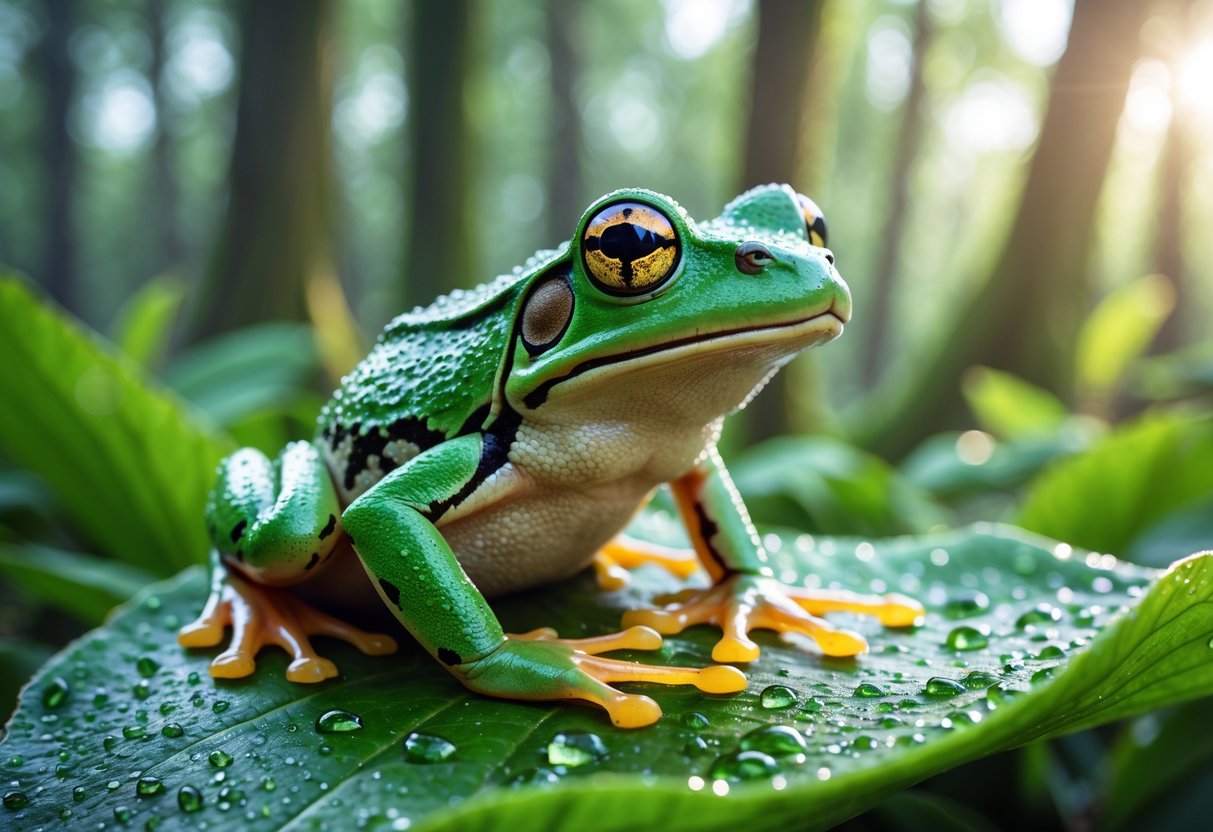
Frogs do more than just eat pests. Scientists have started studying compounds in their skin to develop new medicines for pain and different diseases. You might not expect it, but frogs help keep ecosystems balanced too. It’s kind of amazing how valuable these creatures are when you look closer.
Key Benefits of Frogs for Gardens and Ecosystems

Frogs bring practical benefits to gardens and the environment around you. They control pests, support lots of different plants and animals, and even show you how healthy your surroundings are. Plus, they help improve the soil in quiet but effective ways.
Natural Pest Control in the Garden
Frogs love to eat garden pests like mosquitoes, aphids, beetles, and caterpillars. When they snack on these bugs, they help protect your plants from damage.
With frogs on the job, you don’t need as many chemical pesticides. This keeps your garden safer for bees, butterflies, and other helpful critters.
Frogs stay active both day and night, so they’re always working to keep pest numbers low. Your flowers, veggies, and fruit get steady protection, and you barely have to lift a finger.
Boosting Garden Biodiversity
Frogs add to your garden’s biodiversity by connecting different parts of the food web. Their presence attracts birds and other helpful predators that also eat pests.
This mix of species makes your garden stronger and better able to handle disease or stress. Frogs help pollinators and other insects by keeping harmful bugs in check.
If you’re into organic gardening, this really helps your garden thrive without chemicals.
Frogs as Environmental Indicators
Frogs react quickly to changes in their environment, so they act as natural indicators. When frogs do well, it usually means your soil, water, and air are in good shape.
If you notice fewer frogs, you might have a problem with pollution, too many pesticides, or a habitat that’s not quite right. Watching frogs gives you a heads-up before bigger issues pop up.
Role of Frogs in Nutrient Cycling
Frogs help break down organic matter with their waste. Their droppings add nutrients like nitrogen and phosphorus to the soil.
This boosts plant growth and improves soil structure without extra fertilizers. Frogs also help keep your garden’s moisture balanced.
They prefer damp spots, so their presence means the soil stays more humid. That keeps plants from drying out and helps roots grow strong.
For more details on how frogs can boost your garden’s ecosystem, check out Are Frogs Good for the Garden? Benefits and Tips Explained.
Supporting Frogs in Your Outdoor Space

You can make your yard a great place for frogs if you focus on water, plants, and shelter. Knowing what frogs like helps you keep them happy and safe.
Creating a Frog-Friendly Garden Habitat
Give frogs spots to hide and rest. They love cool, damp places, so toss in some logs, rocks, or leaf piles for shelter.
Skip the pesticides and harsh chemicals—frogs have sensitive skin, and that stuff can really hurt them. Try natural pest control instead.
Keep things moist with mulch and shade from trees or bushes. Damp ground helps frogs stay hydrated and encourages them to stick around.
Attracting Frogs with Water Features
Frogs need water to lay eggs and raise tadpoles, so a shallow pond is perfect. Build it with sloping edges so frogs can easily get in and out.
Don’t add fish—they’ll eat frog eggs and tadpoles. Toss in some water lilies or other plants for shade and hiding places.
Keep the water clean, and avoid chemicals. Rainwater or natural filters work well to keep things healthy for frogs.
A small water feature near a shady spot can attract all sorts of frog species.
The Importance of Native Plants
Native plants give frogs the food and cover they need. They bring in insects for frogs to eat and offer hiding spots from predators.
Go for ferns, native grasses, or low shrubs that keep the soil damp and protect frogs from the weather. Native plants also help your local ecosystem and bring in other wildlife that gets along with frogs.
Planting native greenery not only makes your garden look great, but it also creates a balanced, frog-friendly habitat.
Understanding the Frog Life Cycle
If you know how frogs grow, you can actually help them at every stage.
Frogs start out as eggs in water. Tiny tadpoles hatch and swim around ponds, munching on algae and slowly growing legs.
Once they turn into young frogs, they head onto land. They still need damp, shady spots to stay comfortable and safe.
Try to give your garden some clean water for the eggs and tadpoles. Adult frogs will appreciate moist, shaded corners where they can rest or hunt for food.


