
Ever wondered if frogs are actually smart? Well, you might be surprised. Frogs aren’t topping any animal IQ charts, but they can pick up simple tasks and remember bits of their surroundings. Take the green and black poison dart frog, for example—they seem to map out their home turf and handle tricky spaces better than you’d expect.
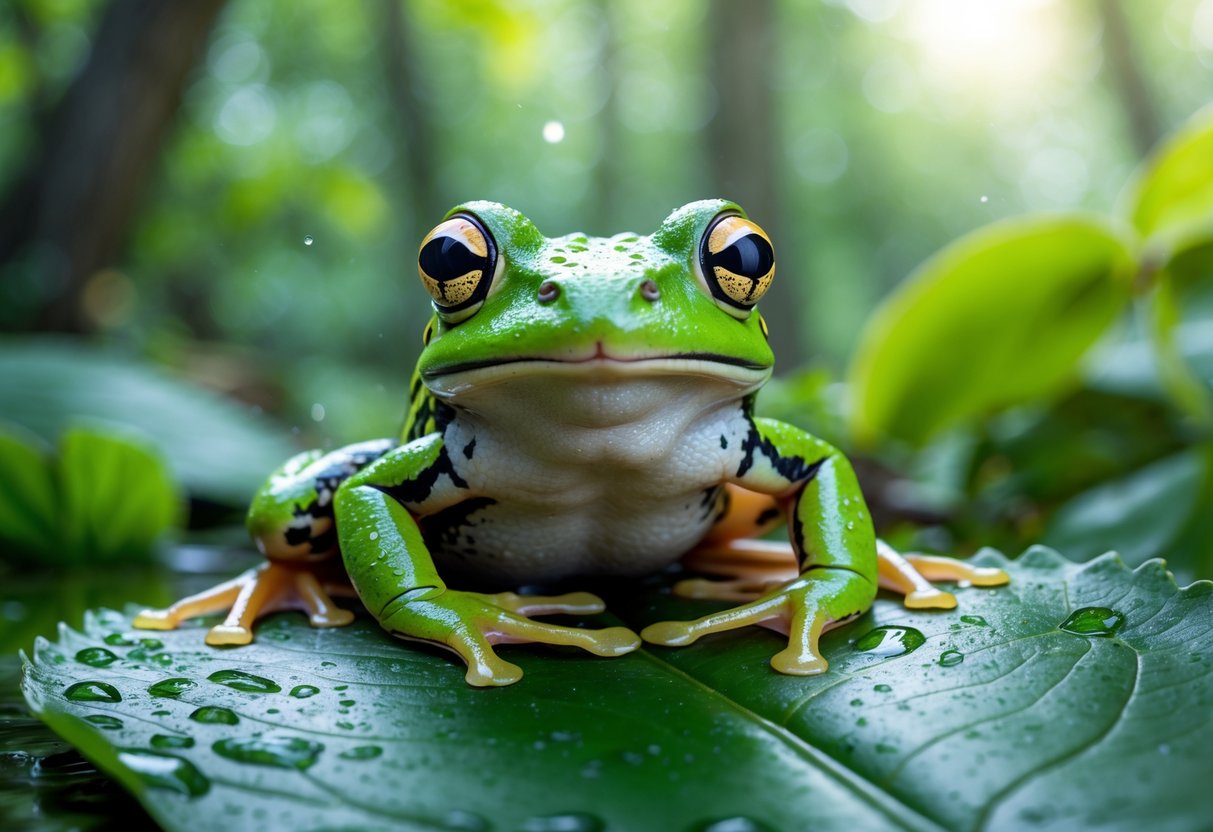
Most people assume frogs run on pure instinct, but that’s not totally true. They recognize familiar sounds and sometimes even connect certain people with food. Sure, their brains aren’t on par with mammals or birds, but frogs have some clever tricks that keep them going. Let’s dig into how frogs think, learn, and get around in their world.
Understanding Frog Intelligence

When you look at frog intelligence, it helps to think about what animal smarts really mean. Instincts, learned actions, and specific mental skills all play a part. These details give you a better sense of how frogs behave.
Defining Intelligence in Animals
Animal intelligence is really about how they handle information, solve problems, and deal with their environment. It’s not just about brain size—it’s about how they use what they’ve got.
You can see intelligence by watching animals learn, remember, or tackle problems. For frogs, this comes down to how they move, find mates, or dodge danger.
What counts as smart for a frog might look different than what you’d expect from a cat or a bird. It’s kind of fascinating how each species finds its own way to survive.
Differences Between Instinct and Learned Behavior
Instincts are those built-in moves animals make without thinking twice. Frogs, for instance, hop away from threats or call out to attract mates because it’s wired into them.
But frogs can also pick up new skills from experience. Some learn to spot safe spots or remember where to find food.
Both frogs and toads mostly rely on instinct, but they do show learning now and then. Poison dart frogs, for example, sometimes change how they move after seeing something new. When you spot the difference between instinct and learning, you get a better feel for their brains.
Cognitive Abilities of Frogs and Toads
Frogs use their brains to solve simple problems, especially when they’re moving around or steering clear of trouble. Some, like the green and black poison dart frog, actually make mental maps to get through complicated places.
Social stuff, like defending territory or picking a mate, proves they notice signals and remember other frogs. That means they aren’t just reacting—they’re thinking, at least a little.
Where a frog lives can shape its skills, too. Frogs in more complex habitats seem to have better memories and more flexible behavior. These abilities show that frogs have their own kind of intelligence, even if it’s not what you’re used to seeing in other animals.
If you’re curious, you can check out Are Frogs Smart? (Frog Intelligence Explained).
How Frogs Demonstrate Intelligence
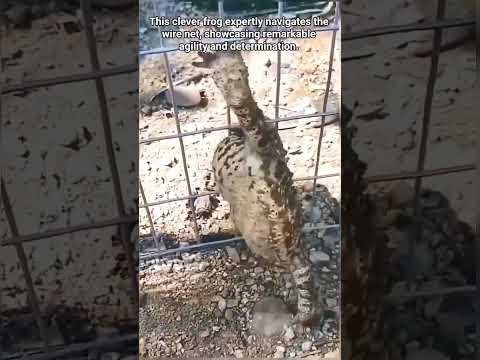
Frogs show their brains in a few clear ways. They learn from experience, figure out how to get through tough spots, and change their behavior based on what’s happening.
Learning and Memory Capabilities
Frogs remember things that matter, like where to find food or what signals danger. If a frog nearly gets caught by a predator, it usually avoids that situation next time. That’s not just instinct—they’re adapting to what’s happened.
Some pet frogs even recognize their owners, linking people with food and safety. Frogs also remember mating calls, which helps them find the right partner during breeding. These memory skills really help them out in the wild.
Navigational Skills and Spatial Awareness
Frogs can move through their area and find their way home. Certain species map out their environment, remembering landmarks and knowing where to hide or hunt.
When frogs migrate or search for water, they use these abilities to cover long distances. Your frog’s knack for remembering its surroundings keeps it safe and well-fed. Scientists have watched frogs swim, hop, and climb in ways that prove they hold mental maps of their world.
Problem-Solving and Adaptation
Frogs come up with clever ways to handle challenges. They figure out how to dodge traps or slip away from predators.
Some frogs just disappear into their surroundings by blending in with leaves or mud. It’s honestly impressive how well they can hide.
When the weather shifts or food gets scarce, frogs don’t just sit around. They’ll switch up their behavior. If a spot dries out, a frog will just hop off to find a wetter area.
You can spot their intelligence in the choices they make—where to live, when to hunt, or how to keep their young safe. Sure, their brains aren’t huge, but these problem-solving moves say a lot about how they think.
Curious? There’s more about this at frog intelligence and cognition.


