
Ever sat outside, surrounded by a chorus of frogs, only for them to suddenly go silent? It’s a bit eerie, right? Frogs quiet down for all sorts of natural reasons. They usually stop making noise when mating season wraps up, a predator lurks nearby, or the weather takes a turn.
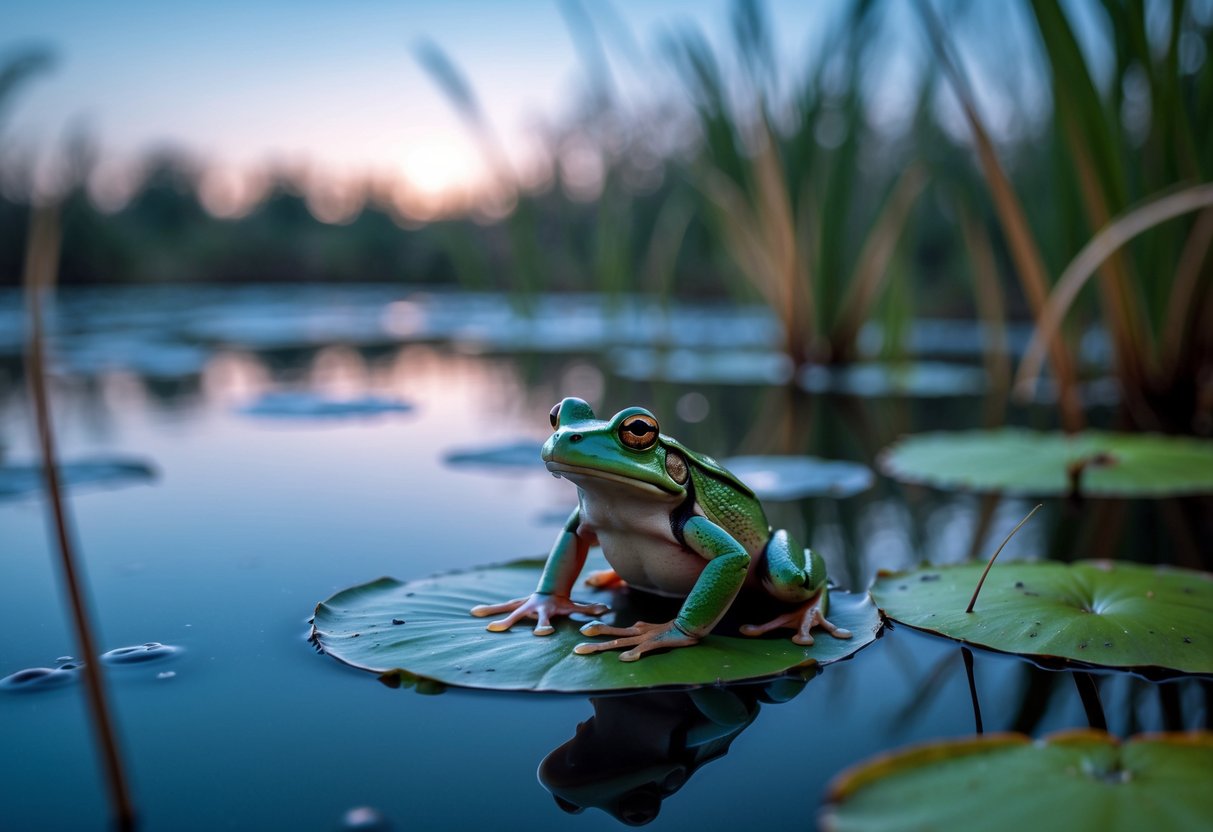
Sometimes frogs just get tired, feel under the weather, or want to hide from predators. Shifts in temperature, rainfall, or even the need to defend their turf can make them go quiet.
Once you understand these reasons, you might notice the silence in a whole new way. It’s like the frogs are telling you what’s happening around them—if you’re paying attention.
If you’re curious why frogs suddenly hush up and what shapes their noisy habits, this guide has some clear answers and a few cool facts about these little croakers.
Key Reasons Frogs Stop Making Noise
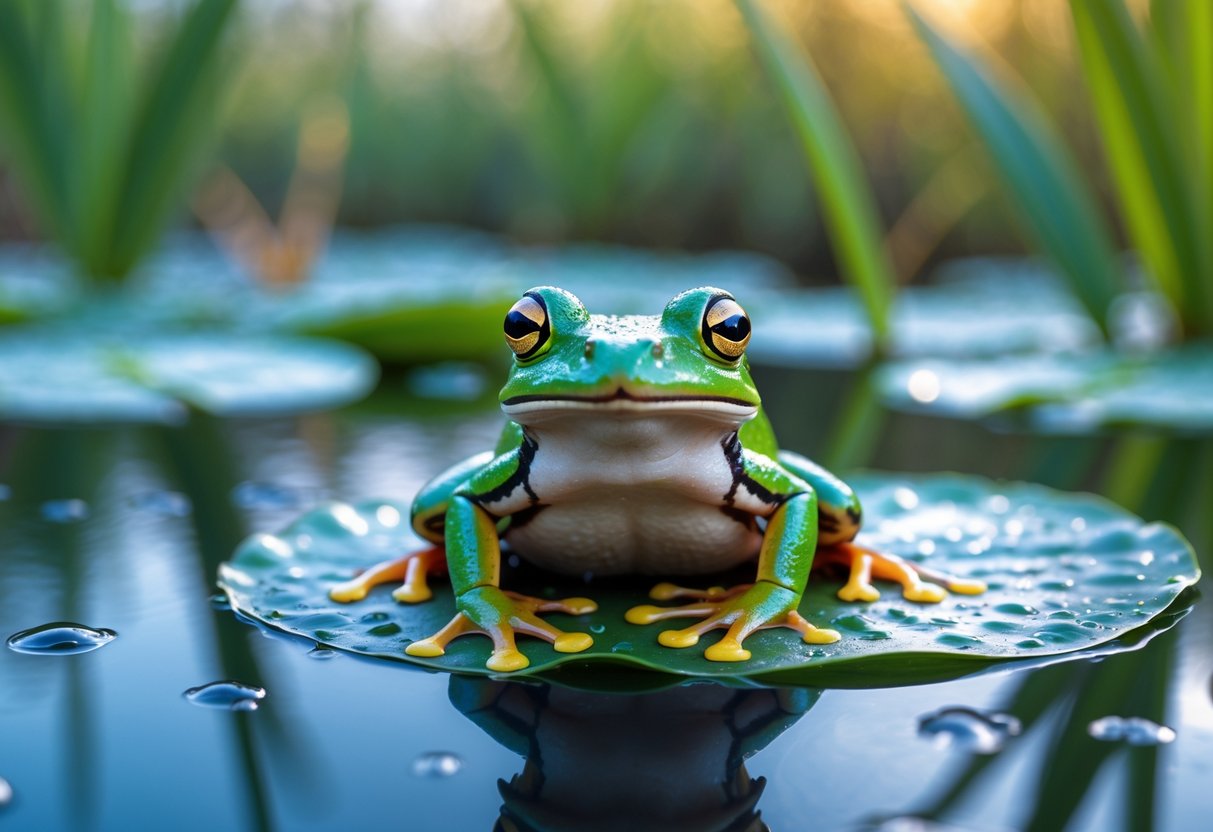
Frogs stop making noise because of what’s happening in their environment, their need to stay safe, or their biology. You might notice how things around ponds or wetlands change when frogs fall silent.
Sometimes their silence connects to stuff going on outside, or maybe it’s something happening inside their bodies.
Environmental Factors That Silence Frogs
When the weather shifts, frogs often quiet down. For instance, after heavy rain, frogs may go silent since they prefer wet conditions and use the moisture to stay active.
Temperature plays a big role, too. Frogs croak the most when it’s warm—not freezing, not boiling. If the temperature drops below 8°C (46°F), you’ll probably hear less croaking.
Strong winds or storms make it tough for frog calls to travel. So, frogs just save their energy and keep quiet.
Predators and Threats to Frogs
If you notice fewer frog sounds near your pond, predators could be the reason. Birds, snakes, and mammals hunt frogs by listening for their calls.
Frogs sense danger and stop croaking to avoid getting caught. It’s a smart move to stay safe.
Male frogs especially go quiet if they feel threatened, since their croaks can attract the wrong kind of attention.
Habitat Loss and Pollution Effects
When local wetlands or ponds shrink or get polluted, the frogs go quiet.
Damaged habitats mean frogs lose their safe places to live and breed. Pollution can mess with their skin or voices, making it hard for them to croak at all.
If the water quality drops or people rip out plants around the pond, frogs might just leave or stop making noise.
Seasonal and Biological Influences on Croaking
Frogs croak to find mates or defend their space. Once mating season ends—usually between April and September, depending on where you are—they stop making noise.
When it gets cold, frogs hibernate by hiding underwater or in mud. They go silent to save energy.
Tiredness or illness can also shut them up. If a frog’s worn out or sick from too much croaking, it’ll rest and stay silent until it feels better.
Effective Solutions to Reduce Frog Noise
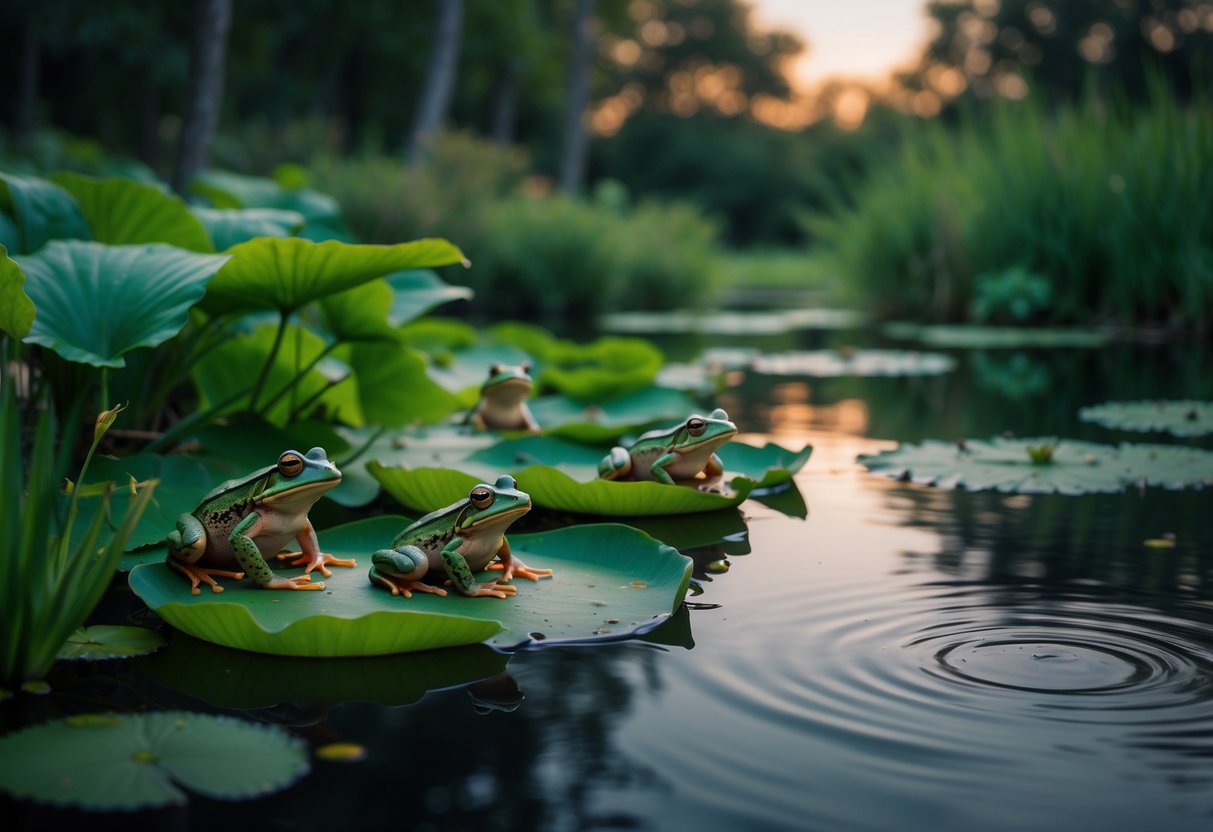
If you want less frog noise near your home, you’ve got a few options. You can keep them from hanging around, use safe repellents they don’t like, or block out their croaks with white noise or barriers.
Each method helps you get some peace without hurting the frogs.
Preventing and Managing Frog Infestations
Start by making your place less inviting for frogs. They love water, bugs, and cozy hiding spots.
Drain or cover standing water like ponds or puddles to get rid of their favorite breeding grounds. Keep your yard tidy by clearing away leaves, rocks, and other hiding places.
Trim tall plants and thin out dense vegetation to take away their shelter. If you’re dealing with a real frog invasion, put up fences at least 2 feet tall and bury them 6 inches underground.
Metal barriers work best since frogs can’t climb them.
Natural and Safe Frog Repellents
You can use safe repellents to keep frogs away without harming them. Try sprinkling coffee grounds or salt around the edges of your yard, or spray garlic on your plants.
There are also commercial repellents that smell bad to frogs. Just make sure anything you use is safe for pets and people—always read the label first.
Put these repellents around your yard’s border to keep frogs at bay. Use them regularly, especially when it’s warm and wet and frogs are most active.
White Noise Machines and Sound Barriers
If you can’t easily get rid of frogs or their homes, try blocking out their croaks instead. A white noise machine can help mask those frog sounds, making it easier to sleep or concentrate.
You might want to try physical sound barriers too. Thick curtains, acoustic panels, or even outdoor fencing that absorbs noise can make a difference.
Some people set up a fan or a water fountain near where they sleep. That steady background noise often helps drown out the frogs.
These sound-blocking tricks don’t harm frogs, but they help you get some peace—indoors or outside. They’re pretty simple, and honestly, they work best if you also cut down on frog habitats nearby.
If you want more tips on dealing with frog noise in a natural way, check out how to make frogs shut up.


