
So, you’ve got a pet frog or maybe you’re just thinking about it. You’re probably wondering—how often do these little guys need to eat? Most frogs eat every two to three days, but younger or really active frogs might want food every day. Getting the feeding schedule right keeps your frog healthy and, honestly, makes life easier for both of you.
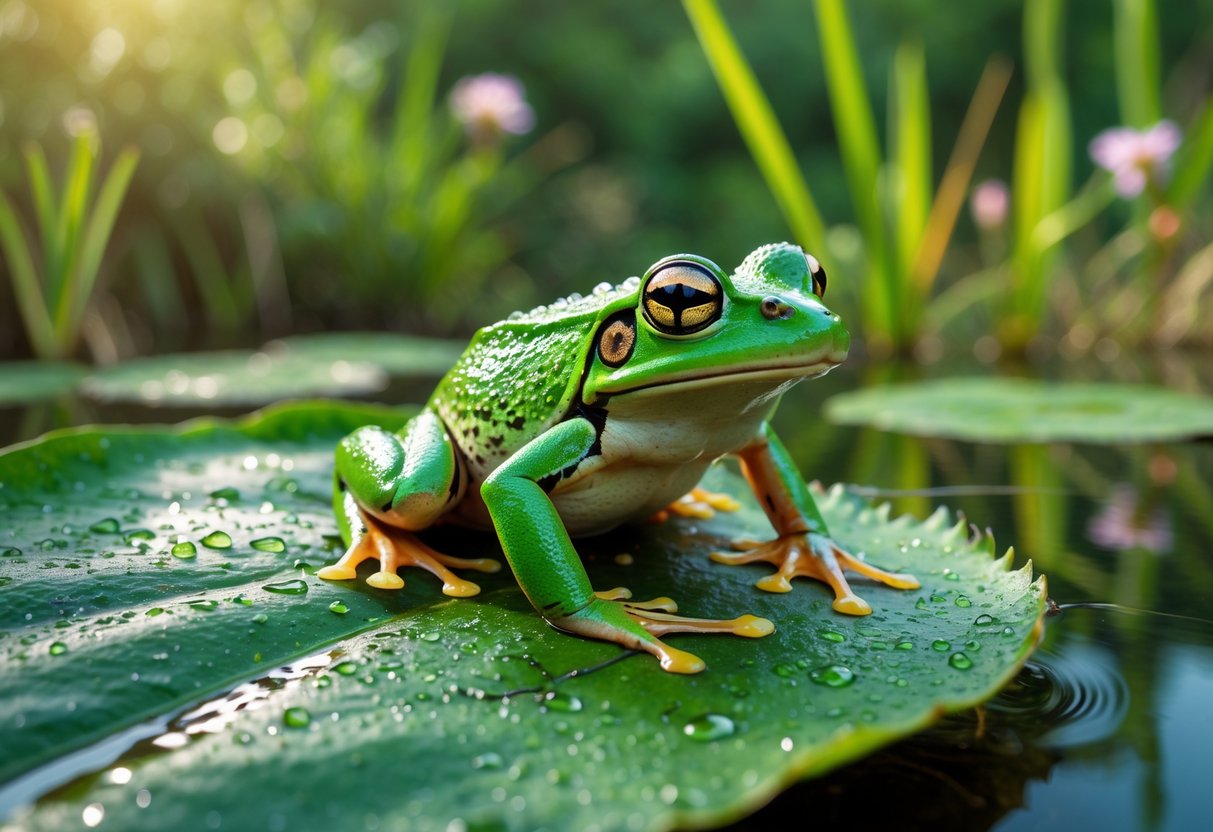
Frogs don’t eat like cats or dogs. They love live insects that wiggle around, which makes mealtime a lot more interesting for them.
Feeding routines depend on your frog’s size and species. You’ll want to figure out what works best for your specific frog.
Once you get the hang of what to feed and how often, taking care of your frog just feels a lot less complicated.
How Often Do Frogs Need to Eat?

A frog’s eating habits really depend on age, size, species, and what kind of environment it lives in.
Some frogs gobble up food every day, while others are perfectly fine waiting a few days between meals.
Feeding Frequency by Life Stage
Young frogs—think tadpoles or those that just lost their tails—eat more often because they grow fast. You should feed juveniles every day or at least every other day.
They do best with small, frequent meals like fruit flies or tiny crickets.
Adult frogs, like Pacman frogs, slow down a bit. They usually only need food every two to three days.
Bigger frogs can go even longer between meals since their metabolism isn’t as quick. If you feed them too much, they can get sick.
Impact of Species and Size on Meal Schedule
Different frog species have their own quirks when it comes to food. Smaller frogs, such as tree frogs, often want little meals every two or three days, or maybe more often if they’re young.
Larger frogs, like bullfrogs or Pacman frogs, eat bigger meals but don’t need to eat as often.
The bigger your frog, the more it can eat in one go, but it won’t need food as frequently. A Pacman frog, for example, can easily miss a meal or two without any trouble.
Smaller frogs need more regular feeding. Always use live prey—most frogs ignore dead food.
Seasonal and Environmental Influences
Frogs eat more when it’s warm out because their bodies speed up. In spring and summer, you might find yourself feeding your frog more often, or giving them bigger bugs to keep up with their energy.
When it gets colder or your frog goes into brumation (sort of like hibernation), they’ll eat a lot less, or sometimes not at all.
You should cut back or even stop feeding during this time, so you don’t overdo it.
Signs of Overfeeding and Underfeeding
Keep an eye on your frog’s weight and how active it is. If you notice your frog getting chubby, looking bloated, or just sitting around all day, you’re probably feeding too much.
Try smaller meals or feed less often.
If your frog looks skinny, hides a lot, or won’t eat, it might not be getting enough food.
Check the habitat and maybe try offering different prey or feeding a bit more. Watching your frog closely is the best way to keep it healthy.
If you want more details, check out this frog feeding habits guide.
What Do Frogs Eat and Choosing the Right Diet

Frogs stay healthiest when you match their diet to what they’d eat in the wild. They usually want live prey that moves around—that’s what gets them excited and keeps them active.
The right food depends on both the species and size of your frog.
Common Prey: Insects, Worms, and More
Most frogs go for live insects like crickets, grasshoppers, mealworms, caterpillars, and flies. These bugs have the nutrients frogs need and, because they move, they keep your frog interested.
Bigger frogs sometimes eat small fish or, on rare occasions, even mice.
Worms work well too since they’re soft and easy to digest. Just make sure you only use worms that are safe and haven’t been exposed to pesticides.
Mixing up the prey keeps your frog’s diet balanced and helps prevent boredom.
Feeding Pet Frogs: Sourcing Safe Food
When you feed pet frogs, always pick safe, healthy live prey. Buy crickets, worms, and other feeder insects from a pet shop or a trustworthy supplier.
Don’t use bugs you found outside—they might carry chemicals or parasites.
Make sure the prey isn’t bigger than your frog’s head. That way, you avoid choking or tummy troubles.
Feeding live prey not only keeps your frog healthy—it helps them keep their natural hunting skills sharp.
Nutritional Considerations for Healthy Growth
Your frog thrives on a diet packed with vitamins and minerals. Most of the time, you’ll need to dust feeder insects with calcium and vitamin supplements to help with bone health and growth.
Mixing up the types of insects you feed keeps your frog’s nutrition balanced. Try to avoid non-living foods or commercial pellets—honestly, most frogs just ignore them anyway.
Some insects aren’t safe, either. Skip the ants or anything exposed to chemicals.
A mix of crickets, worms, and the occasional treat like flies or caterpillars usually keeps frogs strong and active.
If you’re curious or want more details, check out this guide on what frogs eat.


