
Ever wondered how frogs know it’s time to lay their eggs? Nature gives them a nudge. Frogs start spawning when days stretch out, temperatures climb, and the rain finally rolls in. Those changes basically shout, “Hey, it’s breeding season!”
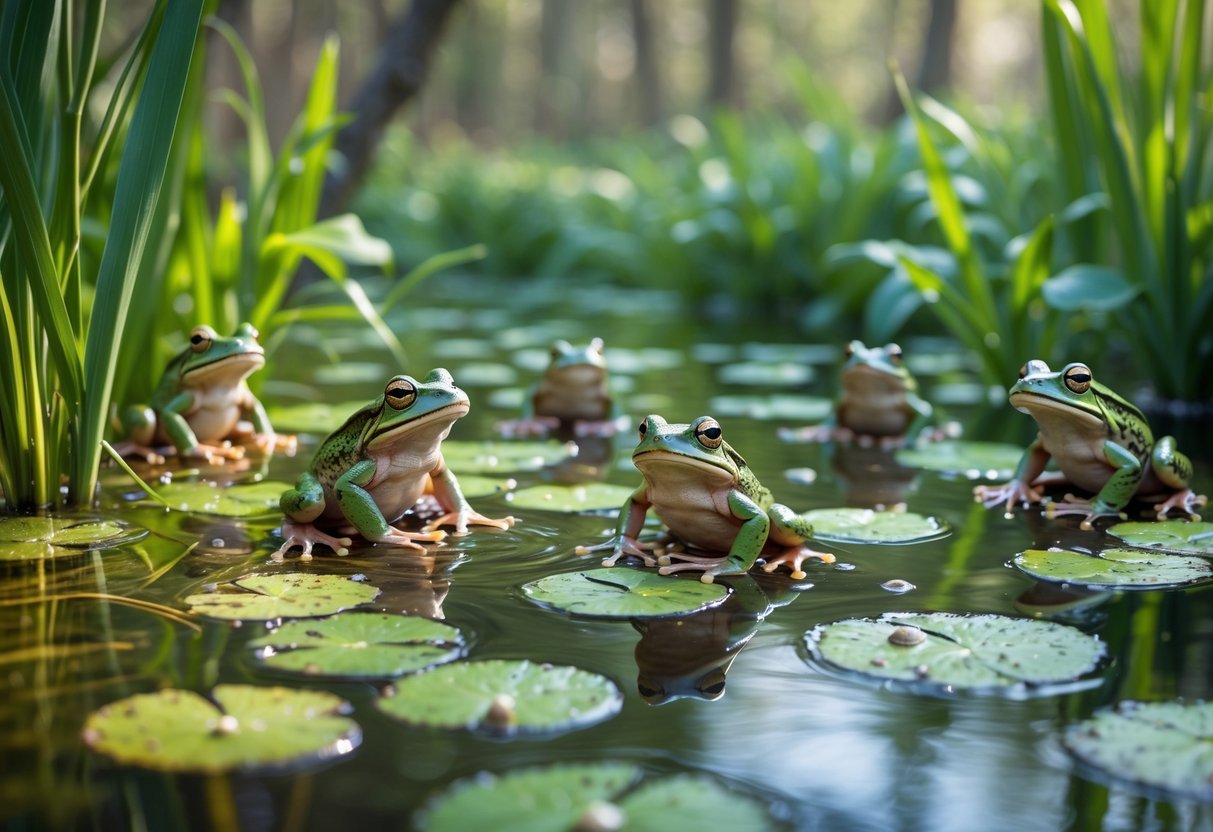
You’ll probably spot male frogs showing up and croaking like crazy near ponds or wetlands. That’s their main move to attract a mate once the weather feels just right.
Watch closely and you’ll see frogs pick up on these signals, kicking off their spawning routines. That’s how the next batch of frogs gets its start.
It’s kind of amazing how knowing what triggers frogs to spawn can help you appreciate their part in the ecosystem. Nature’s balance really is delicate, isn’t it?
Key Environmental Triggers for Frog Spawning
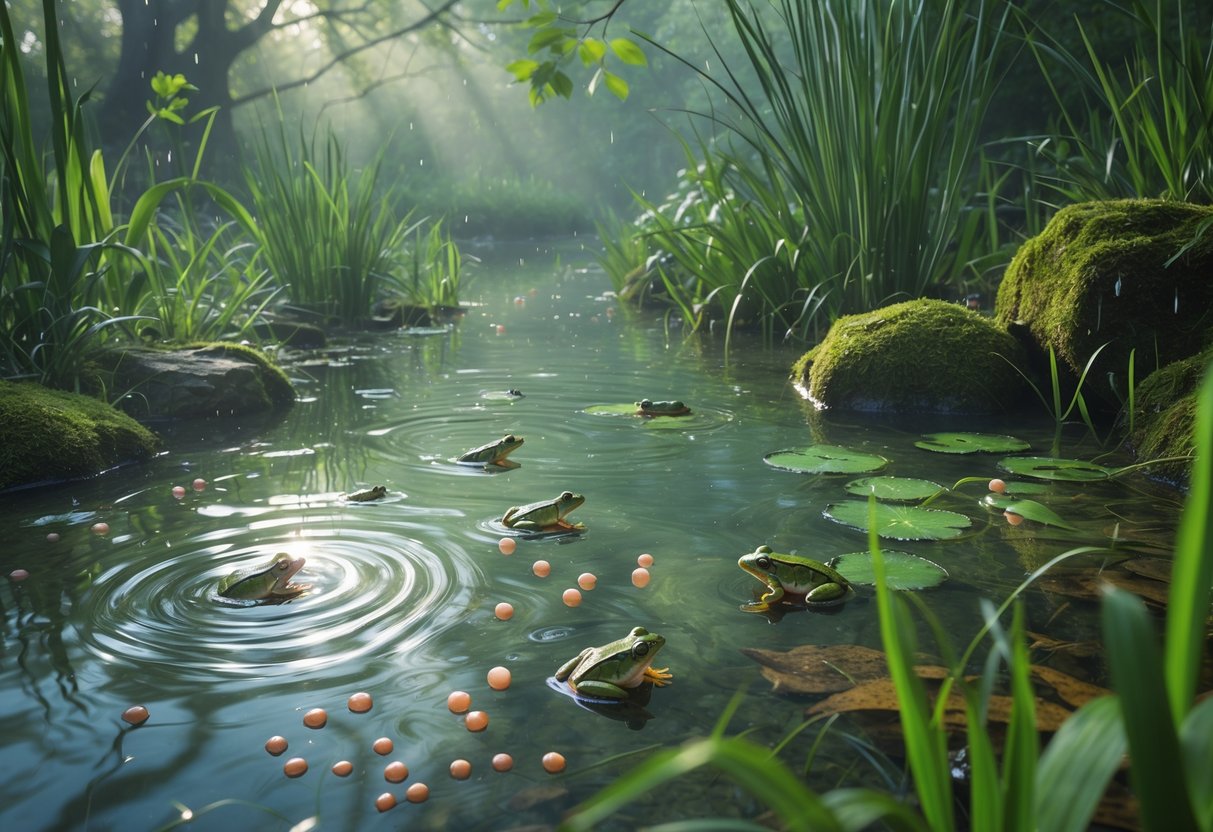
Frogs won’t just spawn anywhere. They look for the right temperature, enough rain, suitable ponds, and good vegetation.
All these factors come together to give frogspawn a fair shot at survival.
Temperature Changes and Seasonal Cues
Temperature really sets the stage for frog spawning. Since frogs are cold-blooded, they rely on their surroundings to warm up.
Once the air hits about 10 to 20 degrees Celsius, frogs usually get in the mood to breed.
When spring brings longer days and more sunlight, frogs get another cue that it’s time. Their hormone levels rise, which is key for laying and fertilizing eggs.
If the weather stays chilly or keeps flipping back and forth, frogs might wait longer to spawn or lay fewer eggs. Climate change can mess with these patterns, making frog breeding seasons unpredictable.
Rainfall Patterns and Water Availability
Rain makes a huge difference for frog spawning. Frogs often hold off until heavy rains fill up ponds and puddles.
They need water—frogspawn just won’t survive if it dries out.
Some frogs even sense shifts in barometric pressure, so they know when rain is coming and get a head start on breeding.
If there’s a drought or rain comes at weird times, frogs may struggle to find good places for their eggs. When ponds dry up too soon, a lot of frogspawn just doesn’t make it.
Importance of Ponds and Breeding Habitats
Ponds offer frogs a safe, steady spot to spawn. Shallow spots with still, clean water work best.
That keeps the eggs oxygenated and protects tadpoles from being swept away.
Even tiny water bodies like garden tubs or puddles can work, as long as there aren’t fish around to eat the eggs. Newts sometimes compete with frogs for these spaces, so a balanced pond ecosystem is important.
Frogs usually avoid ponds if the water’s dirty or there’s too much disturbance. Keeping ponds clean and limiting activity nearby really helps frogs stick around.
Role of Vegetation and Pond Structure
Plants in and around ponds matter a lot for frog breeding. Vegetation gives frogspawn something to cling to, hides tadpoles, and lets adult frogs duck away from predators.
You’ll want a mix of underwater, floating, and edge plants. That variety supports frogs at every stage.
Some frogspawn sticks to leaves underwater, while adult frogs hide in reeds or grass at the edge.
A pond with plenty of plants also keeps the water temperature steadier. That’s helpful because sudden temperature swings can harm frogspawn.
If you add and protect plants, you make your pond a better home for frogs. You’ll probably spot more healthy frogspawn too.
Learn more about how newts affect frogs and their spawn at Sussex Wildlife Trust.
Frog Spawning Process and Early Life Stages

Frogs have a pretty wild way of starting new life, and it all hinges on water and the right conditions.
You’ll notice how adult frogs act during mating, how the eggs change, and the wild ride tadpoles go through before turning into frogs.
Mating Behaviors and Egg Laying
When spring or warmer days show up, male frogs get loud to catch a female’s attention. Their croaking around ponds or still water is hard to miss.
During this time, males climb onto females’ backs and hold on tight in a grip called amplexus. This helps the male fertilize the eggs right as the female lays them.
Females lay eggs in big clusters called frogspawn. Each clump can hold thousands of eggs.
Usually, the eggs stick to underwater plants or just float. Spotting frogspawn means you’re seeing the very beginning of a frog’s life.
Frogspawn and Egg Development
Frogspawn looks like little jelly balls or clumps. That jelly keeps the eggs from drying out and gives them some protection from predators.
Inside each ball, an egg slowly starts to change.
In just a few days, you can spot tiny embryos inside the eggs. They’ll turn into tadpoles and break free to swim around.
The jelly mass keeps the eggs together and safer while they grow. If the water temperature or conditions shift too much, though, the eggs might not make it.
Tadpoles and the Larval Stage
When tadpoles hatch, they stick to the water and breathe with gills. At this stage, they mostly munch on algae and plants.
You’ll see they have long tails and no legs yet.
Over the next few weeks, tadpoles start growing legs. Their gills turn into lungs so they can handle life on land.
This whole change is called metamorphosis. Tadpoles slowly lose their tails as they become froglets, getting ready to hop out of the water.
Predators and Survival Challenges
Tadpoles and eggs deal with all sorts of dangers. Birds, fish, and insects swoop in and eat them.
Frogs try to help out by laying eggs in hidden or safer spots. The jelly around frogspawn? It actually helps protect the eggs from hungry mouths.
Even grown-up frogs aren’t off the hook—snakes and bigger animals go after them, too. If you want to help, keep ponds clean and safe so eggs and tadpoles get a fighting chance.
Honestly, watching their life cycle makes you realize how tough their early days really are.


