
Want frogs hopping around your garden? The trick is to build a safe, natural spot that gives them water, shelter, and lots of food.
Add a small pond with aquatic plants, skip the pesticides, and toss in some hiding places—these simple moves can bring helpful frogs right to your yard.

Frogs gobble up pests, so you get fewer bugs without reaching for chemicals. That’s a win for your plants and for you.
You might even catch their evening chorus or spot more wildlife moving in.
Try planting native greenery and keeping things a bit damp. That’s usually all it takes to invite frogs to settle in.
Small changes can turn your yard into a lively, frog-friendly hangout. If you’re curious, here’s how to get started.
Creating the Ideal Frog Habitat

To bring frogs into your garden, start with water, plants, shelter, and moisture. Each part gives frogs what they need to feel safe and comfy year-round.
Focus on the details and you’ll soon have a space where frogs love to hang out.
Building a Small Pond or Water Feature
A small pond is the best way to attract frogs. Aim for around 60cm deep so tadpoles and frog spawn have room to grow.
Find a spot with sun, but not too much—some shade keeps algae down. Water lilies and floating plants give tadpoles shelter and frogs a place to chill.
If your yard’s tiny, you can use a big container as a mini pond. Just make sure one side slopes, so frogs can climb in and out.
Don’t add fish, since they’ll eat the eggs and tadpoles. Put natural stones and aquatic plants along the edge for extra hiding spots.
Choosing Native Plants and Dense Vegetation
Stick with native plants—they help frogs feel right at home and attract local bugs. Plant ferns, moss, and other damp-loving plants near your pond.
Try a wildflower patch too. It brings in insects that frogs snack on.
Dense greenery gives frogs shade and keeps them safe from predators. Mulch with leaves or compost to lock in moisture.
That also keeps the soil cool, which frogs appreciate on hot days.
Providing Shelters Like Frog and Toad Houses
Frogs need places to hide, especially when it’s hot or stormy. Pile up logs, rocks, or leaves for simple shelters.
An old terracotta pot flipped upside down with a little door works great as a frog house.
If you want to go big, build a hibernaculum. Stack old logs, soil, and wood chips to make a winter hideout.
Keep these shelters in shady, damp corners near your pond.
Maintaining Proper Moisture Levels
Frogs soak up water through their skin, so a damp garden is a must. Use mulch, leaves, and compost heaps to keep things moist.
Water your plants often, especially when it’s dry. That way, the ground stays frog-friendly.
Skip the chemicals—frogs can’t handle toxins. Stick to natural stuff and damp soil for a healthy microhabitat.
Make sure there’s shade and moisture-loving plants to keep things cool and wet.
If you want more info, check out how to build a small pond or water feature for your garden.
Sustaining a Frog-Friendly Ecosystem
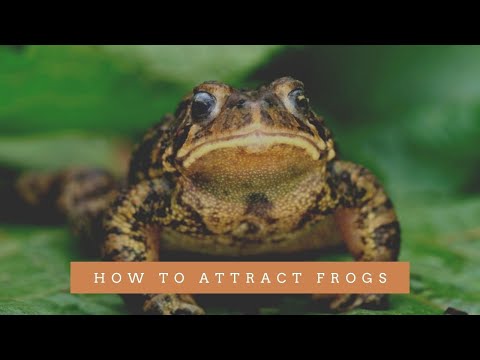
Want frogs to stick around? Make sure they’ve got good food, keep chemicals out, and let nature do its thing.
You’ll end up with a garden where frogs, toads, and even tree frogs can all thrive. Plus, your plants get a boost and pests don’t stand a chance.
Providing Food Sources and Natural Pest Control
Frogs and toads love munching on flies, beetles, slugs, snails, and grasshoppers. These bugs are both dinner and natural pest control.
Plant native flowers and herbs to draw in pollinators and tasty insects.
Companion plants help, too. They attract insects and boost pollination.
Leave some leaf piles, logs, or tall grass for both the frogs and their prey to hide in.
A mix of insects means frogs will keep coming back.
Avoiding Pesticides and Artificial Lighting
Chemical sprays hurt frogs and the bugs they eat. Frogs have sensitive skin that soaks up whatever’s around, so ditch the chemicals.
Try organic gardening—hand-pick slugs or use barriers instead.
Bright lights at night can mess with frogs’ habits. They might scare frogs away or lure bugs somewhere else.
Keep your garden dark after sunset, or use dim, warm lights far from ponds and hiding spots.
Supporting a Balanced Food Web
Your garden isn’t just your own little patch—it’s tangled up in a much bigger food web with frogs, birds, snakes, and all sorts of insects. Birds snack on frogs and bugs, and snakes sometimes go after toads.
If you want to keep things balanced, try giving frogs places to hide. A catio or some dense bushes can give them a safe spot to escape from predators.
Mix up the habitats in your yard. Add a water feature, leave some shaded areas, or let a few spots grow wild for the sake of variety. Each of these supports a different group of creatures.
When you let parts of your garden get a bit wild, you help both pollinators and amphibians. That extra biodiversity usually means healthier plants and fewer pests to worry about.
Curious about building a frog-friendly space? Check out 20 Ways to Attract Frogs, Toads, and Garden Allies Without Chemicals.


