
If frogs disappeared, life around you would shift in ways you probably haven’t considered. Frogs do a lot to keep ecosystems running smoothly.
Take away frogs, and suddenly insect populations could skyrocket. That means more damage to the plants and crops you count on.
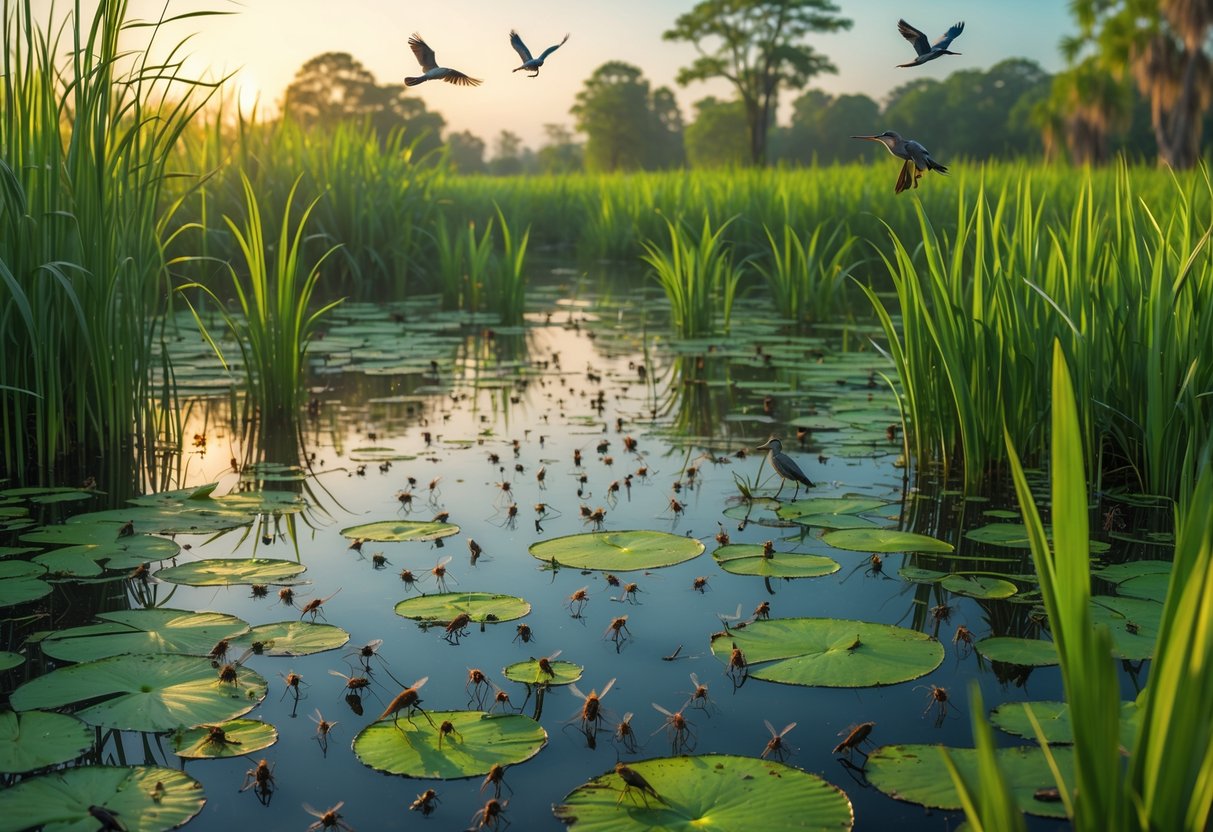
You might not notice frogs every day, but a lot of animals rely on them for food. If frogs vanished, those predators could start struggling, and the effects would ripple out through the food chain.
Losing frogs could mean fewer animals in your local environment and a shift in the natural balance. It’s not just about frogs disappearing—it’s about everything else that depends on them, too.
They’re not just pond-dwellers. Frogs help keep nature ticking in ways that actually matter to you, even if it’s not always obvious.
Ecosystem Disruption Caused by the Loss of Frogs
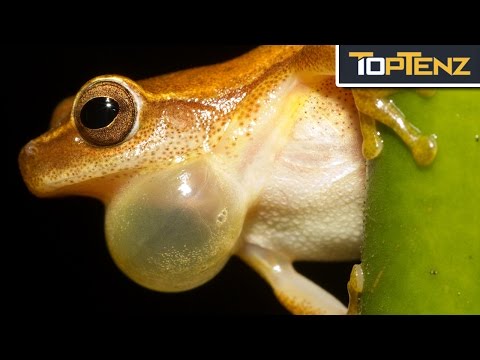
When frogs disappear, the relationships among living things in your environment start to shift. You’ll see changes in what animals eat, the number of insects buzzing around, and the wellbeing of creatures that hunt frogs.
Food Web Imbalance
Frogs sit right in the middle of the food web. Tadpoles munch on algae, which helps keep water clean.
Adult frogs eat insects and stop their numbers from getting out of hand. Without frogs, the balance flips.
Algae can take over when tadpoles aren’t there to eat it. Insects that frogs usually snack on can multiply fast.
This throws off the whole “who eats whom” pattern and creates headaches for all sorts of species nearby.
Population Surge of Insect Species
Frogs gobble up mosquitoes, flies, beetles—you name it. If frogs disappear, nobody’s left to keep those bugs in check.
Suddenly, insects might start taking over. That means more bites, more buzzing, and possibly more diseases like malaria or dengue.
You could also see crops and plants getting hit harder since some insects love to feed on them. It’s not hard to imagine how this could mess with your garden or even local parks.
Impact on Natural Predators
Lots of animals—birds, snakes, fish, and even some mammals—depend on frogs for food. When frogs vanish, those predators lose a major meal.
Without enough to eat, these animals might go hungry or move away to find food elsewhere. That could mean fewer natural predators in your area and even more changes in local wildlife.
You might notice fewer of your favorite birds or animals around. If you want to dig deeper, check out this page about frog extinction impacts.
Environmental and Human Consequences of Vanishing Frogs

When frogs go missing, the environment and human health both take a hit. You might see water quality drop, more diseases spreading, and even trouble with food production.
Increase in Waterborne Diseases
Frogs eat a lot of insects, including those that spread nasty diseases. Without frogs, mosquitoes and other pests can breed like crazy.
That’s when you start seeing more malaria or dengue fever cases. When frog numbers fall, pest control gets weaker.
You end up with more bugs carrying illnesses near water. This isn’t just a local problem—these insects can spread and cause bigger outbreaks.
Decline in Water Quality
Frogs and tadpoles help keep water clean. Tadpoles eat algae and stir up the bottom, letting sunlight reach underwater plants.
Without them, algae can take over, turning water murky and unhealthy for other animals. You might walk by a pond and see it choked with green when frogs aren’t around.
That means less oxygen for fish and insects, and sunlight can’t reach plants below the surface. In the end, water quality drops and the whole ecosystem suffers.
Effects on Crop Yields and Agriculture
Frogs do a lot for crops by keeping pests in check. They munch on insects that would otherwise attack plants, so farmers don’t have to rely as much on chemical pesticides.
When frogs disappear, farmers start dealing with more pests, and that can hit crop yields hard. Suddenly, there’s just less food getting produced.
If pests really take off, our food supply could shrink because more crops might fail or just grow less food. Plus, when farmers use extra pesticides, they end up hurting the soil and water, which makes farming tougher in the long run.
Honestly, frogs are kind of underrated—they quietly help protect crops and make agriculture more sustainable.


