
Ever wonder why frogs seem to vanish during the day? Honestly, they just love to hide out and stay safe.
Frogs hide to protect themselves from predators, dodge harsh weather, and keep their skin moist. Their favorite hiding spots help them survive and stay healthy until they’re ready to hop back out.
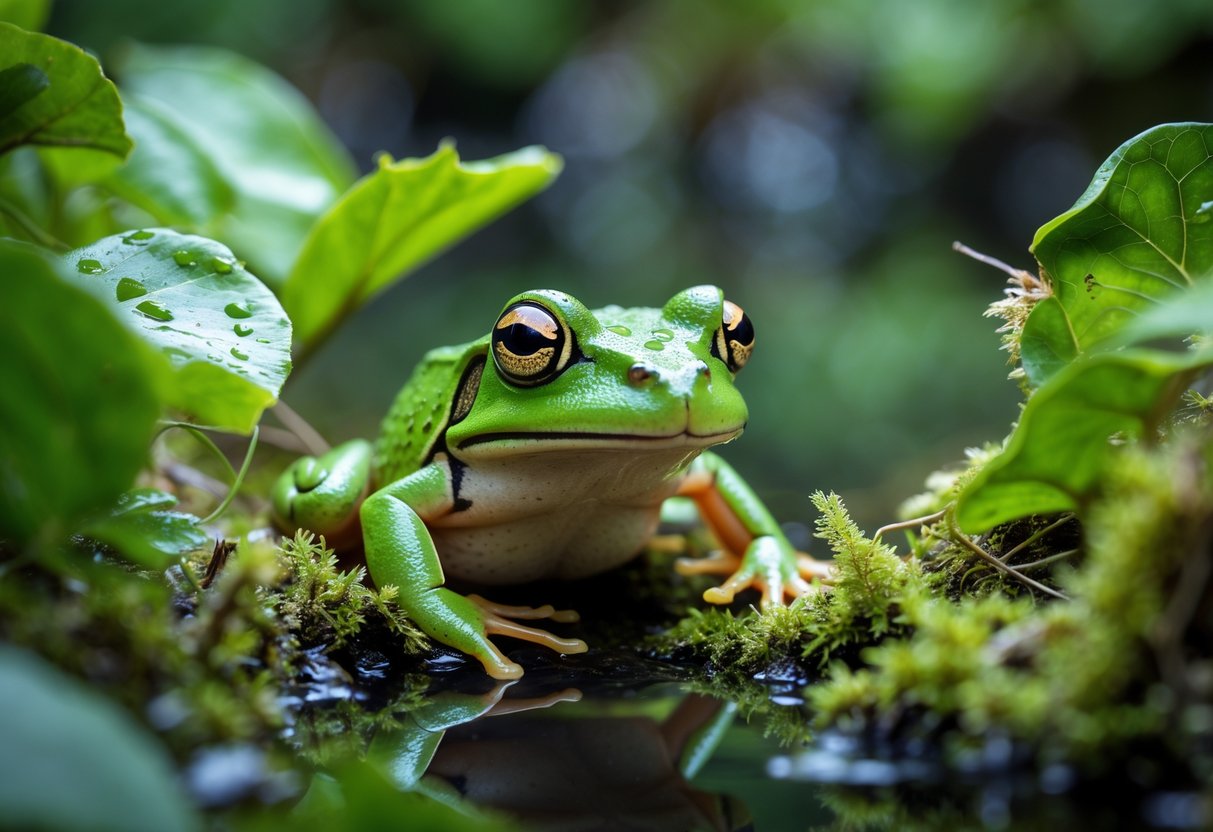
You’ll probably find frogs tucked under leaves, rocks, or close to water where it’s shady and cool. These places give them cover from threats and help them control their body temperature.
Knowing why frogs hide might make you appreciate their clever survival skills a little more.
The Science Behind Frog Hiding Behavior

Frogs hide for a bunch of reasons, all tied right to their survival. They pick hiding spots to stay safe, manage their body’s needs, and steer clear of danger.
When you understand these behaviors, you can see just how well frogs adapt to their environment.
Instincts and Survival Strategies
Your frog’s urge to hide mostly comes from instinct. Frogs evolved to stay out of sight because being seen means trouble.
They use camouflage, blending into plants or soil by matching colors and textures. That makes it tough for predators to spot them.
Some frogs, like the Vietnamese mossy frog, even have bumpy skin that looks just like moss. Pretty wild, right?
Besides physical hiding, some frogs “play dead” if they get caught. This trick fools predators into thinking they’re not worth eating.
Your frog’s instincts push it to pick the safest option every time.
Avoiding Predators and Threats
Birds, snakes, and even bigger frogs—frogs deal with plenty of threats. Staying hidden is one of their best defenses.
If you watch closely, you’ll spot frogs picking out places like under leaves or inside logs to stay sheltered.
Some frogs, like glass frogs, hide their blood during the day by storing red cells in their liver. This reduces visible signs that predators might notice.
It’s a clever trick that helps them disappear even more.
Frogs usually pick hiding spots with quick escape routes, so they can jump away fast if something scary comes close.
These safe zones are absolutely key to their daily survival.
Temperature and Humidity Regulation
Frogs rely on water and moist places to stay healthy. When they hide, they’re often controlling their body temperature and keeping their skin moist.
You might see them hiding more during hot or dry weather to avoid losing water.
The humidity of their hiding spot really matters. Damp places help frogs breathe through their skin and stop them from drying out.
Toads, for example, may hide in burrows to stay cool and moist during the day.
When frogs pick shady or wet areas to hide, they’re trying to balance warmth and moisture.
So, when your frog hides, it’s actually working hard to stay healthy.
Learn more about frog hiding spots and their habits at Discovering the Secret Hiding Places of Frogs.
Species-Specific Hiding Habits and Pet Frog Care

Frogs pick their hiding spots based on their species. Some dig underground, while others just sit still and wait for prey.
If you keep pet frogs, knowing their habits helps you create a safe and comfy home.
You can make simple changes to their tank that fit what your frog really needs.
Burrowing Frogs and Ground Dwellers
Burrowing frogs spend loads of time underground. They dig tunnels or find natural burrows to stay cool and safe from predators.
These frogs often live in dry or warm places where escaping the heat is a big deal.
For example, the Plains Leopard Frog burrows under soil or leaf litter during the day.
If you have a burrowing frog as a pet, give it deep, moist substrate for digging.
Use stuff like coconut fiber or soil that holds humidity but drains well.
Keep the enclosure dark and quiet to mimic their natural hiding places.
This helps your frog feel secure and keeps stress levels low.
Ambush Predators: The Pacman Frog
Pacman frogs act as ambush predators. They hide in leaf litter or soil, waiting for insects or small prey to wander by.
Their wide mouths and strong jaws let them grab food fast.
Often, they bury themselves with just their eyes sticking out, blending in to surprise prey.
To care for a Pacman frog, give it plenty of hiding spots—plants, leaves, or even PVC pipes work.
Use a substrate it can burrow into easily, like coconut fiber.
Keep the tank moist but not soggy, since they like humidity but can get sick if it’s too wet.
Low light during the day helps them stay relaxed.
Best Practices for Pet Frogs
Every frog species comes with its own quirks, but a few care basics really go a long way. Make sure your frog has plenty of hiding spots—plants, logs, or even little caves work great.
Keep an eye on the temperature and humidity. Try to match these to where your frog would live in the wild. It can feel a bit tricky at first, but you’ll get the hang of it.
Clean the enclosure often, though don’t bother your frog too much when you do. Feed your frog what it would hunt in nature—think insects or small invertebrates.
Watch your frog’s behavior closely. If something seems off, like signs of stress or illness, it’s best to catch it early. Honestly, the right setup can make all the difference for your frog’s happiness.
Curious for more tips? Check out this pet frog care guide.


