
After frogs finish mating, they usually just go their separate ways. Most adult frogs leave the breeding site quickly, letting the eggs develop on their own. You won’t often see the parents hanging around to care for their offspring once the eggs are laid.
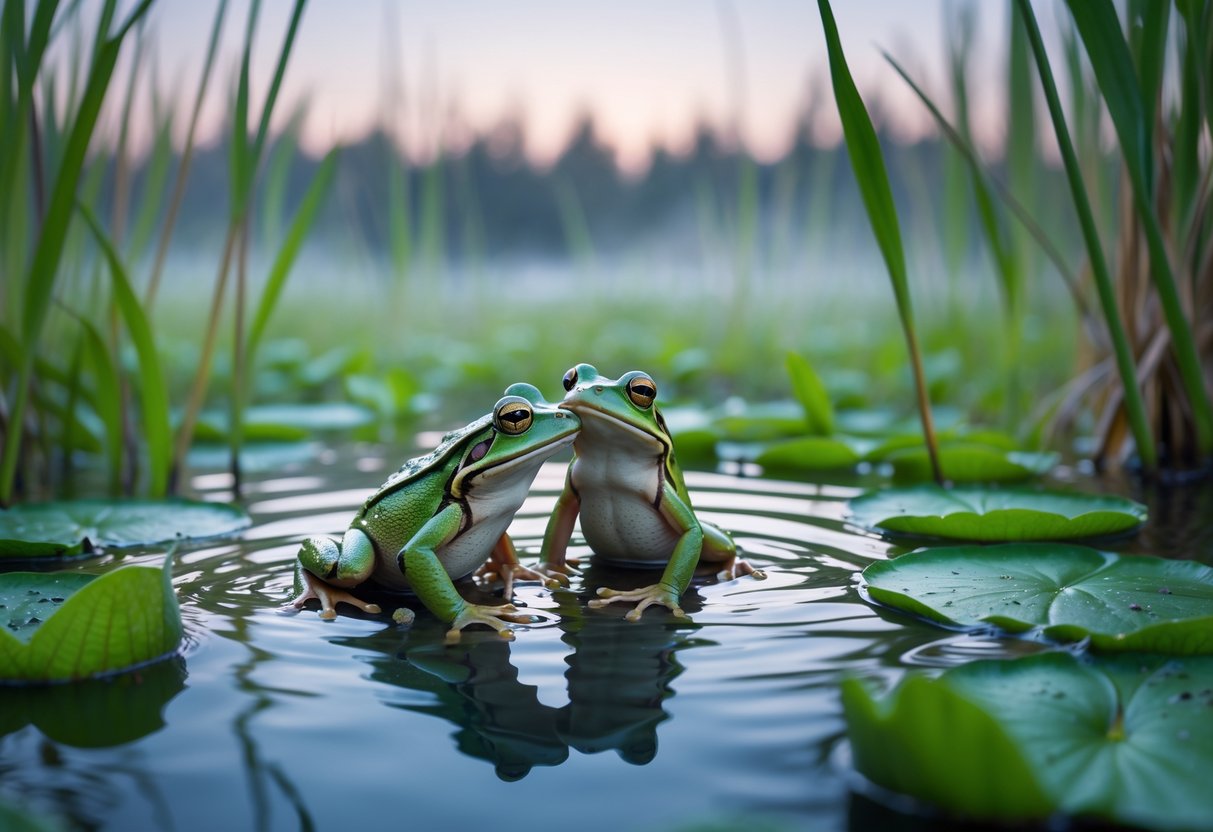
Why don’t frogs stick around like some animals do? Their survival strategy is all about numbers—they produce lots of eggs, so protecting each one isn’t really necessary. This approach helps frogs keep their populations going year after year.
What Happens to Frogs After Mating?
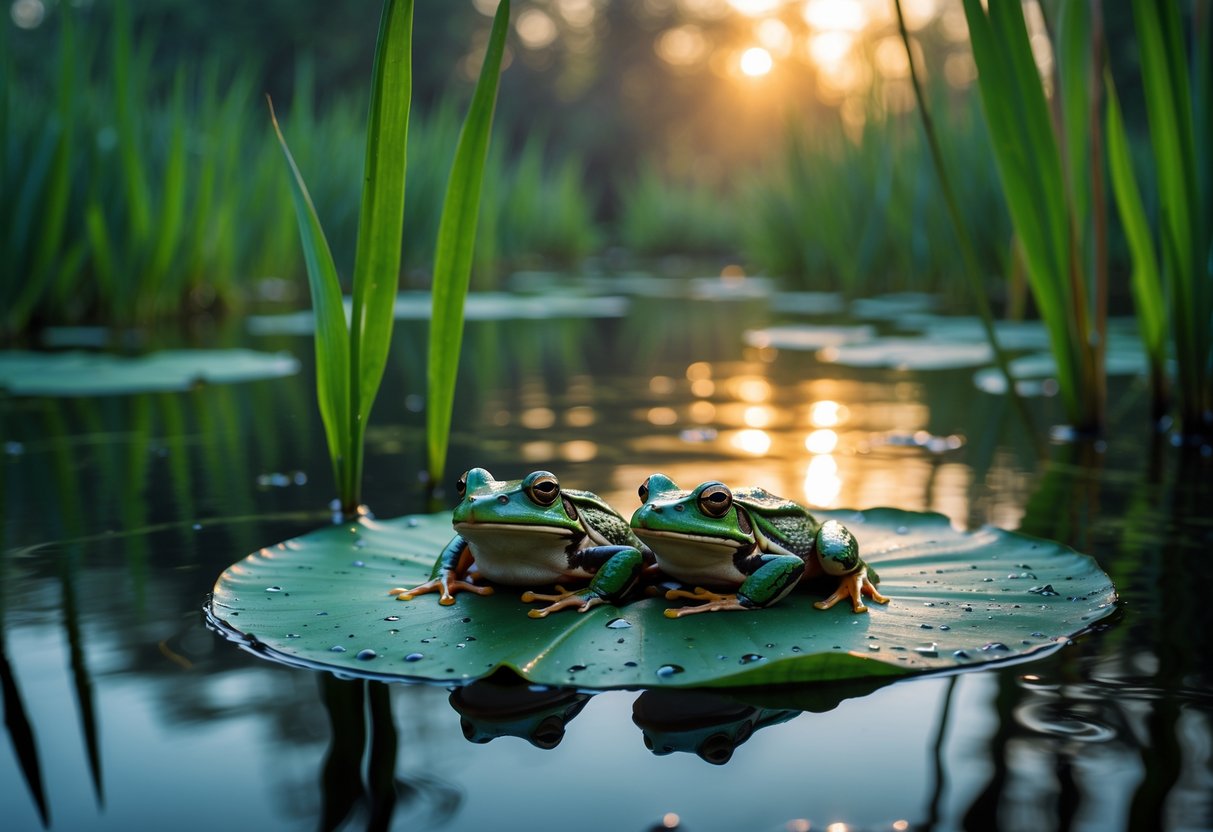
Once frogs finish mating, they just split up and head off in different directions. Some go back to the water, while others wander toward land or find new spots. It really depends on the species and what they need to survive.
Separation of Male and Female Frogs
After mating, the male and female usually part ways pretty fast. The male lets go of the female after he fertilizes the eggs in a process called amplexus.
They don’t stick around to care for the eggs. Both adults leave the eggs in the water to develop alone.
This separation actually helps lower competition for food and space between adults.
Some frog species return to the same breeding spots each season, but they’ll have different partners. Frogs just don’t form long-term bonds after mating.
Dispersal to New Habitats
After breeding, frogs often spread out to look for new places to live. Bullfrogs and green frogs usually stick close to large bodies of water, staying near the shore or right in the water.
Other frogs, like wood frogs, leave the water completely and move into nearby forests or moist areas. This helps them find food and shelter in safer places.
By moving to different habitats, frogs lower their risk of running into predators or dealing with overcrowding.
Frogs need moist spots to stay healthy, so you’ll often find them near ponds, wetlands, or damp plants.
Adult Frog Survival Strategies
Adult frogs use a few different tricks to stay safe after breeding. Most become active at night to avoid predators and the heat.
Being out at night lets them feed and move around with less danger.
They use camouflage too—their skin colors help them blend in with leaves, mud, or water plants. That makes it harder for predators to spot them.
Some frogs hang out near water to keep their skin moist, which they need to breathe through their skin.
Others hide in shaded or tucked-away places during dry times to avoid drying out.
You’ll often spot frogs in quiet, damp places where they can rest and hide until the next breeding season.
The Life Cycle After Mating and Development of Tadpoles

After frogs mate, the eggs they lay begin an important journey. These eggs, called frogspawn, turn into tadpoles, which slowly grow into adult frogs.
This process is packed with changes that help tadpoles survive in water before they become land animals.
Frogspawn and Egg Placement
The female frog releases her eggs, and the male fertilizes them outside her body. That’s called external fertilization.
The eggs look like clusters called frogspawn—jelly-like and clear with tiny black dots inside. Those dots are the embryos.
Frogspawn sticks to plants or floats on water. The jelly keeps the eggs moist and offers some protection.
You’ll usually see frogspawn in calm waters like ponds or lakes. Where the eggs end up matters; it helps keep them safe from predators and stops them from drying out.
The male often stays nearby for a bit, sometimes holding the female in a grip called amplexus with his nuptial pads. That grip helps make sure the eggs get fertilized properly.
Transformation from Tadpoles to Adult Frogs
Once the eggs hatch, tiny tadpoles wiggle out. At first, they breathe with gills and swim using their tails.
They mostly eat plants and algae.
Over several weeks, tadpoles grow legs and eventually lose their tails. Their lungs start working so they can breathe air.
This whole change from tadpole to frog is called metamorphosis. It takes about 7 to 12 weeks, depending on the temperature and the species.
You can actually watch tadpoles start hopping on land as their bodies change. They stop swimming like fish and learn to live both in water and on land.
Metamorphosis in Different Frog Species
Not all frogs grow up the same way. Some that live in colder places actually take much longer to finish metamorphosis.
For example, frogs in high mountains might stay as tadpoles all through the winter. That’s a long wait just to become a frog, isn’t it?
Other species lay their eggs in temporary pools. Their tadpoles have to develop fast before the water dries up.
Some frogs do things differently and skip the tadpole stage altogether. They hatch straight out as tiny frogs, which is honestly kind of wild.
Where frogs live and what their environment is like really shapes how their life cycle works. These differences help them survive and fit into their homes better.
You’ll spot all sorts of unique metamorphosis styles if you look at frog species around the world.
If you’re curious, you can dive deeper into the life cycle of frogs.


