
Ever wondered if frogs really need to spend time on land? Well, it honestly depends on the species. Some frogs split their time between water and land, while others, like African dwarf frogs, just stick to the water and never bother with land at all. Most frogs do need to head onto land at some point, but those fully aquatic types can live their whole lives underwater without missing out.

It’s kind of fascinating to see how some frogs absolutely need land for things like resting, hunting, or breeding. Others just don’t care. If you’ve got aquatic frogs as pets, you probably don’t even need to worry about giving them land at all.
Understanding these differences can help you care for frogs better—or maybe just satisfy your curiosity about these quirky creatures. Let’s dig into which frogs use land, why they do it, and how their bodies handle both worlds.
Why Frogs Need Both Water and Land
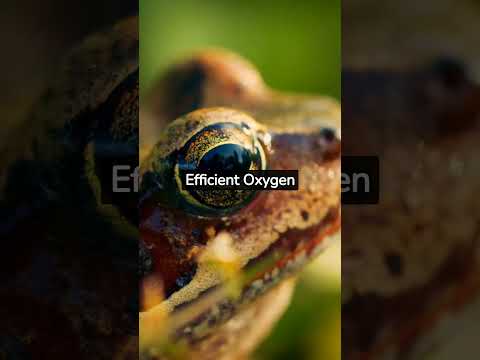
Frogs rely on both water and land to make it through their life cycle. Water gives their young a safe place to grow.
Land offers food and shelter once they’re adults. Seeing how frogs use both places really helps explain why they need each one.
Amphibian Life Cycle: From Tadpoles to Adult Frogs
Frogs start out as eggs in water—think ponds, lakes, or streams. After hatching, tadpoles breathe with gills and live underwater.
They eat plants and tiny critters while they grow. As tadpoles change, they go through metamorphosis, slowly turning into frogs.
This process gives them lungs and legs, so they can breathe air and move around on land. You might notice them hanging out near the water’s edge, taking in more air as they get older.
Essential Roles of Water in Frog Development
Water is absolutely crucial for most of a frog’s life. Eggs hatch and tadpoles develop safely in water.
The moisture keeps eggs from drying out. Adult frogs usually stay close to water to keep their skin damp, which helps them breathe through it.
Freshwater spots also give frogs a place to lay eggs and raise their young. Without water, most frogs just wouldn’t make it.
Terrestrial Needs of Adult Frogs
Once frogs become adults, they spend a lot of time on land. Land gives them access to insects and other small snacks.
They use their strong legs to hop away from danger and catch food. Frogs usually hide under leaves or rocks to stay cool and safe.
Even though adults prefer land, they still need water nearby for breeding and keeping their skin moist.
Key Adaptations and Environmental Factors

Frogs have some pretty neat features that let them live in both water and on land. Their bodies help them breathe with lungs and skin, move around, manage water, and handle dangers around them.
These adaptations really matter for their survival.
Respiratory Systems and Skin Adaptations
Frogs can breathe in two ways: with lungs and through their skin. On land, your frog uses its lungs.
Underwater, it relies on skin to soak up oxygen. The skin has to stay moist for this to work.
This skin also protects frogs by keeping them from drying out, thanks to a slimy mucus they make. Some frogs even have toxins in their skin to keep predators away.
Because skin works as both a breathing organ and a shield, it’s super sensitive. Bad water or pollution can mess up a frog’s skin and breathing, so clean habitats matter a lot.
Locomotion: Webbed Feet and Movement
Webbed feet are honestly one of the coolest things about frogs in water. The webbing acts like paddles, helping your frog swim quickly and steer better.
That’s a huge advantage in ponds or slow streams. On land, frogs don’t really need those webbed feet.
Instead, they use their strong back legs to jump far—great for escaping threats or snagging bugs. Some frogs come with sticky toe pads that help them climb trees or slick surfaces.
All these features let frogs survive and explore both wet and dry places.
Challenges: Osmoregulation and Pollution
Frogs have to constantly balance water and salt in their bodies—a process called osmoregulation. Living in both water and on land makes this tricky.
Freshwater spots can have different salt levels, so frogs adjust by absorbing or releasing water through their skin and kidneys. If a frog loses too much water on land, it dries out fast.
Pollution is a real threat. Chemicals and waste in water can mess up this balance and hurt a frog’s skin, making it harder to breathe or stay healthy.
Protecting water quality is key if we want frogs to stick around.
Conservation Efforts for Frog Habitats
Frog populations keep dropping because people destroy their habitats and pollute the environment. Conservation groups work hard to keep wetlands and forests safe for frogs.
You can actually make a difference by backing projects that protect wetlands or cut down on pollution. That way, frog habitats stay healthier.
Some groups set up protected reserves or bring back old ponds. Others try to cut down on pesticides. Teaching communities why frogs matter also helps keep these amphibians around.


