
Ever wondered if common frogs really need water to survive? The answer’s a bit more interesting than you might think.
Frogs don’t drink water the way we do—they actually absorb it straight through their skin. Because of this, they always have to stay close to moisture or damp places.
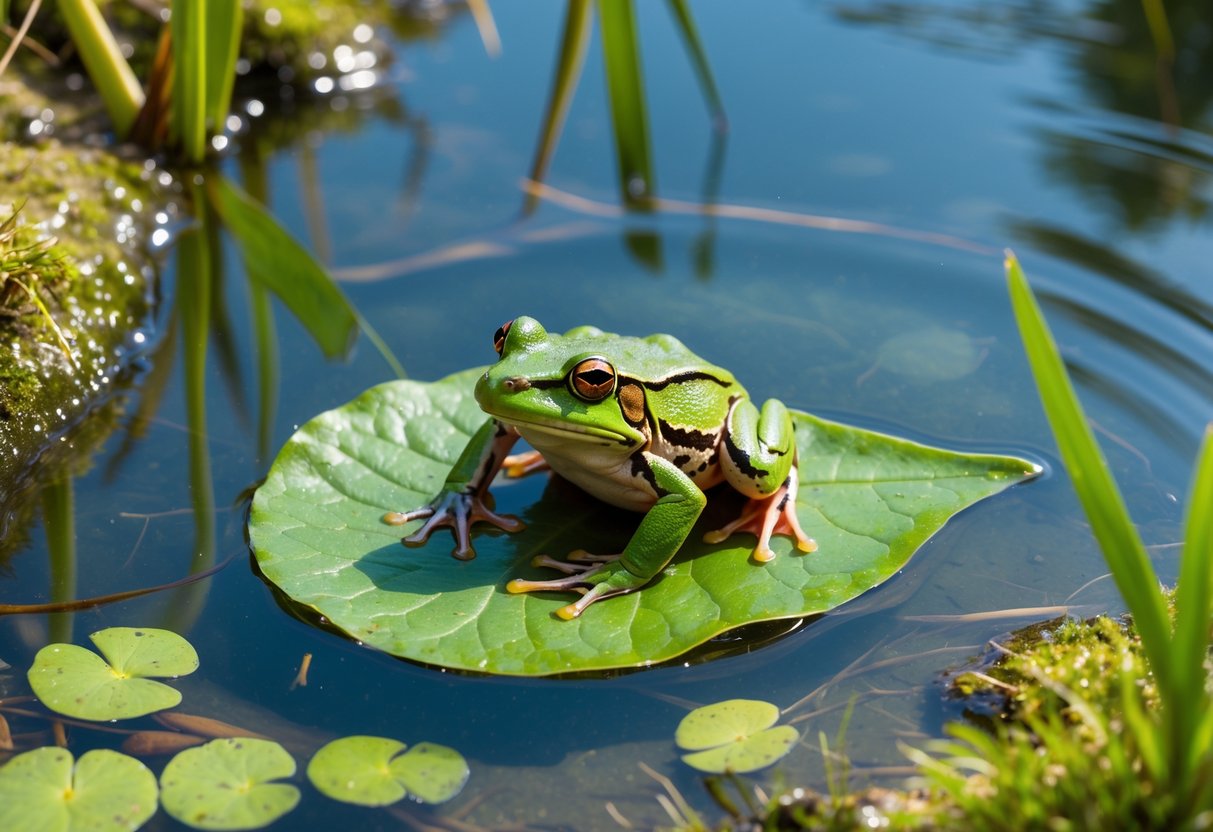
Adult frogs can spend some time on land, but they really depend on water to keep their skin moist. That’s crucial for their breathing and health.
You’ll find them hanging around ponds, wet forest floors, or even shallow puddles. Water is a huge part of a frog’s daily life.
It’s kind of fascinating how important water is for frogs. No wonder you spot them near damp places all the time.
Curious about how frogs make it without actually drinking and why water matters so much to them? Let’s dig into the details behind their unique water needs.
Why Do Common Frogs Need Water?

Water is a big deal for common frogs. They need it to keep their skin moist, help them breathe, and to breed.
If you want to make your yard frog-friendly, knowing these things really helps.
Hydration Through Skin Absorption
Frogs don’t sip water like dogs or cats. Instead, they pull in water right through their skin, especially from a spot on their belly called the drinking patch.
Their skin has to stay moist, or they’ll dry out fast.
Since frogs are amphibians, their skin is thin and super sensitive. Moist skin also lets them survive on land, but it means they lose water easily to evaporation.
If their skin dries, dehydration and health problems can follow.
Try keeping the area around ponds or gardens damp with plants or wet soil. That way, frogs can stay hydrated and comfy.
Importance of Water for Breathing and Survival
Frogs use both their lungs and skin to breathe. For their skin to absorb oxygen, it needs to stay wet.
Once their skin dries out, they can’t get enough oxygen. That’s obviously not great for their survival.
Frogs react quickly to changes in their environment. If water or moisture drops, their skin can’t do its job.
Set up spots with water and shade, and you’ll help frogs breathe better and stay healthy.
Water’s Role in Frog Reproduction
Water is a must when it comes to breeding. Adult frogs head back to ponds or water bodies during mating season to lay eggs.
Frog eggs and tadpoles can only develop in water.
Tadpoles live fully in water and need some depth—about 12 to 24 inches is good. It gives them room to grow and helps keep them safe from sudden temperature swings or hungry predators.
If there’s no clean water when it’s time to breed, the frog population can take a hit.
Keeping water clean and steady supports frogs through their whole life cycle.
Water Quality and pH Requirements
Frogs are picky about water quality. They need clean water with a pH between 6.5 and 7.5 to keep their skin and eggs healthy.
Chemicals, pesticides, or heavy metals in water can hurt frogs. Toxins damage their skin, slow down tadpole growth, and cut oxygen in the water.
Skip the pesticides near your pond and check water for pollutants and pH levels now and then. Aquatic plants boost oxygen and help filter water naturally.
Clean, balanced water is key for frogs at every stage.
You can learn more about how much water frogs need and how deep.
Frog Life Stages and Habitat Needs

Frogs need water at different times in their lives, and how much depends on their stage and habits.
Some frogs stick close to water, while others wander on land but still need dampness. Water supports tadpoles, adult frogs, and keeps their skin working right.
Tadpoles and Their Aquatic Environment
Tadpoles live totally in water. When frogs lay eggs, they usually pick ponds, lakes, or other freshwater spots.
These eggs are soft and jelly-like, so they can’t survive without moisture. Once tadpoles hatch, they breathe with gills and swim using their tails.
Water lets them feed and grow, and gives them oxygen. If water dries up or gets polluted, tadpoles can’t make it.
They don’t have lungs yet, so they can’t survive on land. Their home has to stay moist and clean while they grow.
Aquatic Frogs vs. Terrestrial Frogs
Some adult frogs spend most of their time in water—these are aquatic frogs. You’ll find them near ponds, marshes, or wetlands, swimming and hunting for food.
Their skin stays wet by soaking up water constantly.
Other frogs are more land-based. They live in forests, gardens, or fields, but still need water to breed and keep their skin moist.
Both types need fresh water nearby. Aquatic frogs like deeper water, while terrestrial frogs just need shallow spots or damp places to stay hydrated and lay eggs.
Water Needs of Adult Frogs on Land
Even frogs that mostly live on land have to find water pretty often. Their skin needs moisture for breathing, since they pull in oxygen through it.
Dry skin can lead to dehydration or even death.
You’ll often see adult frogs heading back to ponds or wet areas to breed. They lay hundreds of eggs in water to give the next generation a shot.
Water also helps adult frogs control their body temperature and get rid of waste.
If you keep frogs as pets, always give them fresh, shallow water to soak in. It really keeps them happy and healthy.
Skin Glands and Water Retention
Frog skin has some pretty unique glands that help them deal with water. Mucus glands make the skin slick and moist, which lets frogs soak up water and keeps them from drying out too quickly.
Granular glands step in with toxins to keep predators away. Frogs also use these glands to manage their moisture by releasing different secretions.
Because frog skin is so thin and porous, they can lose water really fast. You’ll usually find frogs in damp places or hanging out near water since that’s how they keep from drying up.
If you think about it, these little glands are a big reason why water is such a huge part of a frog’s daily routine.


