
When you spot a frog hopping through your garden, it usually means your yard has the right mix of water, bugs, and hiding spots. Frogs don’t just show up anywhere—they’re pretty picky about where they live.
A frog hanging around basically tells you your garden is doing something right. It’s healthy, natural, and inviting. Of course, frogs can help your plants or, sometimes, cause a little trouble.
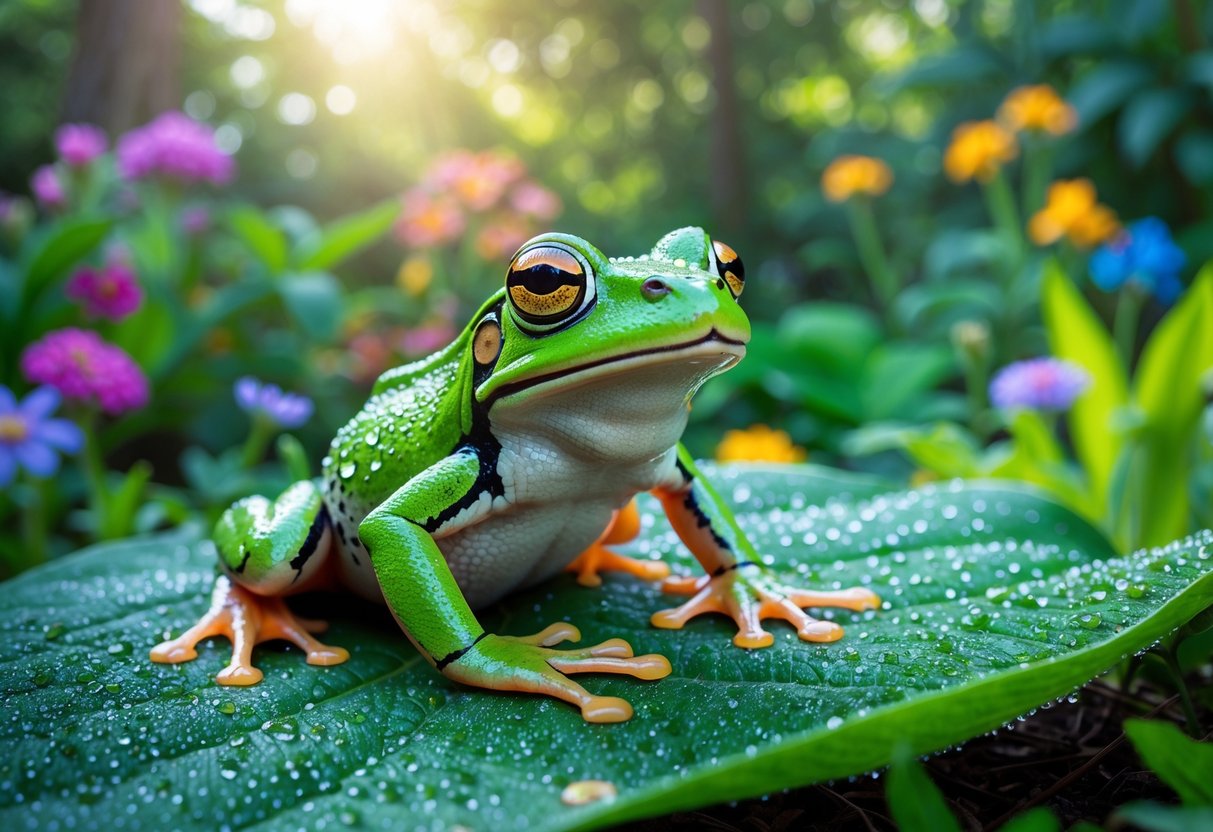
You might not expect it, but frogs actually help by eating annoying bugs like flies and caterpillars. On the flip side, they might dig around and disturb your plants if they burrow.
If you keep finding frogs, there’s probably water nearby, or maybe some messy corners where they feel safe. That’s just how they are.
Maybe you want frogs for their bug-eating skills, or maybe you’d rather not have them at all. Either way, knowing why they’re there is the first step.
We’ll get into why frogs pick your garden and what you can do about it. If you’re curious, here’s another article that dives into reasons you’ve got frogs hanging around.
Why Frogs Are Found in Gardens
Frogs show up because your garden gives them food, water, and a place to hide. They need these things to survive.
You’ll often see them near damp spots or where bugs gather. Certain features just make your garden a better home for frogs.
What Attracts Frogs to Your Garden
Frogs want cover and safety, so they search for overgrown plants, tall grass, or piles of leaves and logs. These hiding spots keep them safe from predators.
They also avoid chemicals. If you use fewer pesticides, your garden feels safer for frogs.
A natural, chemical-free space makes it easier for them to thrive. Managing how tidy or wild your garden is can really change how many frogs you see.
Role of Water Sources and Features
Frogs can’t live without water. They need it for living, breeding, and just staying moist.
If you’ve got a pond, a waterfall, or even a big puddle, frogs will probably stop by. Water gives tadpoles a place to grow up.
When the weather warms up and frogs start breeding, standing water becomes a hot spot. If you want fewer frogs, you might try covering ponds or draining puddles.
On the other hand, keeping your water clean and fresh helps frogs stick around. Just be ready for more croaking when they’re breeding!
The Importance of Garden Pests and Insects
Frogs eat tons of bugs. If your garden has lots of insects—flies, caterpillars, snails—it’s basically an all-you-can-eat buffet for them.
They do a good job controlling pests, but they don’t pick and choose. Sometimes they’ll eat helpful bugs, like butterflies or earthworms.
If you’re seeing more frogs, you probably have a lot of insects hanging around. Cutting back on overgrowth or cleaning up old fruit and veggies can help reduce both bugs and frogs.
Want more info? Here’s what happens when you have a lot of frogs in your yard with water features.
How Frogs Affect Your Garden Ecosystem

When you see a frog in your garden, you’ve probably got a helpful neighbor. Frogs play a big part in keeping your outdoor space balanced.
They control pests, support wildlife, and give you clues about how healthy your garden really is.
Natural Pest Control Benefits
Frogs are like your personal pest squad. They eat mosquitoes, flies, beetles, slugs, and snails—pretty much any bug that tries to mess with your plants.
One frog can chow down on up to 100 insects in a single night. That’s a lot of free pest control.
They hunt mostly after dark, so they catch bugs you don’t even see. Frogs don’t eat your plants, so your flowers and veggies are safe.
If you encourage frogs to stay, you might need fewer chemical sprays. That’s a win for your garden and the planet.
Balancing the Garden Ecosystem
Frogs keep things in check. They eat insects, but they also end up as food for birds, snakes, or other animals.
This back-and-forth keeps any one species from taking over. If you have frogs, you’re helping a whole bunch of other creatures too.
Native plants make your garden even better for frogs, offering them shelter and places to breed. When everything works together, your garden stands up better to problems like disease or drought.
Frogs as Indicators of Environmental Health
Frogs are sensitive. Their skin soaks up whatever’s in your soil and water.
If you see frogs, that’s a good sign your garden is clean and healthy. But if they disappear, it might mean something’s wrong—pollution, chemicals, or habitat loss.
Keep an eye (or ear) out for frog activity. Their calls and breeding patterns can even tell you about changes in weather or seasons.
It’s a handy way to get a feel for your garden’s health, sometimes before you notice anything else.
Potential Drawbacks and How to Manage Frogs
Frogs can do wonders for a garden, but let’s be honest—if too many show up, they might start causing small headaches. Sometimes they’ll mess with your compost piles, or maybe keep you up at night with their noisy calls.
Non-native frogs sometimes show up and compete with local species. They might even spread diseases, which is definitely not ideal.
If you want to keep frogs in certain areas and cut down on surprise visits, try moving old pots or wood piles out of the way. That usually helps.
Standing water? Frogs love it, so if you’re trying to keep them at bay, it’s best to avoid leaving water around. On the flip side, planting native plants and offering clean water can attract frogs while still keeping things in check.
Just go easy when managing frogs—it’s all about keeping your garden healthy without letting things get out of hand.


