
Ever wondered if a frog is a lucky animal? Honestly, plenty of people think so—frogs are widely seen as symbols of good luck and positive change. Across the globe, folks believe frogs bring prosperity, health, and even a bit of protection. When you spot a frog, it might not be just a random thing—it could actually be a sign that good things are coming your way.
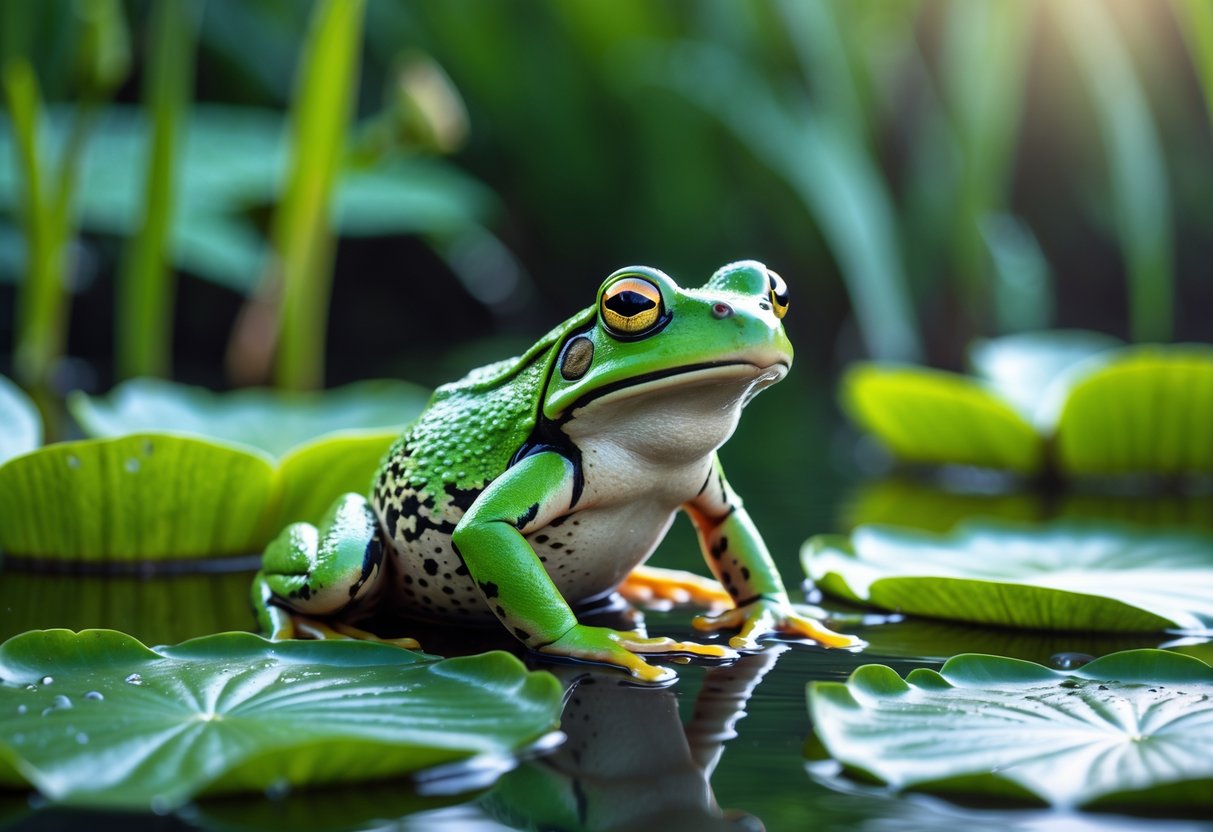
Frogs show us growth and transformation. They move through such different stages in life, which is honestly kind of inspiring.
They encourage you to take action and keep a positive mindset, especially when you’re feeling stuck or unsure. Whether a frog hops into your yard or pops up in your dreams, their presence usually brings a hopeful message for your future.
You might be surprised by how many traditions connect frogs with luck and abundance. Learning about these beliefs can really open your eyes to why frogs have such a special place in spiritual and cultural stories.
Curious about what frogs might mean for your life? They might just inspire you to jump at new opportunities.
Is a Frog a Lucky Animal? Exploring the Roots of Belief

People have linked frogs to luck, good fortune, and even protection for ages. From ancient myths to modern spiritual practices, frogs just keep popping up as unique little symbols of luck and superstition.
Origins of Frog Luck in Global Cultures
Frogs have symbolized luck and prosperity for centuries in different cultures. In ancient Egypt, people connected frogs to fertility and life, mostly because they represented water and renewal.
In East Asia—especially Japan and China—frogs stand for wealth and good fortune. The Japanese three-legged money frog (kanegama) is a popular talisman that’s supposed to attract money and success.
In Latin America, frogs often stand for rain and a good harvest, so they’re all about abundance.
These old beliefs show that frogs were never just animals—they were signs of change, growth, and prosperity.
Lucky Animals and the Unique Role of Frogs
Frogs stand out from other lucky animals because they’re all about transformation as well as luck. Frogs start as tadpoles and then become adults, symbolizing growth and new beginnings.
Many cultures see frogs as protectors that bring blessings and positive energy to your home. You’ll find frog figurines or amulets made to attract good fortune and keep away bad luck.
Since frogs live in water and on land, people connect them to emotional and spiritual cleansing. This ability to exist in two worlds gives frogs a unique spot among lucky animals.
Superstitions and Modern Spiritual Practices
These days, you might hear stories about how finding a frog or having one show up in your home means good fortune and positive changes are on the way. Some traditions say you’ll get blessings if you rescue a frog or carry frog charms.
In spiritual practices, frogs often act as spirit animals, guiding you through change and healing. They remind you to stay open to growth and renewal and to protect yourself during uncertain times.
Embracing frogs in your life can connect you to old beliefs about luck. You can invite positive energy with simple rituals or frog symbols.
If you want to dig deeper into frog symbolism, check out The Luck Of Frogs: Cultural Beliefs, Symbolism, And Superstitions.
Frog Symbolism and Cultural Significance

Frogs mean a lot of things—change, growth, and good fortune. They pop up in different spiritual traditions and cultures as signs of wealth, healing, and new chances.
Understanding their meaning helps you see why frogs often get labeled as lucky animals.
Frog Symbolism: Transformation, Renewal, and Metamorphosis
Frogs start out as tadpoles and then become adults. This metamorphosis makes them powerful symbols of transformation and renewal.
When you see a frog, maybe think about your own chances to grow and change. They remind you that change can bring new life and fresh opportunities.
Frogs also stand for rebirth, showing how you can start over even after rough times. This ties into spiritual evolution, where personal growth often means moving through different stages—kind of like a frog’s life cycle.
Frogs in Chinese Culture: Feng Shui, the Money Frog, and Wealth
In Chinese culture, frogs symbolize wealth and good luck, especially the Money Frog or “Three-legged Toad.” People place this frog near entrances or in wealth corners at home using Feng Shui.
You can try attracting financial success by keeping a Money Frog facing inward, which means money comes to you. Frogs are linked to water, a natural symbol of abundance, making them important for bringing prosperity and helping your finances grow.
Frogs in Hinduism and Other Spiritual Traditions
In Hinduism, frogs stand for fertility and good harvests. They show up in stories and ceremonies that remind you of nature’s cycles and new beginnings.
Frogs symbolize the balance between rain and earth, leading to growth and peace. Many spiritual traditions see frogs as messengers of healing and transformation.
You might find frog meanings tied to emotional health and spiritual renewal, encouraging you to let go of old patterns and welcome positive changes into your life.
Love, Abundance, and Healing: The Broader Meanings of Frogs
Frogs aren’t just about wealth or change—they also represent love, abundance, and healing. Their deep connection to water ties them to emotions and cleansing, nudging you to find some peace or balance inside yourself.
Maybe you keep spotting frogs in your life. That could mean it’s time for emotional growth or even a fresh start in a relationship. Frogs push you to welcome abundance, not just in your wallet, but in your health and happiness too.
Honestly, it’s no wonder so many cultures see frogs as hopeful, positive symbols. They just seem to bring that energy with them wherever they go.
For more about frog symbolism, check out Frog Symbolism and Meaning – Your Spirit Animal and Frog Symbolism & Meaning & the Frog Spirit Animal – UniGuide®.


