
Ever wondered when frogs seem to be everywhere? It mostly depends on the time of year and the weather. Frogs get the most active during the warmer months—think spring and summer—when temperatures go up and conditions feel just right for them to move, mate, and call.
You’ll hear their croaks and spot them hopping near ponds, lakes, and wetlands during this time.
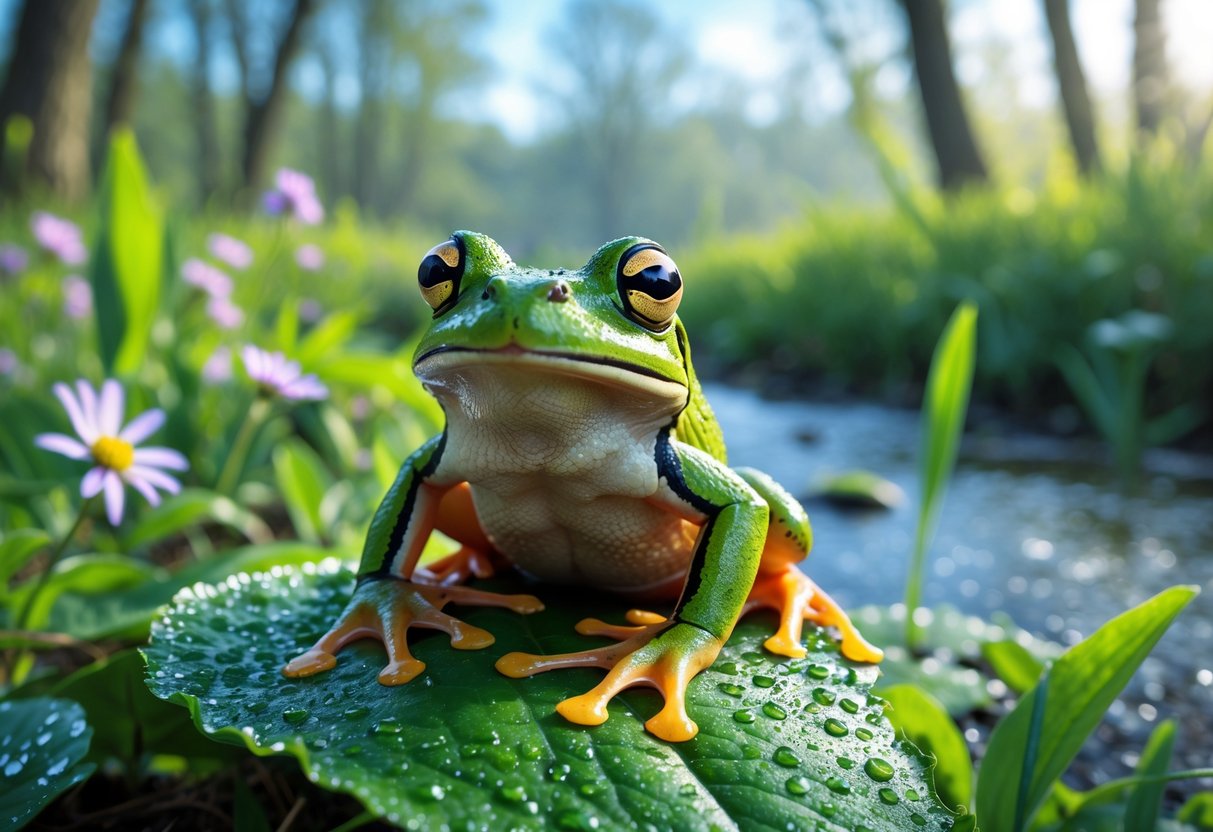
Spring shakes things up for frogs. They wake up from winter and kick off their breeding season. Warmer days and extra rain encourage frogs to come out of hiding, so it’s a great time to spot them.
Summer nights bring even more frog action. Frogs usually get louder and busier after dusk, when the air feels warm and humid.
If you know when frogs are most active, your outdoor adventures get a lot more interesting. Want to hear their calls or see them in their favorite spots? Picking the right season helps you find them where they thrive.
For more details on what affects frog activity and the best times to look, check out this article on frog activity patterns.
Seasonal Patterns in Frog Activity
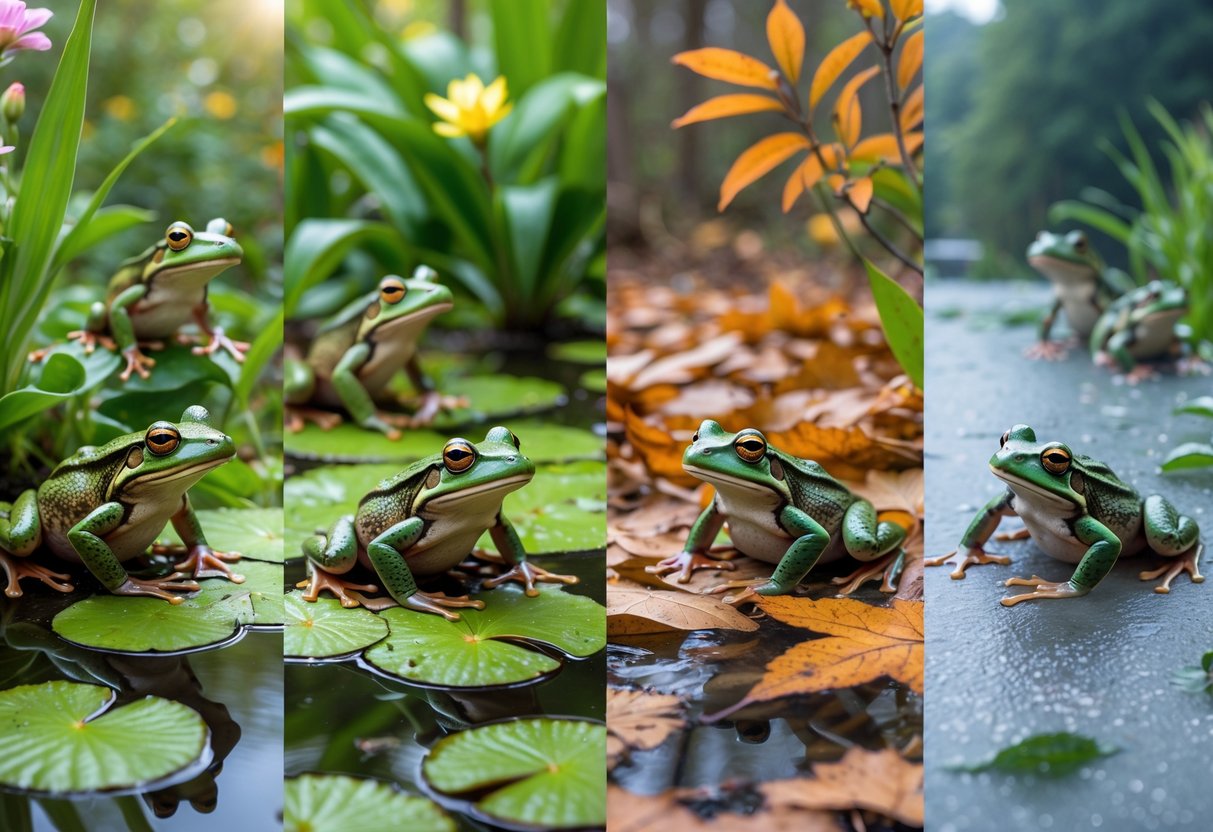
Frogs have a pretty clear rhythm every year. Their behavior shifts with the seasons, shaped by temperature, moisture, and their need to breed or survive the cold.
If you know these patterns, you’ll have a better shot at finding frogs in your garden or at a nearby pond.
Spring: Emergence and Breeding
Spring wakes frogs from hibernation as temperatures climb. Usually, this happens once the weather stays above 50°F (10°C).
Male common frogs, like Rana temporaria, start calling from breeding ponds to attract mates. It’s noisy, but honestly, that’s half the fun.
This is when frogs lay eggs in garden ponds or pools made by spring rain. The eggs hatch into tadpoles, and all spring, you’ll see them growing and changing.
You might notice frogs moving en masse toward water during this time. Most adult frogs become active after months of hiding.
They stick close to water to breed and start eating again to regain energy.
Summer: Foraging and Growth
In summer, frogs focus on eating. They hunt insects around garden ponds and shady patches, trying to get stronger.
Tadpoles from spring hatchlings keep developing and by mid-summer, many start turning into froglets.
Adult frogs go mostly nocturnal, dodging the heat and saving moisture. You might still hear some calls, but now it’s more about feeding and defending their turf.
Warm weather and rainstorms make it perfect for frogs to hunt and move around. This season is crucial for them to store up energy before it gets cold again.
Autumn: Preparation for Hibernation
Autumn slows frogs down. Cooler temperatures tell them it’s time to get ready for winter.
Adult frogs eat a lot to build up fat for hibernation. They start searching for safe winter spots.
Terrestrial species, like common frogs, burrow into soil or leaf litter near ponds. Aquatic frogs swim to deeper water, where freezing isn’t as likely.
You’ll see less frog activity as they enter a state of torpor, saving energy before winter hits.
Winter: Hibernation and Dormancy
Winter sends frogs into hibernation to survive the cold and lack of food. Most adult frogs hide underground, in mud, or under logs near ponds.
Their metabolism slows way down, so they barely need any energy. Tadpoles that don’t fully develop usually don’t make it, but froglets find their own safe spots.
You won’t see much frog movement during this dormant stretch. They stay tucked away until spring warmth and rain return, starting the whole cycle over again.
For more on this, check out When Do Frogs And Toads Emerge.
Key Environmental and Habitat Influences
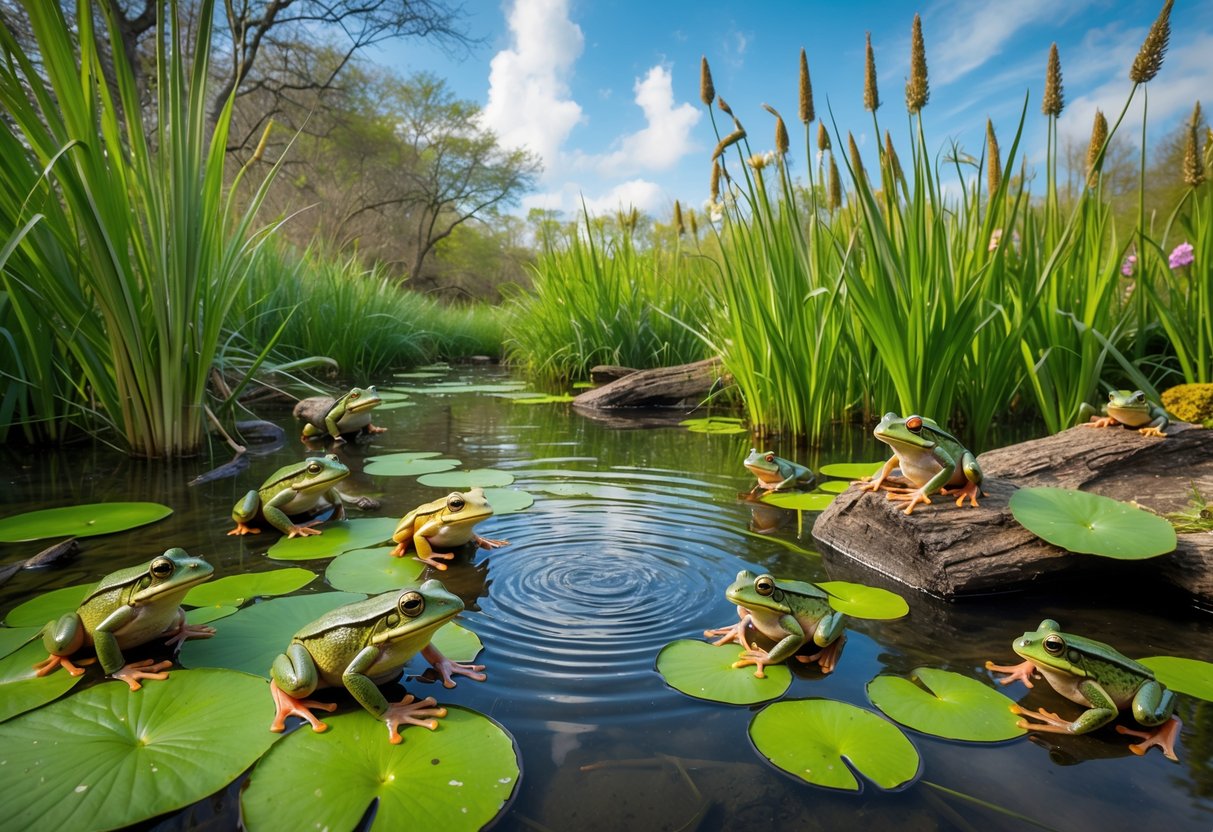
Frog activity really depends on what’s going on around them. Temperature, humidity, sunlight, and their habitat all play a part.
Different species react in their own ways to these factors.
Impact of Temperature and Humidity
Temperature makes a huge difference for frogs. Most come out when the air gets warm because they need the environment to help regulate their body heat.
If it’s too cold, frogs stay hidden. If it’s too hot, they hide to avoid drying out. Humidity matters just as much.
Frogs need moist skin to breathe and stay healthy. When it’s dry, they keep still. High humidity means you’ll probably hear frogs calling or see them hopping near water.
Warm, wet days usually mean more frog action.
Role of Sunlight and Rainfall
Sunlight changes frog behavior, too. Many frogs get active early in the morning or at dusk, when the sun isn’t so harsh.
They avoid the midday heat to stay cool and hydrated. Some species even adjust their routines based on how much daylight they get each season.
Rainfall, though, is the real game-changer. After it rains, the air gets humid and ponds fill up—perfect for breeding or hunting.
Frogs often show up quickly after a rain, especially during breeding season. It’s wild how a quiet spot can turn into a frog party overnight.
Urban and Natural Habitats
Where frogs live shapes how they act. In natural places like forests or wetlands, frogs enjoy plenty of cover and water, so their rhythms follow the weather and seasons.
In cities, frogs adapt by finding green spaces or backyard ponds. You might find frogs in your yard if there’s enough water and shelter.
Urban frogs deal with drier conditions and noise, which can change when they’re active. They might be more cautious or shift their activity to quieter times.
Species and Daily Activity Differences
Frog species each seem to have their own routines. Some get moving in the daylight—they’re the diurnal frogs. But honestly, most frogs prefer the night.
Their schedules really come down to how their bodies deal with heat and drying out. Diurnal frogs might hop around during cool mornings or just before dusk.
Other frogs wait until after sunset, taking advantage of the cooler, damp air. Your local frogs’ habits usually match whatever the climate and habitat throw at them.
If you figure out their usual patterns, you’ll have a much better shot at spotting them.


