
Ever find yourself wondering why a frog popped up in your garden? Honestly, it’s simple: your garden has what frogs crave—water, food, and a bit of shelter. Frogs go where they can snack on bugs, stay damp, and hide out when they need a break.
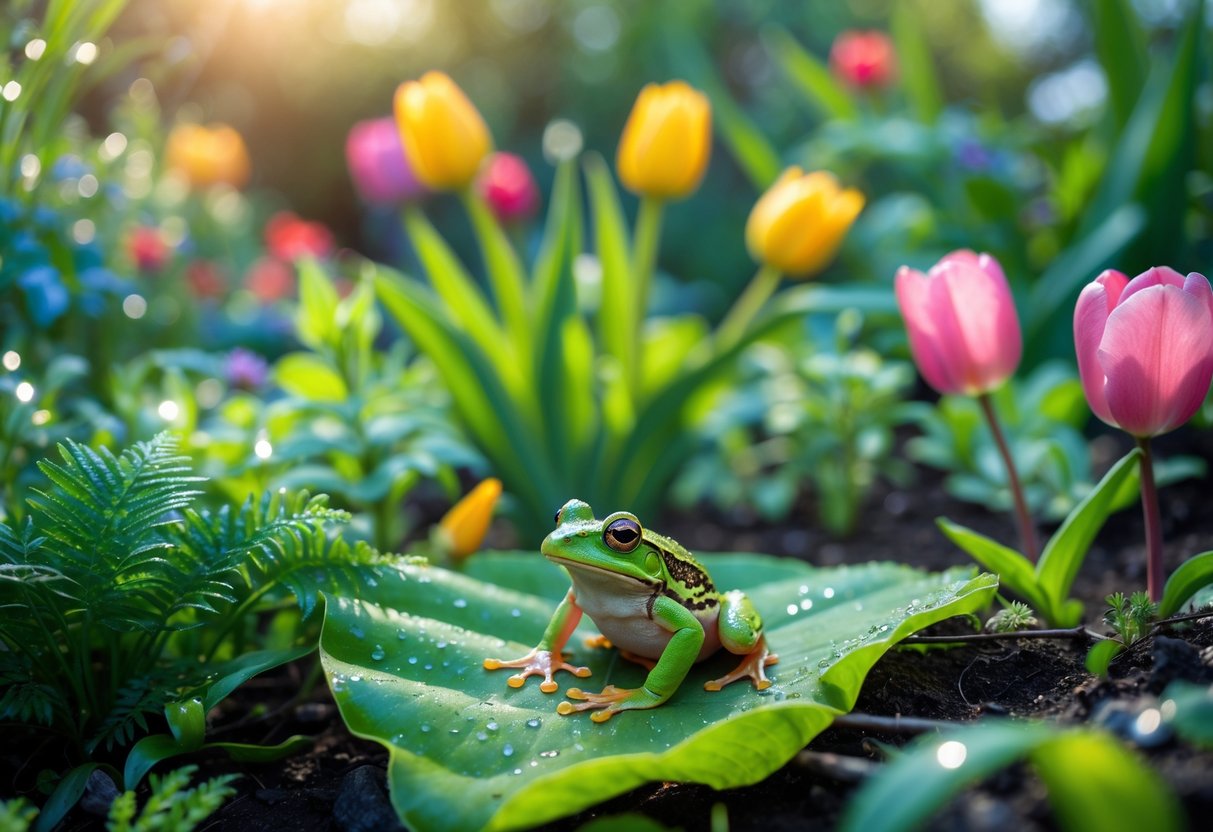
If you’ve got a pond, puddles, or just soggy soil, frogs will see your place as a five-star hotel. Bugs and plants offer them plenty to eat and places to tuck themselves away.
Knowing why frogs show up can help you decide if you want them to stick around or if you’d rather nudge them somewhere else.
Frogs don’t just wander in by accident—they actually play a part in your garden’s ecosystem. Sometimes, though, too many frogs can be a bit much for your plants.
If you want the details on why frogs like your garden and what it means for your outdoor space, keep reading. There’s more about this in the guide on why you might have frogs in your garden.
Key Reasons Frogs Are in Your Garden

Frogs usually show up because your garden gives them water, food, and safe places to hang out. These things help frogs and toads feel at home and make it through the seasons.
Moisture and Water Sources
Frogs and toads need water to stay healthy and to breed. If you’ve got a pond, birdbath, or just some damp soil, you’re basically rolling out the welcome mat for them.
Amphibians like the common frog show up at ponds in spring to lay eggs. If your garden has wet corners or shady, moist spots, frogs will love it.
Even without a big pond, little water features or moist compost heaps can keep amphibians hydrated. Water is super important for young frogs (froglets) as they move from water to land.
If you keep water sources clean and free of chemicals, you’ll probably see more frogs naturally.
Food Availability and Natural Pest Control
Frogs and toads are like little pest control experts. If your garden has loads of bugs, they’ll come for the buffet.
They eat insects like flies, slugs, and beetles, which helps keep pests in check without you needing sprays. This natural pest control makes life easier for your plants.
If you notice more frogs when bugs are out, especially at night, you’re not imagining things. Nighttime is when frogs hunt, since that’s when bugs are most active.
Bringing in frogs helps balance your garden and saves you some hassle.
Shelter, Hiding Spots, and Native Plants
Frogs need safe places to hide from predators and bad weather. Your garden can give them that with log piles, compost heaps, thick plants, or even space under sheds.
These hiding spots keep frogs safe during the day and through winter. If you plant native plants, you’ll help even more.
Native plants support local bugs, which means more food for frogs. They also make the kind of cover and humidity frogs and toads like.
By adding these things, you’ll make your garden a cozy place for amphibians all year.
If you want more on making your garden frog-friendly, check out Froglife’s frogs and toads in gardens advice.
Life Cycle and Behavior of Frogs in Gardens

Frogs in your garden go through a life cycle that includes eggs, tadpoles, and adult frogs. Their habits change with the seasons and depend on what your garden offers.
Some features in your garden make it easier for them to survive and grow.
Breeding, Spawn, and Tadpoles
Frogs usually breed in spring or early summer. You’ll spot clusters of eggs, called spawn, floating on or just under still water like ponds or birdbaths.
These eggs hatch into tadpoles in just days or weeks. Tadpoles live underwater and eat algae and tiny plants.
As they grow, tadpoles develop legs and lose their tails, getting ready to leave the water. This whole change might take several weeks.
Clean, still water with some plants gives them a safe place to grow. Once tadpoles turn into little froglets, they move onto moist soil or shady garden spots and start eating small bugs to get stronger.
Movement Patterns and Migration
Adult frogs mostly come out at night to hunt insects. During the day, they hide in damp, cool places like leaf litter or under plants.
Some frogs move between water and land in your garden, looking for food, mates, or a safe place to rest. If you have ponds or wet areas, frogs will return there to breed.
When it gets cold, frogs hibernate in soil or under debris to survive the winter. Your garden’s natural hiding spots can be just right for this.
Frog-Friendly Garden Features
You can turn your garden into a cozy spot for frogs just by adding some water, shelter, and good food.
Here’s what frogs really like in a garden:
- A pond or even just a shallow dish of water with sloped edges so they can get in and out easily
- Thick plants and shrubs where they can hide from the sun and predators
- A layer of leaf litter or mulch that keeps the ground damp and cool
- Plenty of insects—mosquitoes, flies, beetles, you name it—for them to snack on
Try to skip the pesticides and harsh chemicals, since those can really hurt frogs.
If you set up these basics, you’ll help frogs at every stage of their lives, from tiny eggs to hopping adults.
Want more ideas? Check out some frog-friendly garden tips and see what works for your space.


