
Ever wondered when frogs come out to play? The answer might not be what you expect. Most frogs get really active at night, especially from dusk until dawn. They take advantage of the cooler, more humid air and dodge a lot of predators this way.
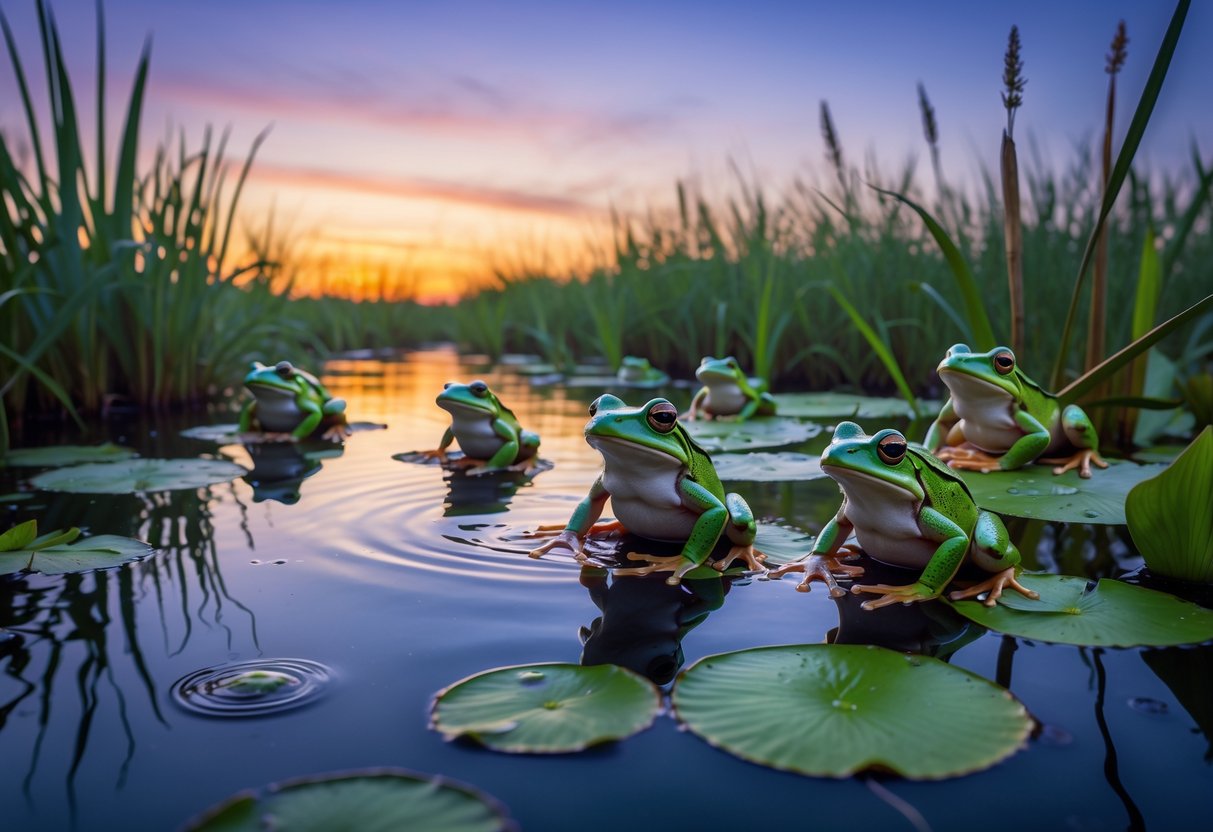
During the day, frogs usually hide under leaves, logs, or stick close to water. They do this to keep cool and avoid drying out.
But once the sun goes down, you’ll hear their chorus start up. That’s when they hunt for food, call to mates, and explore their surroundings.
If you want to spot these fascinating little creatures, knowing their habits helps a lot. You might even catch a glimpse in your backyard or on a walk if you time it right.
When Are Frogs Most Active?
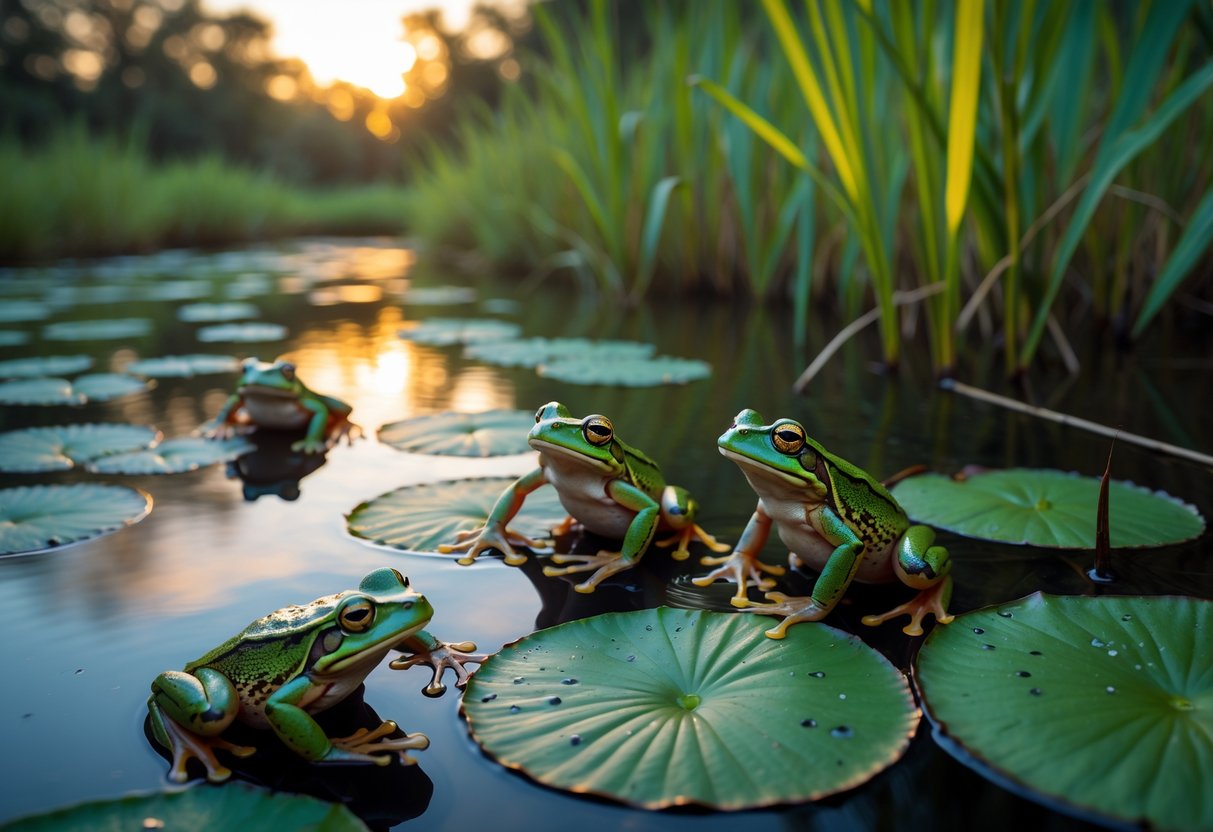
Frog activity changes depending on their species, the time of day, and even the season. Where they live also matters quite a bit.
So, if you want to spot frogs, it helps to know their patterns.
Peak Times for Frog Activity
Most frogs really wake up after sunset and before sunrise. They hunt, call, and mate mostly from dusk until about 3 or 4 AM.
Cooler temperatures and higher humidity during these hours help frogs keep their skin moist.
Some frogs are crepuscular—they’re most active at dawn and dusk when the light is low. This helps them avoid the hottest, driest parts of the day.
Frogs rely on moisture, so you’ll hear them more on humid nights. Their croaks carry far when the air is damp.
Nocturnal Versus Diurnal Frog Species
Most frogs act as nocturnal creatures. They hide during the day to avoid predators and only come out at night.
Frogs use camouflage and rest on leaves, under logs, or in mud to stay safe.
But some frogs, like the bright poison dart frogs, are diurnal. They move around during the day because their colors warn off predators.
These day-active frogs usually live in humid tropical forests where the air stays wet enough for them, even in sunlight.
Seasonal Differences: Spring, Summer, and Fall
The season plays a huge role in frog activity. In spring, warmer weather wakes frogs up and kicks off their breeding season.
You’ll hear a lot of croaking near ponds and wetlands during this time.
In summer, frogs stay active unless it gets too hot or dry. When that happens, they hide in shady, damp spots or burrow underground to keep from drying out.
By fall, frogs start getting ready for colder weather. Some slow down and search for places to hibernate, like mud or leaf piles near water.
As temperatures drop, you’ll see fewer frogs out and about.
Common Habitats and Active Locations
Frogs mostly hang out near wetlands, ponds, and streams. They need water to keep their skin moist.
You’ll find them on lily pads, under rocks, or close to logs.
At night, check the edges of water for frogs hunting insects. During the day, they hide in leaf litter or mud to avoid dry air and predators.
If you know where and when to look, you’ll have a much better shot at spotting frogs in their element. Their calls can echo through the night, especially near wetlands.
Key Reasons Frogs Are Active at Night

Frogs really come alive at night because their bodies and habits just work better then. Cooler air, more humidity, food, and safety all line up to make nighttime their prime time.
Temperature and Humidity Influences
At night, the air cools down and gets more humid. Frogs need this because they breathe through their skin, which has to stay moist.
Hot, dry days make it tough for frogs to keep their skin wet, so they hide out and stay quiet.
Rain or damp nights raise humidity, so you’ll spot more frogs near ponds or streams. When temperatures drop and humidity climbs, frogs can breathe and move around without drying out.
That’s usually when you hear their croaks, especially during or right after rain.
Feeding and Hunting Behavior
Most of the insects frogs eat also get active at night. If you watch frogs after dark, you’ll see them hunting bugs that come out in the cooler air.
Frogs use the darkness to sneak up on prey like moths, flies, and beetles.
Since their eyes work well in low light, frogs can spot moving insects better at night. Their hunting times match up with when their food is out, so nighttime just works best for them.
Avoiding Predators and Using Night Vision
When the sun’s out, lots of animals that eat frogs are on the move. Daylight just isn’t a great time for frogs—too risky.
But at night? Most predators seem to settle down, so frogs finally get a break. They can hop around, look for mates, and not worry quite as much about becoming someone else’s dinner.
Frogs actually see surprisingly well in the dark. Their night vision lets them pick up colors and movement even when it’s pretty dim.
You might not realize it, but that’s a big reason they’re out after sunset. Frogs can spot danger before it gets too close, so they stay safer while still doing their thing.
Curious to know more? Check out this article on frogs being nocturnal.


