
If frogs keep showing up where you don’t want them, figuring out what smells they hate can really help. Frogs can’t stand strong scents like vinegar, citrus peels, garlic, peppermint, and eucalyptus. These smells irritate their sensitive skin and make your place less appealing.
You don’t have to hurt them or your garden—just use these scents to gently nudge frogs to move along.
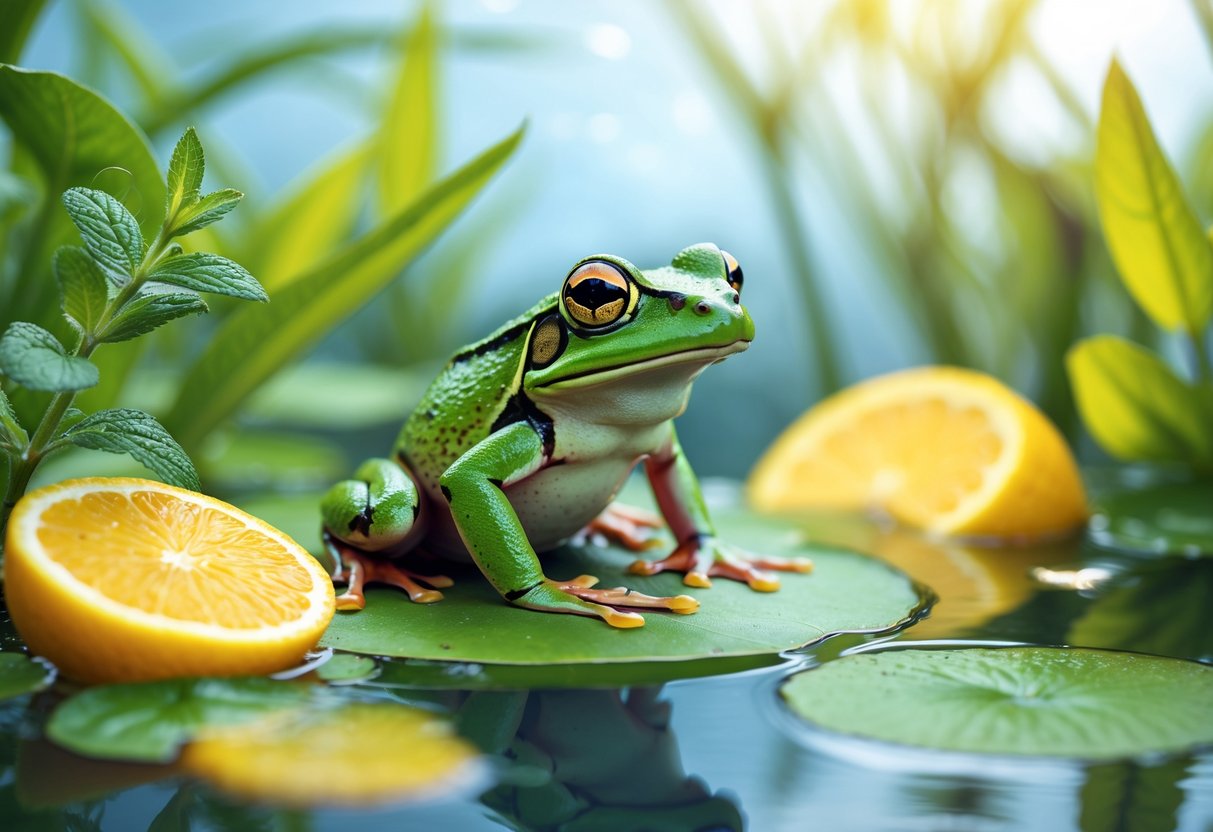
Honestly, it’s kind of surprising how stuff from your kitchen or garden works as a natural frog repellent. Try scattering citrus peels, spraying diluted vinegar, or leaving cotton balls soaked in essential oils around your yard.
These smells set up invisible boundaries. Frogs usually decide it’s not worth crossing.
If you’re hoping to keep frogs off your porch, patio, or garden beds without using chemicals, knowing what they dislike gives you a safe, simple solution.
Let’s check out the top smells frogs hate and how you can use them to protect your outdoor spaces.
Smells That Frogs Hate Most
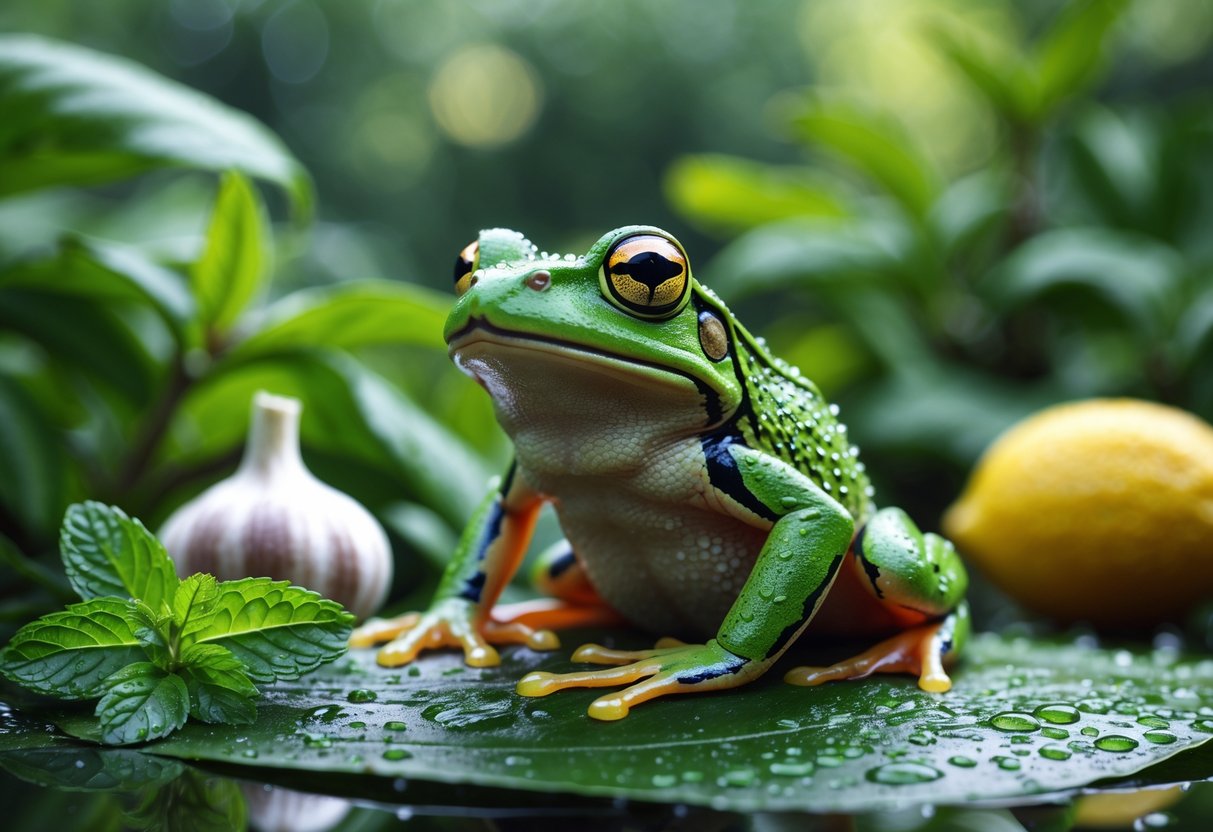
Certain strong smells keep frogs away, and you don’t have to hurt them to do it. Their skin and senses react pretty strongly to these scents.
You probably already have some of these natural options at home.
Vinegar and Acidic Odors
Vinegar works well because its acidity bothers frogs’ sensitive skin. Frogs absorb things through their skin, so the sharp smell of vinegar gets to them fast.
Mix equal parts white vinegar and water in a spray bottle. Spray this around patios, garden beds, or ponds where frogs show up.
Don’t spray it right on delicate plants, though—the acid can brown the leaves.
Spray again every few days to keep it fresh. This simple mix creates a line that frogs usually won’t cross.
Citronella and Strong Citrus Scents
Frogs really dislike the oils in citrus fruits like lemons, oranges, and grapefruit. These oils soak into their skin and make them uncomfortable.
Try scattering fresh citrus peels where frogs hang out. Bonus: the smell also keeps mosquitoes away.
Citronella, whether in candles or oils, puts out a scent frogs avoid too. Planting citronella or using its oils near your garden or porch can help keep your space peaceful.
Coffee Grounds as a Frog Deterrent
Used coffee grounds work great if you have some on hand. The caffeine irritates frogs and the rough texture isn’t pleasant for them to walk on.
Sprinkle coffee grounds around garden edges or near water features. Frogs usually won’t want to cross that barrier.
Plus, coffee grounds add nitrogen to the soil, which helps your plants. Remember to refresh the grounds, especially after it rains, so the effect lasts.
Rue, Garlic, and Other Pungent Plants
Rue and garlic give off strong smells that frogs just can’t stand. Garlic’s sulfur compounds really irritate frog skin and senses.
Crush garlic cloves and soak them in water to make a spray for garden edges or steps. Apply again after rain to keep it working.
You can also plant rue to help repel frogs and other pests. Its bitter scent acts as a gentle deterrent, and it looks nice in the garden too.
These pungent plants offer easy, natural ways to keep frogs at a distance.
Natural Methods to Keep Frogs Away
You can use simple, natural tricks to keep frogs from sticking around your yard or home. Some plants and household items give off scents frogs just don’t like.
You can also change up your yard care routine to make the area less cozy for them.
Plant-Based Frog Repellents
Some plants naturally repel frogs. Try planting lemongrass, mint, or marigolds.
These plants put out smells that bother frog skin and senses, making the area less inviting.
Place these plants near doors, ponds, or porches to build a natural barrier. They look nice and add pleasant scents, too.
Arrange pots or garden beds with these plants wherever frogs tend to show up. This method is gentle and safe for both your garden and the frogs.
Household Items That Repel Amphibians
Everyday household items can help keep frogs away. Vinegar and citrus peels like orange or lemon give off strong odors that frogs avoid.
Spray a mix of vinegar and water around areas where frogs gather.
You can also use coffee grounds, garlic spray, and cinnamon. Coffee grounds irritate frog skin and make the ground rough. Garlic and cinnamon oils overwhelm frogs’ senses.
Be careful using these around your plants—avoid spraying acidic or spicy stuff right on sensitive leaves. Refresh sprays or add new materials often so the effect doesn’t fade.
Preventive Tips for Tree Frogs
Tree frogs can be pretty sensitive to changes around them. Even small tweaks help keep them away.
Try to get rid of standing water, since frogs need it to stay moist and breed. Fix any leaky pipes you spot, or just empty out birdbaths every so often.
Keep your grass trimmed short. Frogs love tall grass and damp, messy spots, so clearing out leaf piles really helps.
You might want to try cotton balls soaked with peppermint or eucalyptus oil. Stick them near windows or doorways, and that scent makes a pretty decent barrier.
Seal up any cracks or gaps in your home’s foundation. That way, frogs have a much harder time sneaking in.
All these steps make your yard less inviting to tree frogs, and you won’t hurt them or anything else living nearby.
Curious about more natural repellents? Take a look at this guide on effective scents to keep frogs and toads away from your space.


