
Ever wondered if frogs can actually cry like we do? Maybe you picture a little frog with watery eyes, but the reality is a bit different. Frogs don’t cry by shedding tears—they just don’t have the glands for it. Still, that doesn’t mean they can’t show pain or distress in their own way.
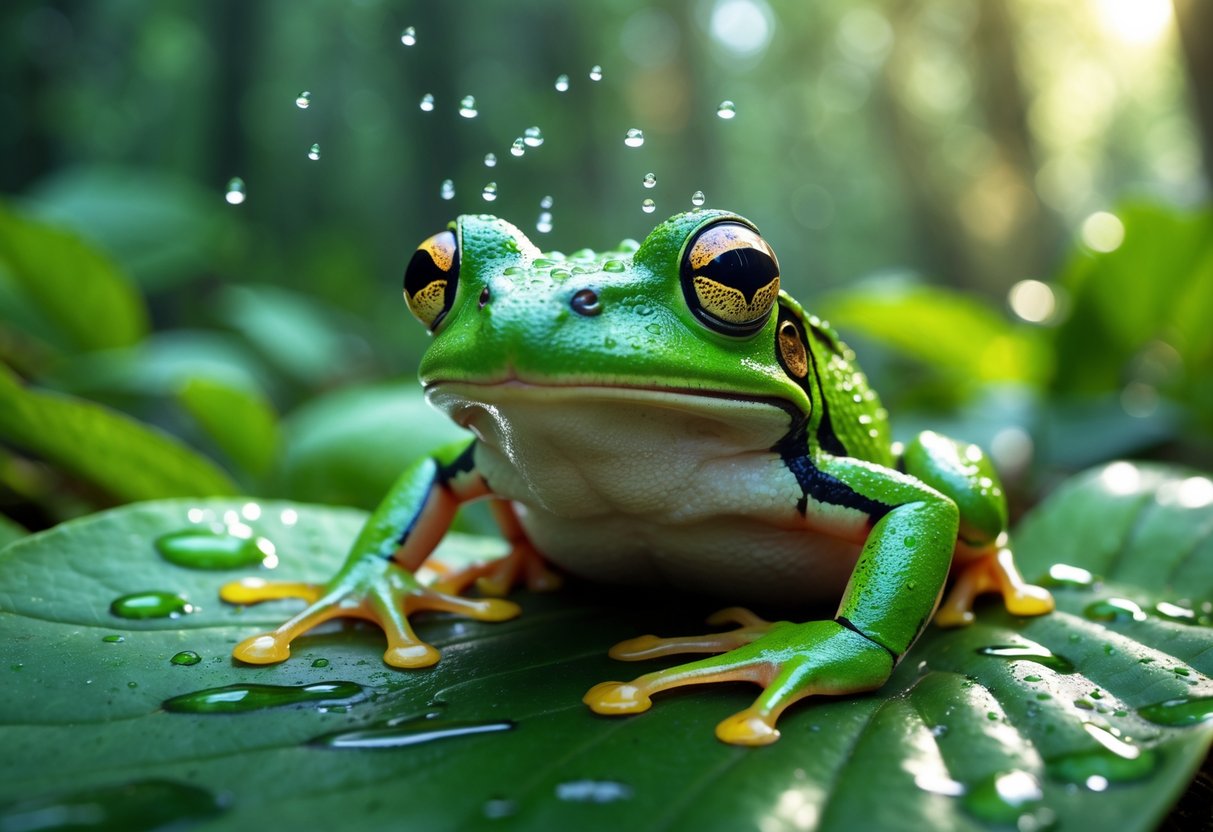
Instead of tears, frogs let out loud, high-pitched sounds when they’re scared, hurt, or in danger. These noises warn other frogs or sometimes confuse predators, giving the frog a shot at getting away.
Frogs might also ooze fluids from their skin, but that’s more about defense than anything emotional. If you’ve ever heard a frog scream, you’ve basically heard their version of crying.
It’s kind of fascinating, isn’t it? Frogs rely on sounds and behaviors—not tears—to get their feelings across.
Do Frogs Cry? The Science Behind Frog Crying

Frogs can’t cry like people do because they lack tear glands. They express feelings like pain or fear by making sounds and changing how they act.
These signals let other frogs know something’s wrong or help protect them from danger.
How Frogs Express Crying
When frogs feel pain, fear, or stress, they make loud, high-pitched distress calls. These calls don’t come with tears but serve as vocal warnings to other frogs nearby.
The sounds might even confuse predators, giving frogs a slim chance to escape. You might catch them hiding, freezing up, or making odd noises.
These behaviors, along with their calls, show discomfort or fear—no tears needed.
Distress Calls Versus Tears
Frogs don’t have tear glands like mammals, so they can’t shed tears. Sometimes, you’ll see secretions on their skin, but those aren’t tears—they help make the frog slippery or even toxic to predators.
So what looks like crying is really just a mix of sounds and skin secretions. Frogs use these tricks to survive and warn others, not to show emotion like we do.
Species Differences: The Common Frog and Others
Different frog species have their own ways to signal distress. For example, the common frog (Rana temporaria) belts out loud croaks and screams as a warning.
Leaf litter frogs can even make ultrasonic screams that we can’t hear, but predators sure can. If you know what species you’re looking at, you’ll have a better idea of what their sounds mean.
Some frogs really do sound like they’re crying, while others keep quiet but still react to threats in their own way.
Frog Emotions and Behavior

Frogs show stress, pain, and discomfort through their actions and noises. Even though they don’t cry like us, their behavior can tell you a lot about what they’re feeling.
If you pay attention, you’ll get better at caring for frogs and respecting what they need.
Signs of Stress and Fear
When frogs get stressed or scared, they often get loud. You might hear sharp distress calls or croaks that warn others about danger.
A stressed frog might try to hide or freeze in place. Sometimes, it even changes color to blend in, a clear sign of fear.
Try not to handle frogs too much—it just adds to their stress. You might also notice they jump away fast or stop eating when they’re scared.
Watching for these clues helps you figure out when a frog is uncomfortable and needs a break.
Understanding Frog Pain and Responses
Frogs definitely feel pain, but they don’t cry about it. If a frog’s eye or skin gets hurt, it might produce more secretions to clean and protect the area.
Pain can make frogs go quiet or become less active. You might spot changes in their breathing or how they move.
Instead of showing emotion with tears, frogs use physical signs to deal with pain. If you notice these things, check for injuries or illness.
Giving frogs a calm, safe place makes a huge difference when they need to heal or just feel secure.
Do Frogs Like to Be Held?
Most frogs really don’t enjoy being held. When you touch them, they might get stressed or even scared since they’re so sensitive to handling.
Their skin is delicate and soaks up whatever’s on your hands. If you squeeze a frog too hard, you could hurt it. So, it’s honestly best to handle frogs only when you have to, and always as gently as possible.
If your frog starts croaking loudly or desperately tries to jump away, it’s probably not happy about being picked up. Giving them space and letting them stay hands-free keeps them calmer and healthier.
Curious about how frogs show distress through their behaviors and sounds? Check out Clever Pet Owners.


