
So, what do frogs actually like? If you’ve ever wondered, you’re definitely not alone. Frogs seem to love places that keep them damp and protected from things that might eat them.
They hang out in spots with water, lots of plants, and, of course, plenty of bugs to munch on.
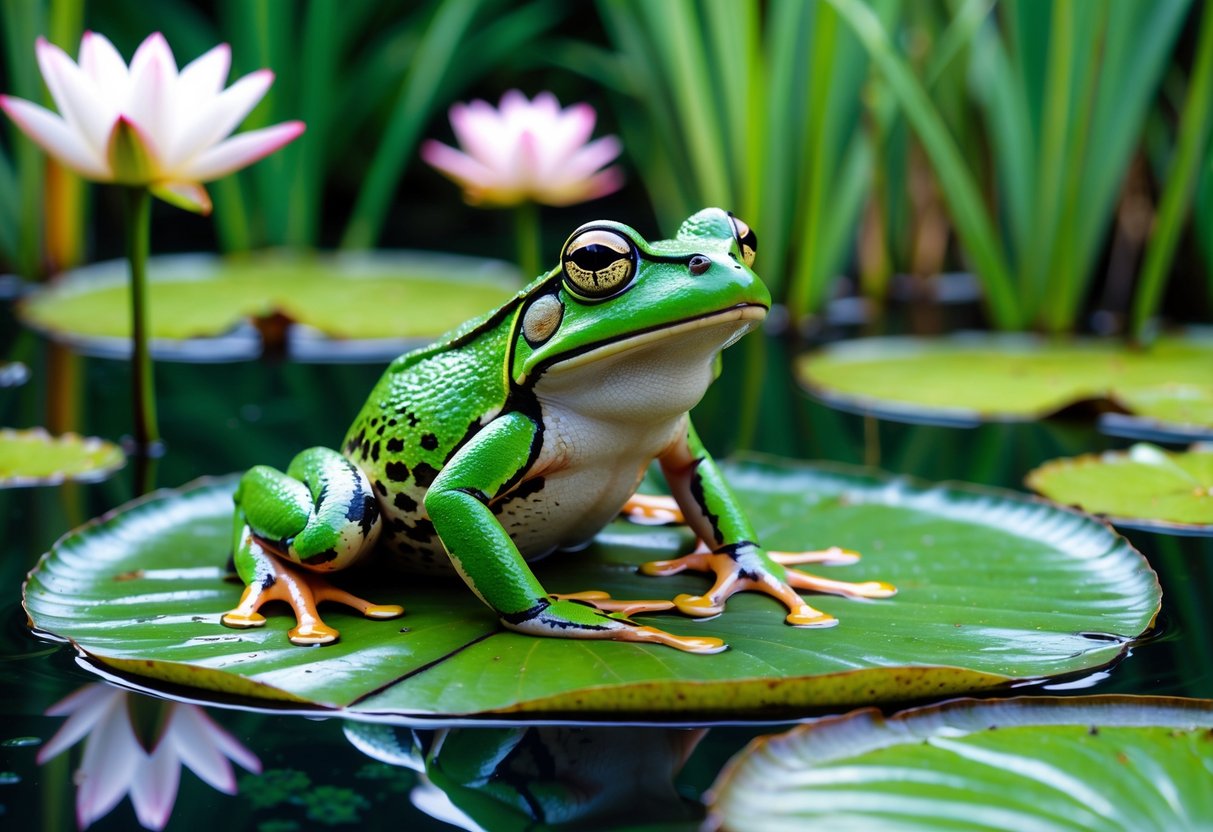
Frogs mostly want a habitat packed with insects and clean, fresh water to drink. They also seek out shady hiding places—under leaves, behind rocks, wherever they can feel safe and just chill out.
If you’ve got a pet frog, you’ll see they go wild for crickets, worms, and other little bugs. Once you get what frogs like, you can make their lives a whole lot better, whether you’re watching them outside or keeping them at home.
What Frogs Like to Eat

Frogs usually eat whatever small animals and insects they can catch. Their diets shift based on their size, species, and where they live.
You’ll notice that frogs go for live prey. Moving bugs trigger their hunting instincts—it’s just how they roll.
Favorite Insect Prey
Most frogs really love insects like crickets, ants, beetles, and grasshoppers. These bugs are packed with protein and fat, which frogs need to grow and stay healthy.
Tiny frogs, like the golden poison frog or glass frog, go for small snacks like fruit flies and springtails—anything that fits in their mouths.
If you keep frogs as pets, you can offer mealworms and waxworms. These worms bring in extra calcium and phosphorus, which keep frog bones in good shape.
Some frogs snack on mosquito larvae for a protein boost. Bigger frogs, like bullfrogs or African dwarf frogs, might even eat small fish or other amphibians.
Diet Differences by Species
Different frog species eat different things. Take African dwarf frogs—they live in water and eat snails, tiny fish, and aquatic insects.
They don’t use their tongues much; instead, they just grab food in the water. Land frogs, though, stick their tongues out to grab insects.
Small frogs like poison dart frogs stick to tiny insects, especially ants and beetles. Their diet even gives them toxins.
Big frogs, like bullfrogs, can eat smaller frogs, mice, or even tiny birds. Tadpoles don’t chase bugs at first; most eat algae or dead plants, but some turn carnivorous as they grow.
Feeding Habits in the Wild
In the wild, frogs do most of their hunting at night or when it’s damp outside. They either sit and wait or quietly sneak up on their prey.
You’ll see their eyes poking up from the water so they can spot food without being seen. Frogs shoot out their long, sticky tongues super fast to grab bugs.
They open their mouths wide and swallow insects whole. Some, like poison dart frogs, even use their tongues to poison their food before eating.
Frogs eat anything that fits in their mouths and moves fast enough to catch their attention. They play a huge part in keeping insect populations under control.
Frogs’ Favorite Habitats and Living Conditions

Frogs turn up in all sorts of places, but they need a few basics to do well. They look for water, safe places to hide, and enough food around.
You’ll find frogs in tropical rainforests, wetlands, and even deserts. Their homes can be pretty different, but each one matters for their survival.
Where Frogs Thrive Best
Frogs thrive in damp spots like wetlands, ponds, and rainforests. These places give them water for laying eggs and the humidity they need to breathe through their skin.
Tropical rainforests are packed with frog species, from the flashy red-eyed tree frog to the tiny paedophryne amauensis—the world’s smallest frog.
Some frogs, like the desert rain frog, survive in dry places by burrowing underground where it’s damp. True frogs and toads often hang out near water, while wood frogs can handle colder mountain areas by freezing and thawing as the seasons change.
How Frogs Interact With Their Environment
Frogs use their world in surprisingly clever ways. Their webbed feet help them zip through the water, and their bumpy skin or bright colors help them hide or warn off predators.
Tree frogs often live up in plants or trees, using leaves and branches for shelter and as hunting grounds.
Sometimes, frogs pick odd spots like under logs or inside hollow trees. These little hideouts protect their eggs and young from predators and rough weather.
Frogs react quickly to pollution or changes in their environment, so they’ve become important clues for scientists watching the health of nature.
Effects of Habitat Changes on Frogs
When local frogs lose their habitats, the impact hits hard. Deforestation, pollution, and climate change wipe out wetland areas and rainforests where so many frog species try to survive.
You’ll see this especially with frogs like the goliath frog. They really need big, untouched forests. Amphibians that react badly to water pollution also struggle to cope.
When habitats shrink, frogs lose breeding sites and have a tougher time finding food. Rising temperatures, weird rain patterns, and new diseases pile on even more problems.
If we protect wetlands and forests, we give frogs a fighting chance. Plus, healthy habitats mean you might still hear frogs calling at night or spot them on a walk.
Curious about where frogs live and what they need? Check out this guide to frog habitats and survival.


