
Ever catch a frog staring at you and wonder if it actually sees you? Yep, frogs do see you, but their vision isn’t anything like ours. Their eyes are designed to pick up what matters most—food, danger, movement—not the little details like your nose or your smile.
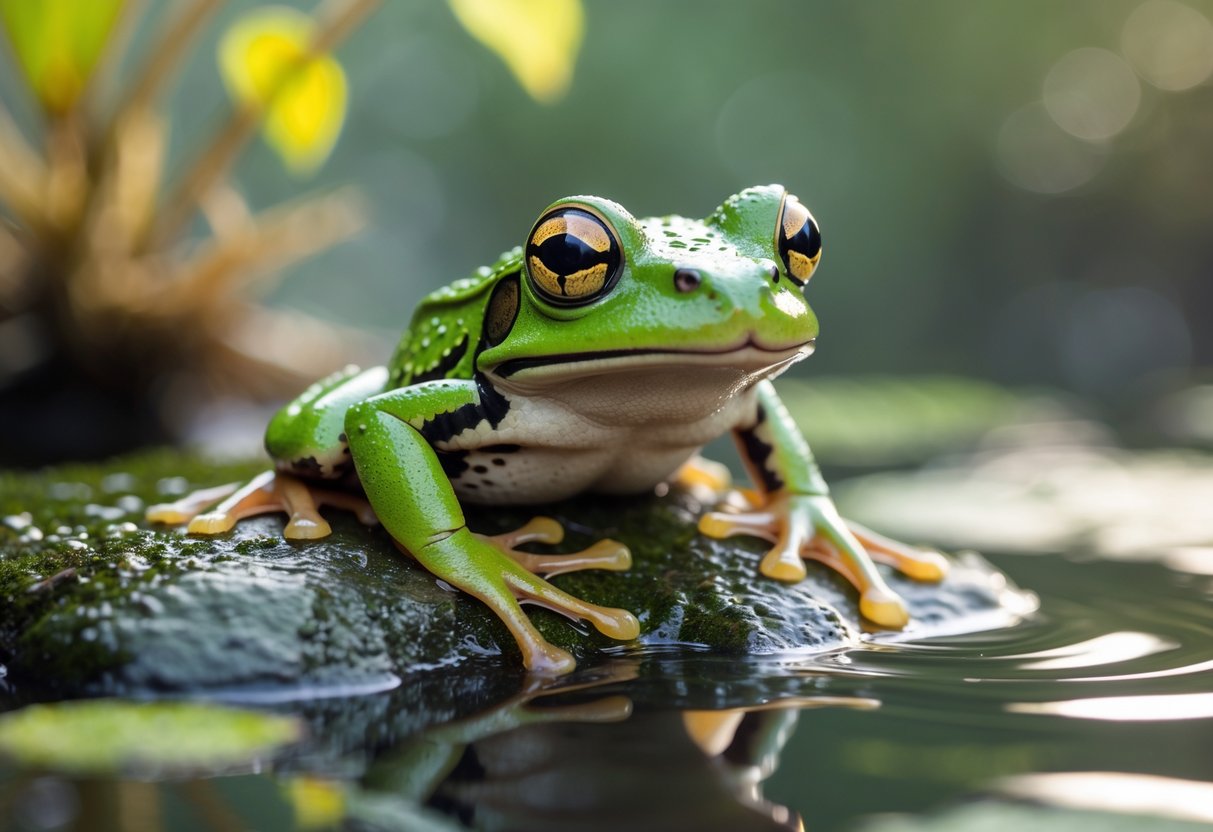
Frogs have these cool eyes that switch between water and land pretty easily. They pick up movement and colors in their environment, especially blues and greens. Reds? Not so much. So, the way a frog sees you really depends on where you are and how the light hits.
It’s kind of fascinating—understanding how frogs see the world gives you a new reason to appreciate these little guys. Their whole experience is just so different from ours.
Ever wondered what a frog actually sees when it looks at you? Let’s break it down in simple terms. You’ll get a peek into what makes their vision unique and why it’s such a big deal for their survival.
How Frogs See Humans and Their Environment
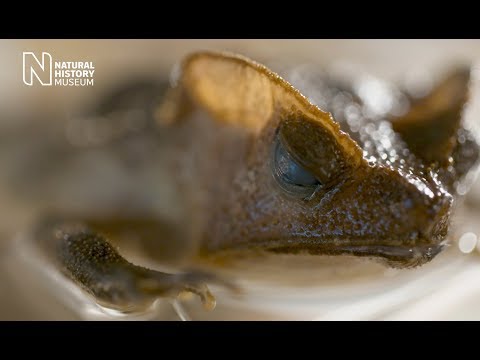
Frogs use their eyes to spot shapes, colors, and—most importantly—movement. Their sight helps them find food, dodge danger, and just deal with whatever’s happening around them.
Their vision really focuses on the stuff that keeps them alive, not on seeing the world in high-def like we do.
Visual Abilities of Frogs
Frogs and toads can pick up on colors and even ultraviolet light. That’s a big help for spotting bugs or predators, even when it’s pretty dark out.
Their eyes have rods and cones, just like ours, but rods do most of the work since frogs are out and about when it’s dim.
They track fast-moving things well—super handy when you’re chasing insects. But if you’re hoping a frog sees your face clearly, forget it.
Their eyes care more about shapes and motion than sharp details.
Field of Vision and Perception
Frogs have those big, bulging eyes set on the sides of their heads. Thanks to that, they get almost a full 360-degree view around them.
They hardly need to turn their heads to keep an eye out for trouble.
This wide field of view lets them spot danger from almost any direction. The area right in front? That’s actually a bit of a blind spot and less detailed.
Their brains mash together what each eye sees to figure out how close something is. Maybe that’s why frogs jump away so fast when you get near—they’re not taking any chances.
Comparison With Human Vision
Human eyes and frog eyes? Totally different. We see sharp, colorful details right in front of us.
Frogs, though, have eyes built for seeing in the dark or underwater. We get all the details, but frogs pick up ultraviolet light and are way better at noticing quick movement, especially in low light.
So, when you’re watching a frog, remember—it’s not seeing you the way you see it. It’s on the lookout for motion and shapes, not your fancy shirt or your smile.
If you want to dive deeper, check out this visual system research.
Unique Features of Frog Eyesight

Frog eyesight stands out because it works well both day and night. Most people’s eyes don’t switch back and forth between color vision and low-light vision that easily, but frogs do it all the time.
They’ve got some unique structures in those eyes that help them adapt to wherever they end up.
Colour Vision and Night Vision
Frogs see a bunch of colors during the day. Their eyes have special cells that pick up on different kinds of light, so they can spot prey or predators when it’s bright out.
But what’s really wild? Frogs can see at night too.
They have a layer in their eyes called the tapetum lucidum. You don’t have this, but frogs do, and it reflects light inside the eye, making things brighter in the dark.
Thanks to this, frogs can spot shapes and movement even when it’s pretty much pitch black. This combo of color vision and night vision helps them get by, whether they’re swimming or hopping around on land.
Scientists like Almut Kelber from Lund University are digging into these features, trying to figure out how frogs balance all these visual tricks.
Role of the Retina and Visual Cells
The retina in a frog’s eye holds a pretty interesting mix of visual cells. You’ll find rods and cones there.
Cones let frogs see colors. Rods, on the other hand, pick up on dim light much better.
Frogs have something special going on with their retinas. They pack in extra rods that soak up blue light really well.
Because of this, frogs can spot movement or color even when it’s pretty dark out. Your eyes? They just don’t have as many rods, so seeing at night gets tricky.
Frogs rely on this unique retina setup to match their active lifestyle. Whether they’re hunting after dark or staying alert for predators, their eyes keep up.
They can flip from sharp daytime vision to solid night vision almost instantly. That’s a real advantage for them in all kinds of lighting.


