
Ever wondered if UK frogs need water? The short answer is yes—frogs here absolutely rely on water, but not in the way we do. Instead of drinking, they soak up moisture through their skin, which makes damp spots pretty much a must-have for their survival.
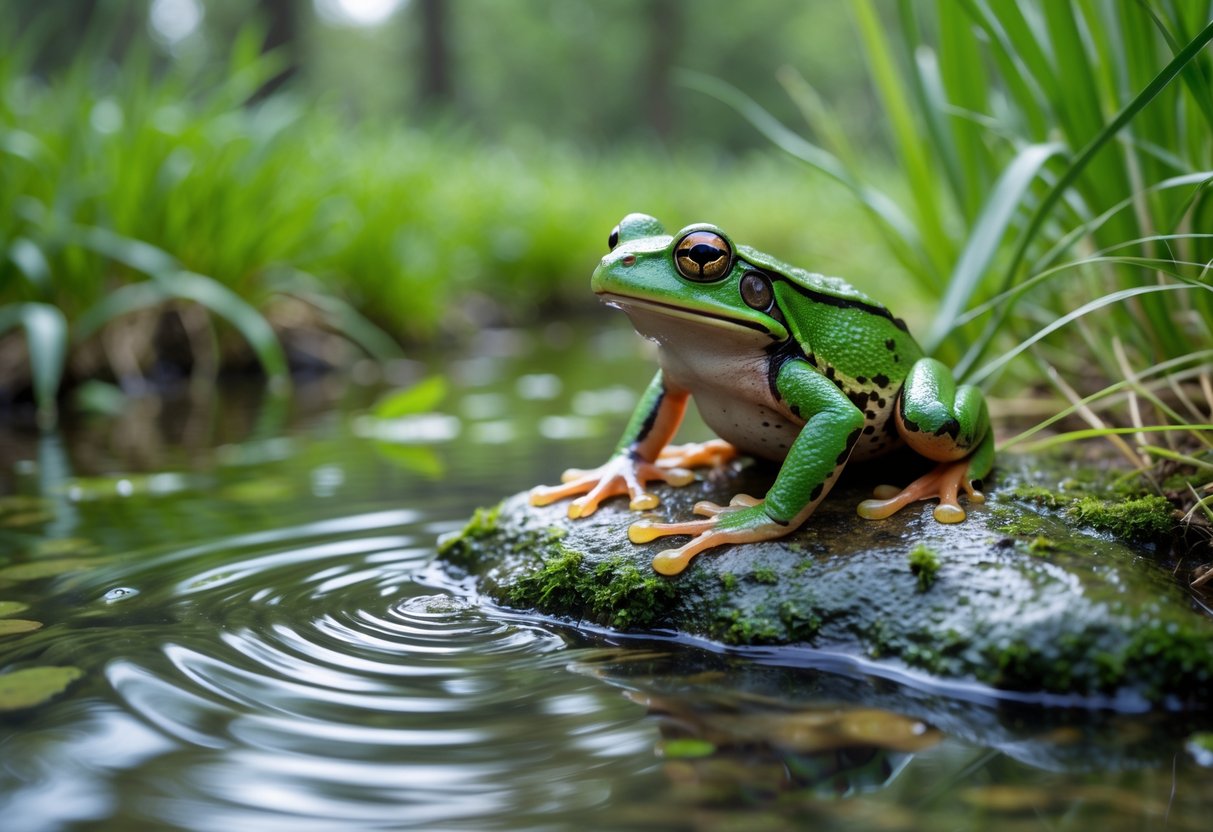
Water isn’t just about keeping frogs hydrated. It helps them breathe, cool off, and, of course, reproduce. If you’ve got a pond or you live near wetlands, you’re already helping frogs out by giving them access to clean, shallow water.
When you know how frogs use water, you can actually make your garden a little haven for them. Curious about what conditions really help UK frogs thrive? Let’s get into it.
Why UK Frogs Need Water

Frogs in the UK need water for just about everything. They use it to stay hydrated, cool, and to breed. The Common Frog (Rana temporaria) really can’t get by without it.
How Frogs Absorb Water Through Their Skin
UK frogs don’t drink water with their mouths like we do. Instead, they absorb it straight through their skin. Their skin is thin and moist, so water passes right in.
If their skin dries out, frogs lose water fast and get weak. That’s why you’ll often spot them hanging out by ponds or in damp corners of the garden.
Clean water matters because frogs can pick up nasty chemicals through their skin if the water’s polluted. It’s a bit worrying, honestly.
The Role of Water in Frog Reproduction
Water is critical when it comes to frog reproduction. Female Common Frogs lay their eggs in water during spring. The jelly around the eggs keeps them safe, but it needs to stay wet or the eggs will dry up and die.
Tadpoles hatch and spend their early lives swimming and breathing with gills. Water keeps the temperature steady, which helps them grow into froglets.
Adult frogs head back to the water every year to breed. It’s pretty clear—water shapes every stage of their lives.
Habitat Needs for Common Frogs
Common Frogs in the UK stick to watery places like ponds, ditches, and wetlands. These spots keep their skin moist and help them breathe.
They need clean water, too—pollution can really mess with their health.
Even when they wander onto land, frogs don’t stray far from damp areas. During hot or dry spells, they hide under logs or leaves where it’s still moist.
If you protect these watery habitats, you’ll help UK frog populations stay strong.
Want more info? Check out this article on frogs and water needs.
Providing the Right Environment for Frogs in the UK

Frogs in the UK need a mix of water, shelter, and food to do well. If you create spots with clean water, safe hiding places, and plenty of insects, you’ll give them a great place to live and breed.
The Importance of Garden Ponds
A garden pond is probably the best water source for frogs. They need still water to breed and lay eggs.
Try to make sure your pond has shallow areas—about 50mm to 300mm deep—where frog spawn and tadpoles can grow safely.
Add native pond plants like water lilies or reeds at different depths. These give frogs cover from predators.
Keep the pond big enough for frogs, but skip adding fish—they’ll eat tadpoles. A deeper zone (around 700mm to 1.2m) helps keep the water from freezing solid in winter.
Best Habitats: Woodland, Grassland, and Hedgerows
Woodland edges and grasslands offer frogs shady, damp places to hide. Dense groundcover and leaf litter make cool spots where their skin stays moist.
Hedgerows act as green corridors, letting frogs move safely between areas. If you plant native shrubs and thick grasses, you’ll help them out.
These habitats attract all sorts of frog food—flies, slugs, worms, and snails. Frogs especially need these during breeding when males use their nuptial pads to grip females.
Food Sources and Natural Predators
Frogs eat loads of insects, so grow a mix of wildflowers and dense plants to bring in their favorite snacks—flies, snails, and slugs.
Natural predators like herons, otters, snakes, and even cats can be a problem. Give frogs thick cover near water and in the garden, like piles of leaves or wood, to hide from danger.
If your garden supports plenty of prey, you won’t need to feed frogs yourself.
Threats: Water Pollution and Loss of Breeding Sites
Frogs face a big risk from water pollution. Pesticides, fertilizers, and all that garden run-off? These chemicals mess with both tadpoles and adult frogs.
Try using natural gardening methods. If you can, keep chemicals far from ponds.
When people fill in or drain ponds, frogs lose their breeding spots. Urban development and farming often break up frog populations by wiping out safe places for them to breed.
You can actually make a difference. Protect any ponds you already have, or even create new ones. Make sure frogs have safe ways to get around—think about how they’ll cross roads or avoid fences that block their path.


