
Frog eggs often stand for new beginnings, potential, and transformation. If you spot or dream about them, it usually means change and growth are on the way.
They remind you that even the smallest start could lead somewhere amazing. It’s a nudge to trust your own potential, even if things feel uncertain.

These tiny orbs also carry ideas of fertility, abundance, and nurturing. Just like frog eggs turn into tadpoles and then frogs, your ideas need care and patience to develop.
Noticing frog eggs might inspire you to nurture your dreams and face change with a bit more hope. It’s a gentle reminder to be patient with yourself.
Frog eggs also speak to community and protection. They grow in clusters, showing the strength that comes from connection.
When you see frog eggs, maybe it’s time to lean on your people and create a safe space for your own growth.
Want to dig deeper into what frog eggs might mean for your personal growth? Check out what do dreams about frog eggs mean for your personal growth and transformation.
What Do Frog Eggs Symbolize?

Frog eggs hold a lot of meaning tied to life’s natural cycles. They reflect themes of fresh starts, growth, and change.
Their journey from egg to adult frog shows how life keeps moving and transforming, even when you’re not looking.
Beginnings and Creation
Frog eggs are a clear sign of beginnings. When frogs lay their eggs, life gets a new start.
These small clusters in the water represent the very first stage of a journey. You might see them as a symbol of potential hiding in plain sight.
The process from egg to tadpole to frog shows how new ideas and projects start tiny but can become something strong.
Watching frog eggs reminds you that every big change begins with a small step. This can inspire you to value your own new beginnings.
Fertility and Abundance
Frog eggs also stand for fertility and abundance. A single frog can lay thousands of eggs at once.
This shows how life works in cycles of plenty. It means opportunities and growth can show up in big waves if you’re patient and nurturing.
Seeing frog eggs can remind you that your hard work might take time but could lead to big rewards. It’s a lot like planting seeds—the more you care, the more you get back.
This symbolism encourages you to notice the richness in your life, whether it’s ideas, friendships, or personal growth.
Potential and Transformation
The story of frog eggs is really about change and growth. Those fragile eggs will turn into tadpoles and then into frogs that live both in water and on land.
This shows how powerful transformation can be. Frog eggs tell you that no matter where you start, you can always grow and change.
Your current situation might feel small, but there’s potential inside waiting to develop. Holding onto this idea helps you trust yourself and your own journey.
Purity and Renewal
Frog eggs are often clear and delicate, and that connects to purity. They represent fresh starts that haven’t been shaped by outside forces yet.
When these eggs hatch, it’s a sign of renewal—a chance to start again with a clean slate. If you see frog eggs as a sign, it’s a reminder that renewal is part of life.
You can let go of what’s not working and welcome new growth. This cycle teaches you that starting over is healthy and natural.
If you want to read more about the spiritual meaning of frog eggs and their cycle of growth, visit Frog Eggs Spiritual Meaning.
The Science Behind Frog Eggs
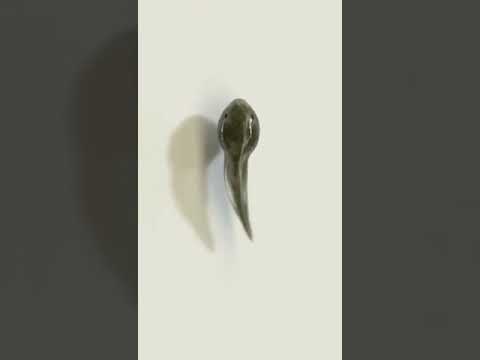
Frog eggs are pretty unique, honestly. They have special features that help them survive out there.
Their structure, how frogs fertilize them, and where they end up all show some wild adaptations.
You’ll also notice differences between frogspawn and toad eggs that highlight just how creative nature can get.
Egg Structure and Protection
Frog eggs feel soft and jelly-like, which keeps them moist and safe from drying out. Each egg has a jelly coating that cushions the growing embryo.
The jelly soaks up water, keeping the eggs hydrated. That’s key because frog eggs usually need water or very moist places to grow.
Inside that jelly, the eggs have a yolk, which feeds the developing tadpole. Without it, the young frog wouldn’t make it until it could eat on its own.
Reproduction and External Fertilization
Frogs use external fertilization. The female lays eggs first, and then the male releases sperm over them.
This happens during a process called amplexus, where the male holds onto the female to get the timing just right.
Since fertilization happens outside their bodies, the eggs need water or moist spots to survive.
Many amphibians use this method, but it means lots of eggs don’t make it because of predators or drying out.
Adaptations in Egg Laying
Frogs have figured out how to lay eggs in different places depending on where they live. Some lay eggs in water, while others—like certain tree frogs—lay eggs on land or leaves.
Tree frogs sometimes build foam nests to keep their eggs moist and safe from predators. These nests give the eggs both moisture and air.
Frogs like the American bullfrog lay huge batches of eggs in ponds. By laying so many, they boost the odds that at least some will survive, even if others get eaten.
Species Differences: Frogspawn vs Toad Eggs
Frogspawn shows up as clusters of frog eggs, usually floating in big, loose groups in the water. If you look closely, you’ll notice they’re shiny and kind of jelly-like.
The cluster spreads out the risk from predators, so not all the eggs get eaten at once.
Toads do things differently. They lay their eggs in long, stringy lines instead of clusters. The eggs still have a jelly coating, but the arrangement feels a bit more organized and, honestly, kind of strange if you haven’t seen it before.
Frogs and toads both need water for their eggs to develop. Still, the way they lay and protect their eggs just fits how each species tries to give its young the best shot.
If you’re curious about why tree frogs sometimes lay eggs on the ground, check out this explanation on tree frog egg-laying habits.


