
Ever wondered if your pet frog actually knows who you are? You’re definitely not alone. Frogs don’t have the same kind of smarts as dogs or cats, but they can still make simple connections with the people who look after them.
Frogs mostly recognize you by your voice, scent, and how you look—especially if you’re the one feeding or handling them a lot.
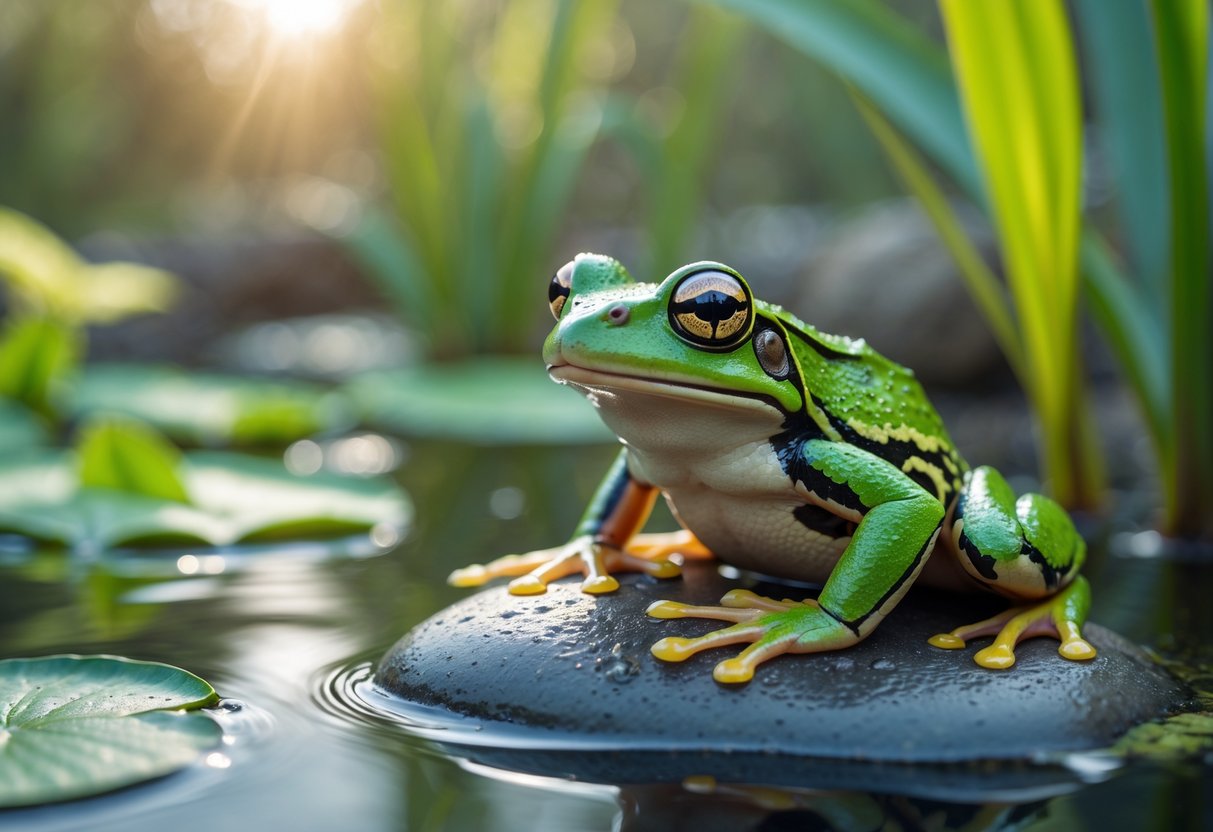
They might not get you like a cat or dog would, but they do notice familiar sounds and smells. Over time, your frog might act differently around you compared to strangers—just a basic kind of recognition that makes them feel a bit safer.
Knowing how your frog picks up on who you are can actually help you bond with them. Let’s look at how frogs might identify you and what that means for your relationship.
Do Frogs Recognize You?
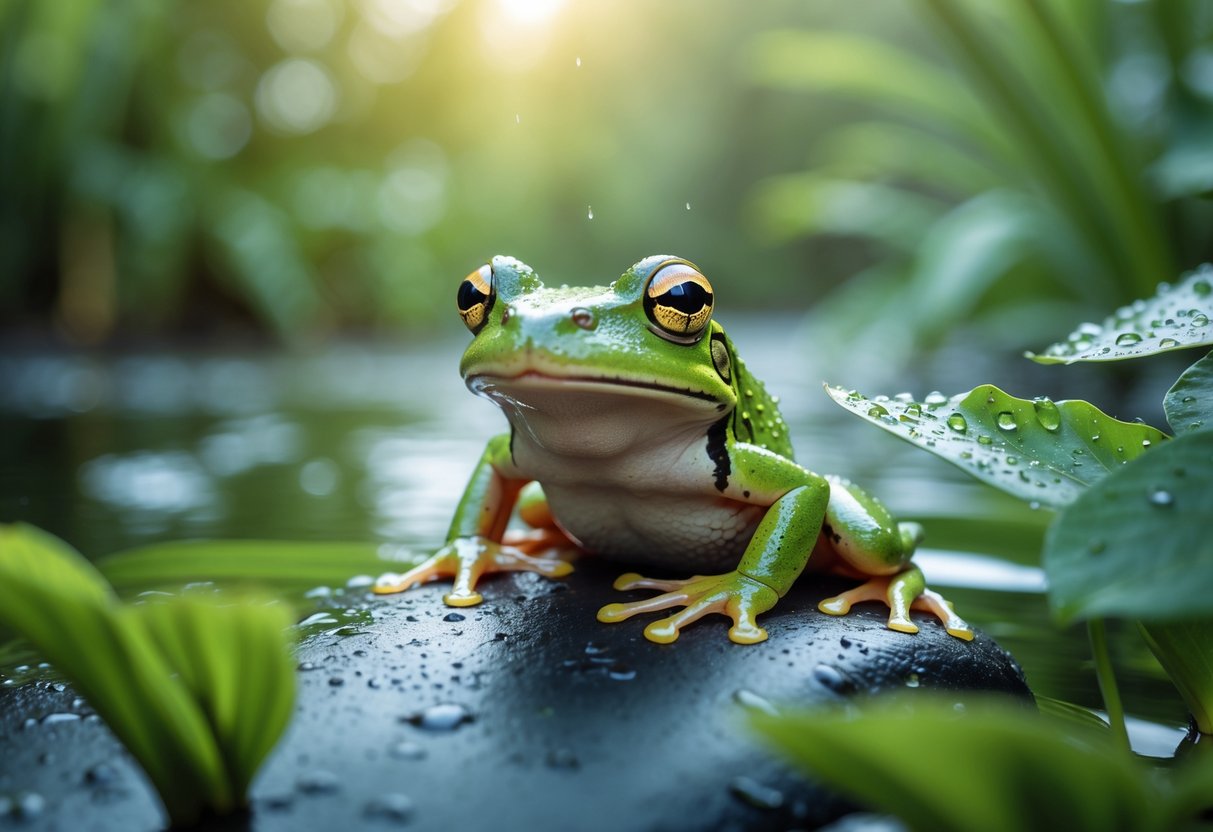
Frogs sense the world in their own way. They don’t process people like dogs or cats do. Instead, frogs react mostly to movement, sounds, and smells—especially if those things mean food or safety.
Sensory Perception in Frogs
Frogs really depend on their senses to survive. They use their eyes to spot movement and changes in light. Their vision catches shapes, but not details, so they see you more as a moving shape than as a specific person.
They pick up on sounds and can hear pitch and rhythm. This helps them recognize other frogs or spot danger. Your voice might register as a sound, but it’s not familiar to them like a dog would recognize a human’s voice.
Smell matters too. Frogs detect chemicals to find food or avoid threats. They might notice your scent, but it doesn’t mean they know you as “their person.”
Differences from Mammals and Birds
Frogs don’t have the kind of brains that let mammals or birds recognize faces or form strong bonds with people. They don’t really connect the idea of “you” as their owner.
You won’t see frogs greet you or come over for attention. They just don’t understand friendship or ownership the way we do.
Their behavior runs on instinct and survival, not social bonds. If your frog reacts to you, it’s probably because you mean food or you’re something to watch out for—not because they know you personally.
Feeding Cues and Learned Responses
Frogs can learn that you mean food’s coming. If you feed your frog a lot, it may come over or seem excited when you show up. That’s learned behavior, not true recognition.
Your frog might pick up on the sound of a food container or your hand moving. It’s really just a link between your actions and a reward.
Frogs also learn to associate calls from other frogs with certain things. So, the “recognition” you get is more about feeding habits than any personal connection.
For more details on how frogs respond to people, check out Can Frogs Recognize Their Owners? You Will Be Surprised.
Bonding, Memory, and Interaction with Frogs
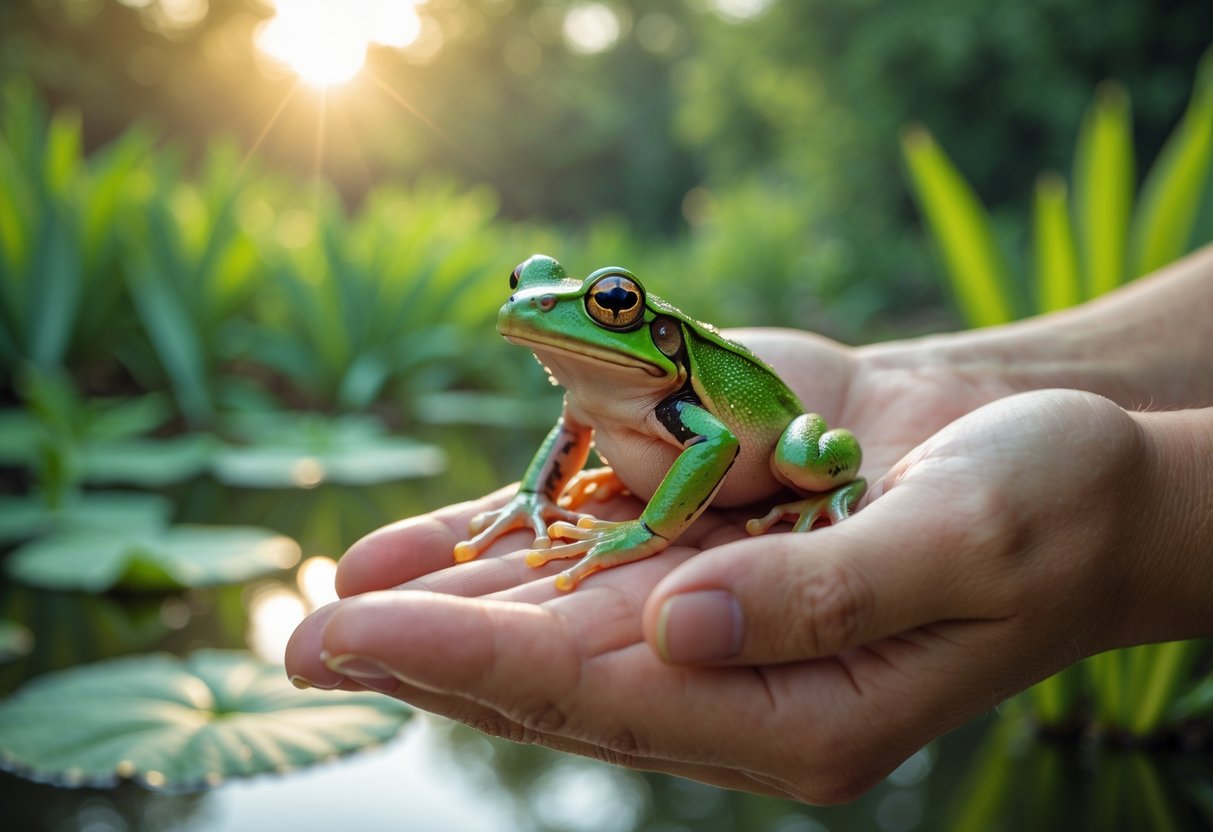
Frogs have pretty simple brains focused on survival. They won’t show feelings like cats or dogs do.
You might notice some behaviors tied to feeding or safety, though. Knowing what’s normal helps you look after them better.
Emotional Capacity and Social Behavior
Frogs live alone in the wild. They don’t form social groups or emotional bonds with others, including people.
Their brains just aren’t built for feelings like love or friendship. They react to movement, light, and vibrations—things that help them find food or get away from danger.
You can’t expect your frog to see you as a person, but they might learn to respond when you bring food.
Attachment and Trust with Humans
Frogs don’t really feel attachment, but they can get used to you if you feed them regularly. They associate you with food, not with friendship or trust.
Sometimes, your frog might move or show up when you approach. That’s instinct, not affection.
They don’t enjoy being handled and might see touch as a threat. So, it’s best to respect their space when you feed or care for them.
Best Practices for Interacting with Amphibians
Start by making sure your amphibian has a safe, stable environment. Stick to a feeding routine so your frog knows what to expect.
Try training your frog a bit—maybe time their meals or use tongs to get them interested in eating. That way, you can encourage feeding responses without much hassle.
Try not to handle your frog too much; it really stresses them out. Let them watch you from a distance instead.
Keep their habitat clean. Give them plenty of hiding spots so it feels more like the wild. When you do these things, your frog will probably feel safer and healthier, even if it doesn’t exactly become emotionally attached.
Read more about how pacman frogs recognize their owners on pac-manfrog.com.


